AI for Social Media Marketing: The Future of Digital Marketing
Introduction
The digital world is changing quickly, and the way people interact with brands is very different than before. Social media platforms now influence many buying decisions because people spend a lot of time online looking for products, reading reviews, and following brands. By 2026, customers expect businesses to be active on many platforms, respond quickly, and understand their preferences.
Managing all this manually has become very hard. Trends change fast, conversations spread quickly, and customer expectations keep rising. Because of this, many companies are using smart systems to support their digital efforts. These systems help analyze data, track trends, and respond to customer needs more quickly.
Technology is also changing how businesses create content, run ads, and provide customer service. Companies can now understand what their audience is doing, create personalized content, and improve their strategies using insights instead of guesswork. In today's busy online environment, businesses that use modern technology can grow more and connect better with their audience.
Role of AI in Marketing
AI helps companies understand how customers behave by looking at lots of data.
It finds patterns in online activity and shows what people are interested in. AI also helps detect trends early. Businesses can notice changes in what customers like before their competitors do, and then adjust their strategies quickly.
Customer support has improved because of AI. Automated chat systems can answer questions fast and help customers when they need it. Creating content is easier with AI because it can suggest captions, headlines, and ideas that match what the audience likes. AI can look at conversations about a brand online. This helps businesses know if customers feel good or bad about their products. Advertising works better with AI because it can change where ads are shown and how much is paid for them automatically to get better results.
Another advantage of AI is that it saves time. It handles tasks like collecting data and tracking performance. AI systems learn from new interactions all the time. Over time, they get better at predicting what customers want. AI also helps businesses spot problems quickly by noticing negative feedback early. Overall, AI works like a smart helper that helps companies make better decisions and improve their digital strategies.
7 AI Tips to Boost Your Social Media Marketing Success
- Use AI for Smart Content Creation ·
- Automate Social Media Scheduling
- Use AI Sentiment Analysis
- Personalize Your Content With AI Insights
- Enhance Social Listening Using AI
- Use AI Chatbots for Instant Customer Replies
- Analyze Performance With AI Analytics
Power of Social Media
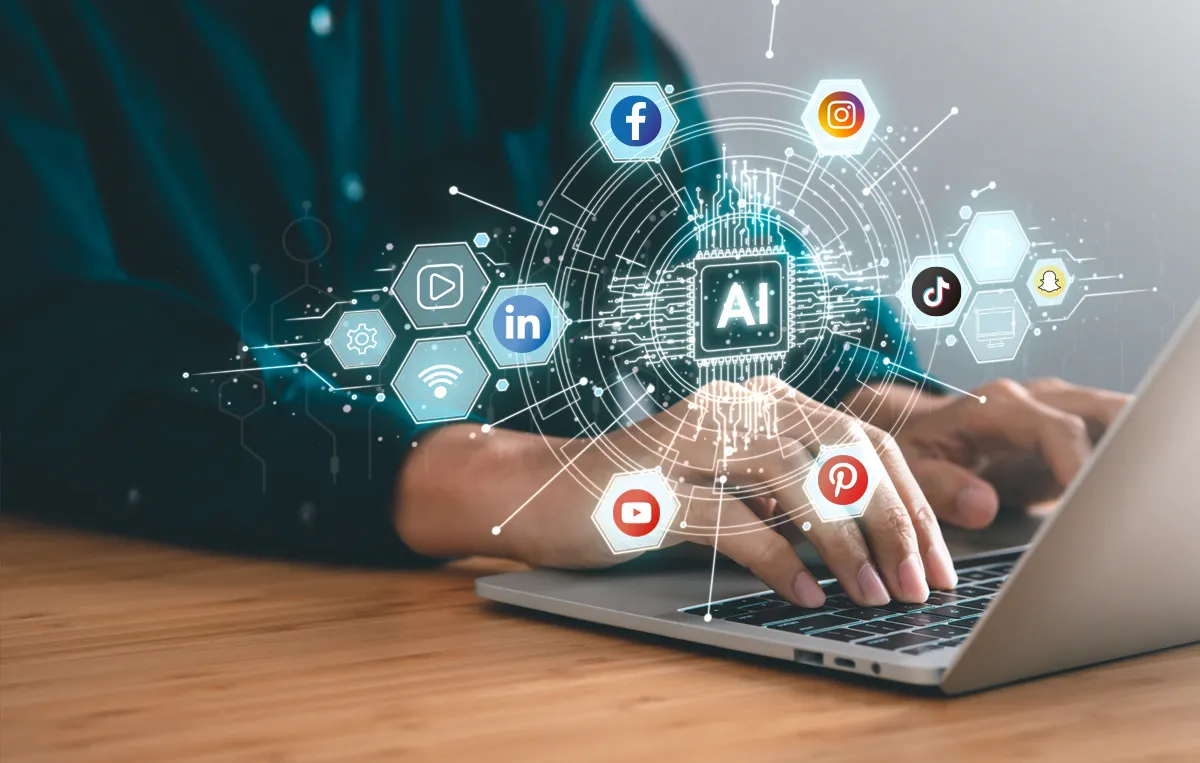
Social media platforms have become key places for brands to talk to their audience.
People often find new products through social media posts, reviews, and recommendations from influencers or friends. Each social media platform uses algorithms to decide which posts appear in users' feeds.
Understanding these algorithms helps businesses get more visibility on social media. Video content does well on social media because it grabs attention quickly.
Posting at the right time is important on social media because it increases engagement. Social media lets brands listen to what customers are saying through comments and messages.
When businesses reply quickly on social media, it builds trust and loyalty. Another benefit of social media is that it helps create communities where customers interact with brands. Brands that know about social media trends usually have stronger connections with their audience.
Modern Digital Marketing Strategies
Modern marketing focuses on understanding what customers need and providing useful solutions. Successful campaigns mix creativity with data insights to reach the right audience. Content is very important in marketing because helpful information attracts potential customers.
Marketing teams also use analytics to check how well campaigns are doing and improve results. Personalized messages work better because they connect with specific groups of people.
Marketing strategies must change quickly because customer preferences change often. Strong marketing builds long-term relationships with customers instead of just focusing on quick sales. Many marketing campaigns include a mix of content creation, advertising, and customer interaction. Constant communication is important in marketing because it helps people recognize a brand. When marketing decisions are based on data, businesses can reduce risks and get better results.
Choosing the Right Tool
A good tool helps businesses manage many digital activities from one place. Many companies use a tool to plan content and organize their campaigns. An effective tool also tracks how well different strategies are working. Teams in different locations can work together easily using an online tool.
Another benefit of a digital tool is automation, which saves time and effort.
A strong marketing tool also connects with customer databases to give deeper insights.
Some platforms suggest creative ideas using advanced technology within the tool.
A flexible tool should grow with the business as needs change. Reports from a good tool help teams understand how well things are going. Choosing the right tool helps businesses avoid confusion and work more efficiently.
Best Practices for Growth
The best strategies are usually based on real data instead of just guesses. The best digital campaigns focus on solving customer problems instead of just promoting products. Brands get the best engagement when they create valuable and helpful content. The best social strategies include regular interaction with followers.
Timing also plays a role in getting the best results online. The best marketing teams mix creativity with technology. Using the best tools allows businesses to work more efficiently. The best customer experiences happen when companies respond quickly. Brands gain the best reputation when they pay close attention to feedback. Ultimately, the best results come from learning and improving continuously.
Building a Strong Business
Every business today needs to adapt to digital changes to stay competitive. A growing business needs efficient systems to manage customer interactions and marketing efforts. Technology lets a business work faster and serve customers better. Automation helps a business reduce boring work and focus on new ideas.
Listening to customers is important for any successful business. Data analysis helps a business understand market needs more clearly. Teams managing many clients benefit from having standard processes within the business. Flexible strategies let a business change quickly when new trends appear. A strong reputation helps a business build trust with customers.
In the long run, a business that uses technology wisely can grow faster and create lasting relationships with its audience.