Endpoint Security Technologies - Advanced Cybersecurity Solutions
Endpoint Security Tools That Actually Protect Modern Businesses
Today, everything is connected.
From laptops and phones to servers and smart devices, every machine is online—and that means there are more risks. The old way of relying only on antivirus software isn’t enough anymore. Today’s businesses need smarter endpoint protection, stronger security, and modern tools that can keep up with new threats.
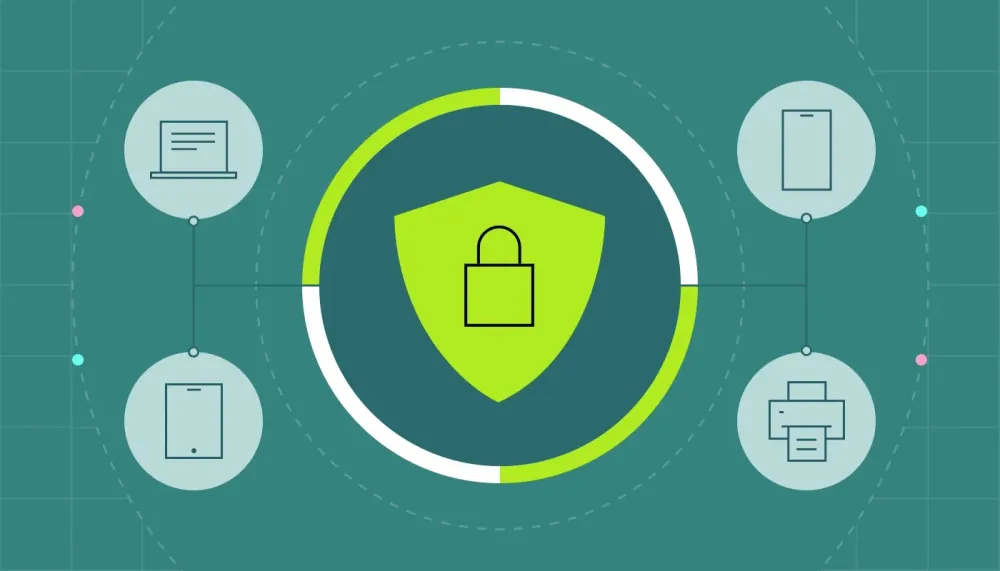
Every device—whether it’s a computer, phone, or server—can be a way for attackers to get into a system.
That’s why protecting each device is no longer optional. If even one device is weak, the whole network becomes vulnerable. The best way is to treat every device as important and use layered security with advanced technologies.
Modern tools are more than just scanners. They use AI to spot unusual behavior, stop threats early, and respond quickly. This change has made endpoint security smarter, faster, and more active. Companies that use the best solutions can stop damage before it happens instead of dealing with it after the fact.
Layered security is important. This means using several technologies to watch, find, and deal with threats continuously. The best systems don’t rely on just one defense—they build multiple layers of protection. With the right setup, every device is constantly being checked, making it harder for attackers to succeed.
Best endpoint security for operational technology
In places like factories or power plants, things get more complicated.
These systems depend on machines that need to run around the clock. You can’t just restart them or install updates whenever you want. That’s why traditional IT security doesn’t work well here.
Operational environments need the best endpoint protection made for their specific needs. These tools focus on stability while keeping things secure. Instead of making frequent changes, they use controlled access and strict rules to protect the system.
One effective method is allowing only approved programs to run. This lowers the risk a lot. Another approach uses monitoring tools that quietly watch activities without slowing down operations. These tools help find threats early, giving teams time to act.
The best strategy combines visibility and control. Advanced endpoint security tools track what’s happening, check for risks, and send alerts when something unusual occurs. These tools work smoothly with industrial systems without causing delays.
But security isn’t just about the digital world. Physical access control and strict monitoring are also key. Even the best technology can’t help if someone can access machines without permission. Real protection comes from combining digital security with physical safeguards.
Why Modern Endpoint Protection Matters More Than Ever
As businesses grow, so does the number of possible threats. More devices, more users, and more connections mean more chances for danger. That’s why investing in the best endpoint security is so important.
Modern tools go beyond basic protection. They track activity, learn patterns, and give insights into what’s happening across all devices. If something goes wrong, teams can quickly trace the issue and respond. This level of visibility is a big advantage.
Some systems can isolate an infected device automatically. This stops the threat from spreading. It’s one of the best features of advanced security tools, especially for companies that handle sensitive data.
Keeping devices up to date is another important step. Every device should have the latest updates and correct settings. Without this, even the best security tools may struggle to protect against new threats.
Remote work has also changed the game. Employees now connect from different places, often using personal devices. This makes endpoint security even more important. The best tools ensure safe connections and protect company data, no matter where users are.
Building a Strong and Practical Security Strategy
No single tool can do everything.
The best approach is to use multiple layers of security and combine different technologies. This includes preventing threats, detecting them, and responding effectively.
For example, firewalls, monitoring systems, and backup solutions all play a part. Each one protects the device in a different way. When used together, they create a strong defense system.
Backups are especially important.
If something goes wrong, companies can recover quickly without major losses. This is a simple yet powerful part of the best security plan.
Another key factor is user awareness.
The most advanced tools can’t stop human errors. Employees need to know basic security rules, like avoiding suspicious links or using strong passwords.
Mobile devices also need attention.
Phones and tablets are often overlooked, but they are still endpoints. The best endpoint security systems include mobile management to ensure every device is protected.
At the end of the day, protecting devices is about more than just using the right tools.
It’s about building trust in every device connected to your network. Whether it’s a laptop sending emails or a machine controlling industrial processes, each device must be secure.
The best results come from choosing the right mix of technologies, applying strong security practices, and staying aware of new risks. As threats keep changing, businesses must keep improving their endpoint security strategies.
There is no perfect solution—but with the right approach, the best technologies, and a strong focus on security, businesses can stay protected and confident in a connected world.