Internet of Things (IoT): Meaning, Applications & Future
Take a moment to look around you. Your air conditioner changes its settings when the weather shifts. Your smartwatch keeps track of your steps and heart rate. Even packages moving across the world have tiny sensors that tell where they are. All of these common items are linked through one strong system called the Internet of Things (IoT). Usually, we don’t pay much attention to it, but it’s always working in the background, quietly changing how we live, move, and make decisions.
At its heart, the Internet of Things is about giving regular objects the ability to sense, collect, and share information.
Sensors, software, and internet access are added to physical items so they can talk to other devices or systems. These things don’t just sit there anymore—they respond, learn, and change. The real benefit of IoT doesn’t come from the devices themselves but from the data they create and the understanding that comes from it. From farms and factories to homes and cities, IoT is adding a digital layer to our physical world.
One of the most obvious effects of IoT is inside our homes.
Smart living has moved from being a luxury to something many people use every day. Thermostats learn your habits and change temperatures automatically. Lights turn off when no one is in the room. Voice assistants help connect everything, letting you control many devices with a single command. Thanks to IoT, homes are becoming more comfortable, energy-efficient, and secure. Water leaks can be found early, and security cameras stay watchful even when you’re away. A house that once needed constant human input can now think and act on its own with the help of IoT connections.
Outside the home, IoT plays an even bigger role in industries and businesses.
This is often called the Industrial Internet of Things, but it is still part of the same IoT network. Factories use sensors to check machines in real time, seeing problems before they cause breakdowns. This helps avoid expensive stoppages and saves money. Delivery trucks use smart trackers to share location and cargo conditions, helping companies avoid delays caused by traffic or weather. In farming, IoT devices measure soil moisture, temperature, and crop health, allowing farmers to use water and fertilizer only when necessary. Decisions that once relied on guesses are now guided by live data through IoT systems.
Cities are another area where IoT is quietly making a difference.
Traffic lights change based on how many cars are on the road instead of using fixed timers. Smart trash cans let sanitation teams know when they're full, cutting down on unnecessary trips. Air quality sensors track pollution levels and send updates to city officials. With IoT, urban areas can respond to real needs faster instead of waiting until it's too late. When different systems share information, cities can run more smoothly. Over time, IoT helps create smarter environments that are safer, cleaner, and more efficient for residents.
However, this growing network of connected devices also comes with challenges.
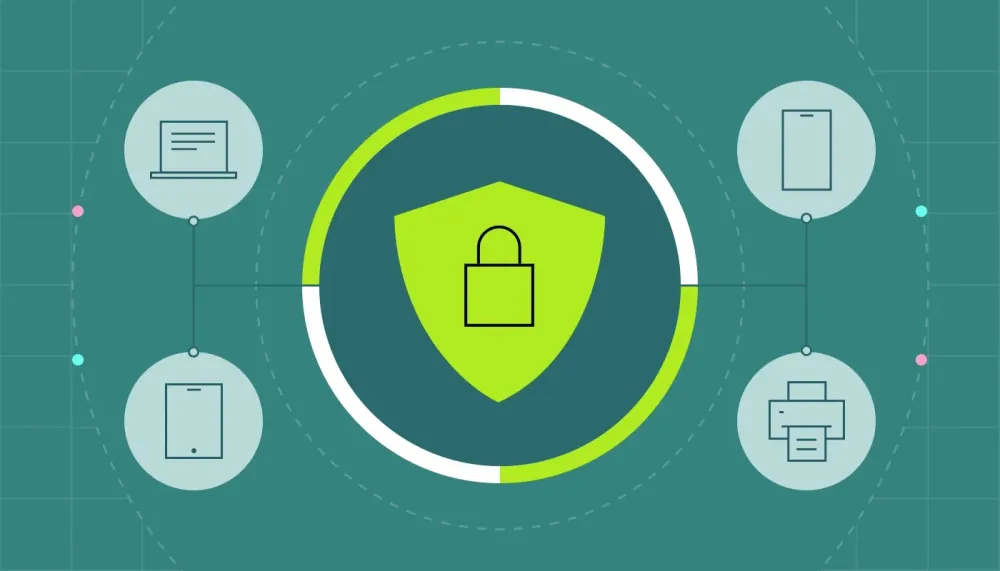
As IoT grows, security and privacy issues become more serious. Every connected sensor, camera, or smart appliance can be a way in for hackers if it isn’t properly protected. A single weak device can let criminals into an entire network. Beyond hacking, IoT raises important questions about who owns the data. Devices that track sleep, driving behavior, or daily routines collect deeply personal information. Who controls this data? How is it stored or shared? Trust in IoT depends on strong security and honest, clear data practices.
Another challenge for IoT is compatibility.
Many companies create devices that only work within their own systems. This makes it hard for products from different brands to talk to each other. For IoT to reach its full potential, makers need shared standards that let devices work together easily. Imagine your car talking to your home, calendar, and energy system without any problems—that future depends on working together, not competing, within the IoT industry.
Looking forward, the future of IoT is closely linked to technologies like 5G and artificial intelligence.
Faster networks will let more devices connect instantly, while AI will help understand huge amounts of data. Together, they will turn IoT from a system that reacts into one that predicts. Traffic systems could prevent jams before they happen. Health monitors could find warning signs early and warn users in advance. These changes won’t come loudly—they’ll just become part of everyday life through smarter IoT solutions.
In the end, IoT is not just about gadgets or trends.
It shows a slow shift in how technology fits into our lives. By letting objects share information, IoT turns silence into useful insight. When handled responsibly, it makes things more efficient, safer, and better without needing constant attention. The journey is still beginning, and success depends on securing devices, protecting data, and encouraging teamwork. When done right, IoT fades into the background—always working, always adapting, and quietly becoming a key part of modern life.