Future of AI Assistants:Beyond Chatbots
From Chatbots to AI Agents: What Changed?
For most of the past decade, AI assistants were reactive tools. You typed a question, you received an answer. Impressive, certainly — but fundamentally passive. The AI sat in a box waiting for instructions, like a very smart encyclopedia that could talk back.
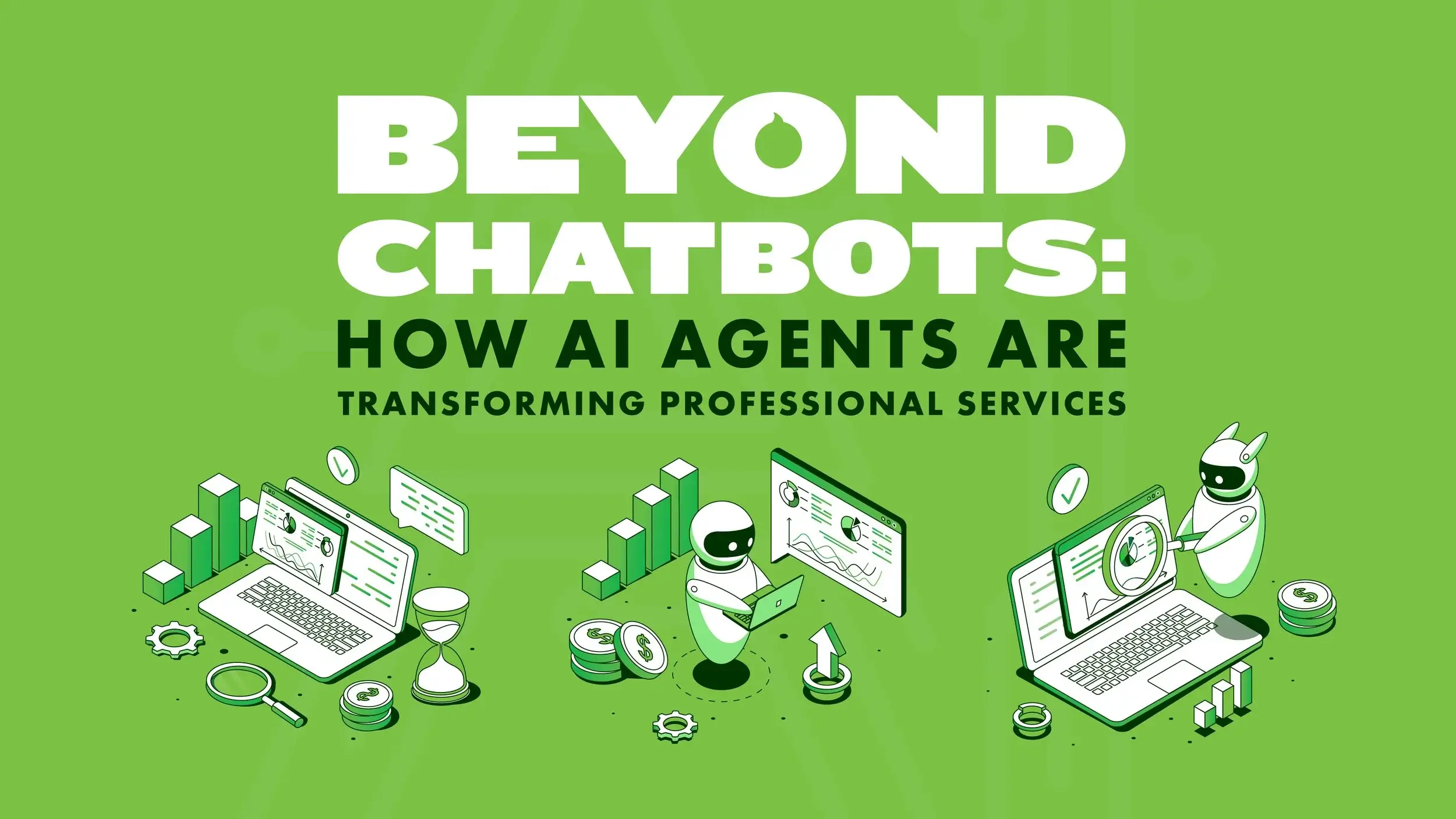
That model is becoming obsolete. The next generation AI assistant is built on a completely different architecture: the AI agent. Rather than responding to a single prompt, AI agents can break a complex goal into sub-tasks, execute them in sequence, use external tools, browse the web, write and run code, and adapt when things go wrong — all without asking for permission at every step.
This shift from passive response to active agency is arguably the most significant leap in the history of artificial intelligence since the invention of the neural network. The implications for business, productivity, healthcare, and everyday life are difficult to overstate.
Key Capabilities of Future AI Assistants
Future AI will remember your preferences, past conversations, and long-term goals — building a personal context over months and years.
Autonomous action
AI agents will book appointments, execute code, send emails, and manage files — completing multi-step tasks with minimal human input.
Multi-modal interaction
Text, voice, images, video — future AI assistants will operate fluidly across all input types without switching tools.
Multi-agent collaboration
Networks of specialized AI agents will work together — one researches, another writes, a third fact-checks and edits, in parallel.
Voice AI and Ambient Intelligence
One of the most visible frontiers in voice AI technology is the move toward ambient intelligence — AI that is always present, always listening (with consent), and always ready to help without requiring you to stop what you are doing and type into a box.
Smart glasses, earbuds, and wearables are becoming the new interface. Instead of opening an app and composing a prompt, you simply speak naturally. The AI understands context — it knows you are in a meeting, that you have a project deadline tomorrow, and that you asked a similar question last week. It responds not just with information but with relevant, personalized action.
Companies like Meta, Apple, and a wave of startups are investing heavily in this space. The AI assistant market growth in wearable and ambient computing is expected to be explosive over the next five years, driven by falling hardware costs and rapidly improving language models.
"The best AI assistant is one you never have to think about — because it is already thinking for you." — Emerging theme in agentic AI research, 2025
AI Assistants in the Workplace
The corporate adoption of AI productivity tools has accelerated dramatically. But the next phase is not about individual tools — it is about integrated AI systems that span an entire organization. Imagine an AI that knows your company's project history, has access to all internal documents, monitors your calendar, and can coordinate between departments without human intervention at every step.
This is the promise of enterprise AI assistants. They will handle meeting summaries, generate reports, flag risks in contracts, route customer queries, and train new employees — all simultaneously. The result is not job elimination but a radical shift in what human work looks like. Routine cognitive tasks move to AI; humans focus on judgment, relationships, and creativity.
The Evolution Timeline: What to Expect
Now — 2025
Agentic assistants arrive
AI agents that can browse the web, write and execute code, and complete multi-step tasks are mainstream in developer and enterprise tools.
2026 — 2027
Persistent personal AI emerges
AI assistants with long-term memory, personalized to individual users, become standard consumer products — embedded in phones, wearables, and home devices.
2028 — 2030
Autonomous AI networks scale
Multi-agent systems operate entire business workflows. AI handles end-to-end processes — from customer intake to legal review to delivery — with humans approving, not executing.
The Challenges We Cannot Ignore
The power of autonomous AI systems comes with serious challenges. Privacy is the most urgent. An AI that knows your schedule, reads your emails, and listens to your conversations holds an extraordinary amount of personal data. How that data is stored, who owns it, and how it is protected will define public trust in this technology.
There is also the question of control. As AI agents take on more decision-making authority, it becomes harder for humans to track what decisions were made and why. Explainability and accountability — knowing not just what an AI did, but why — will be essential features, not optional extras.
Finally, there is the risk of dependency. A world in which every professional task is delegated to an AI assistant is also a world in which human skills quietly atrophy. The challenge is not to resist AI assistance, but to design it in a way that keeps humans genuinely engaged, capable, and in control.
The Road Ahead
The future of AI assistants is not a better chatbot. It is a fundamentally new kind of partner — one that understands your goals, takes initiative, works alongside you (and other AIs) in real time, and grows more useful with every interaction.
We are moving from tools you operate to systems that operate with you. The transition will be messy, controversial, and extraordinarily consequential. But the direction is clear: AI assistants are evolving from question-answering machines into autonomous, thinking collaborators. How we build them, govern them, and live with them will be the defining challenge of the next decade.