What are the primary business benefits of an ERP system?
In today's business world, information travels quickly, and companies that can't keep up often struggle to stay relevant. That's where an ERP system really makes a difference. It's not just another software tool—it's the foundation that keeps a business connected and moving in the same direction. Instead of departments working in isolation, everyone uses a shared source of truth. From factory floors to executive offices, an ERP system helps organizations respond faster, work smarter, and stay organized.An ERP system helps sustainable installation companies scale by centralising accounting, procurement, planning, and customer data in one platform
At its core, an ERP system exists to solve one main problem: scattered data.
Before these systems became common, departments like finance, HR, sales, and inventory all used different tools. These tools rarely communicated with each other. As a result, businesses dealt with mismatched reports, repeated data entry, and decisions based on outdated information. An ERP system brings all this information together in one place, so everyone sees the same numbers at the same time.
Imagine a salesperson entering a customer order.
With an ERP system, inventory levels update immediately. The finance team sees the transaction instantly, and production planning gets notified without a single email being sent. No double work. No confusion. This kind of real-time coordination is the reason companies invest in an ERP system. The real power isn't always visible—it's in how smoothly everything connects behind the scenes.
A modern ERP system usually includes several core modules.
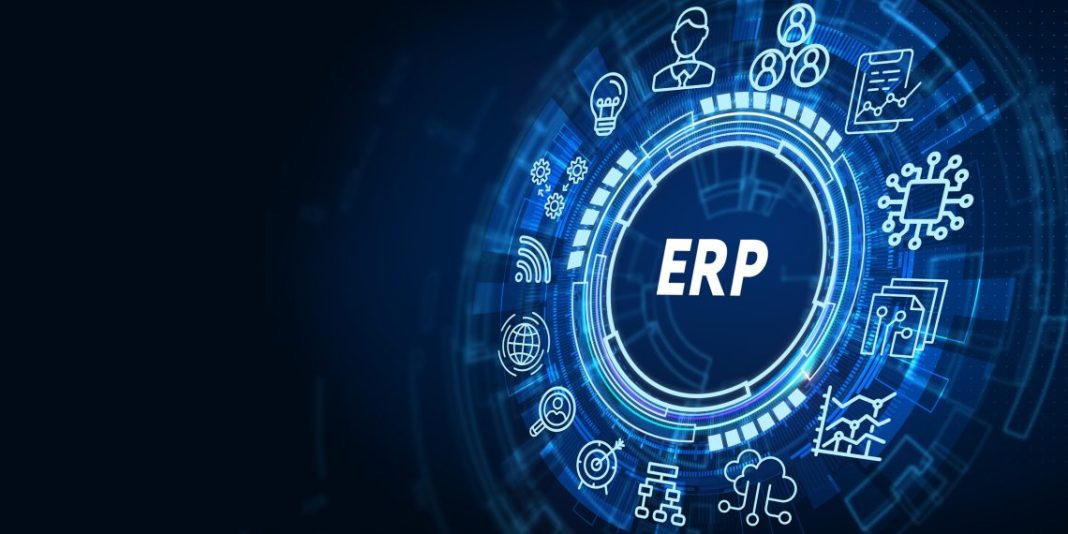
These often cover finance, purchasing, inventory, manufacturing, projects, customer management, and human resources. Each module has its own role, but the real benefit comes when they work together. For example, the finance module doesn't just track income and expenses. It pulls data from every part of the business, allowing leaders to see profits by product, location, or project almost instantly. Without an ERP system, gaining this level of insight would take days or even weeks.
Choosing the right ERP system starts with an important decision: cloud-based or on-premises.
Cloud solutions have become very popular because they require less upfront investment, update automatically, and scale easily as a business grows. With a cloud-based ERP system, employees can log in from anywhere, which fits perfectly with today’s mix of remote and office work. On the other hand, some companies prefer on-premises setups because they want tighter control over their data or need heavy customization. Either way, the structure you choose for your ERP system has a long-term impact on how efficiently your business runs.
Implementing an ERP system is not a small task.
It's more than installing software—it's a major change in how a company works. Old habits often need to be replaced with new processes that match the system's design. Data from older systems must be cleaned and organized before it can be moved. This takes time, planning, and patience. Most importantly, people need to be on board. Even the best ERP system can fail if employees don't understand it or feel frustrated by it.
That's why training and communication are just as important as technology.
Teams need to see the ERP system as a helpful tool, not an obstacle. When employees understand how it makes their jobs easier—by reducing manual work and improving accuracy—they're more likely to embrace it. A smooth rollout depends on strong leadership, clear goals, and ongoing support.
When implemented correctly, an ERP system can transform daily operations.
Routine tasks become faster because automation replaces repetitive manual work. Managers gain access to dashboards that show real-time performance across the business. Instead of guessing, decisions are based on accurate data. If a production delay happens in one country, leaders can instantly see how it affects deliveries, costs, and future planning elsewhere. An ERP system also enforces consistent procedures, helping businesses stay compliant and organized.
Looking ahead, the role of the ERP system will only grow stronger.
Today’s platforms already use artificial intelligence to analyze patterns and predict outcomes. In the future, an ERP system may warn companies about inventory shortages before they happen or suggest better purchasing schedules. Machines on factory floors can already send real-time updates through connected sensors, allowing maintenance teams to act before breakdowns occur. This makes operations more proactive instead of reactive.