Gemini AI – Features, Uses & Latest Developments
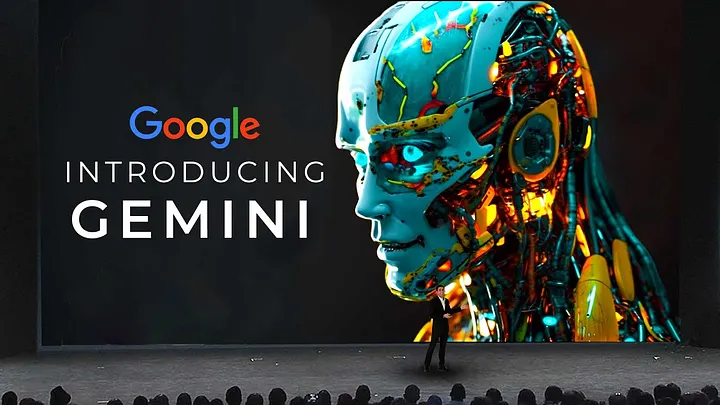
Artificial intelligence is advancing rapidly, but occasionally, something emerges that feels truly unique. Gemini is one of those rare developments. It isn't just another AI update or a new buzzword from Google. Instead, it marks a significant change in how machines grasp and interact with the world. Rather than emphasizing speed or raw computational power, Gemini focuses on understanding meaning—how text, images, sound, and code naturally come together, much like they do in human communication.
Most previous AI systems were built in separate parts.
One was for text, another for images, and yet another for audio or code. These components were then combined later, often resulting in interactions that felt rigid or limited. Gemini takes a different approach. From the start, it was designed as a multimodal system. This means it comprehends language, visuals, sound, and data as parts of a single, cohesive experience. This is why using Gemini often feels more like having a conversation than issuing commands.
When you engage with Gemini, it does more than just process text.
It picks up on context, tone, structure, and even subtle relationships between different inputs. For instance, you might upload an image, ask a question about it, and add a brief voice note explaining your confusion. Gemini doesn’t treat these as separate tasks. It integrates them into one understanding and responds in a way that feels surprisingly natural.
This approach proves especially valuable in real-world scenarios.
Students, for example, can take a photo of a complicated diagram, upload a recorded lecture, and include rough handwritten notes. Gemini can combine all of that into a clear summary or explanation. Developers also benefit from this flexibility. If a programmer encounters an error, they can share a screenshot of the issue, paste part of the code, and describe the problem in simple language. Gemini can analyze everything together and offer practical solutions instead of generic responses.
Creative work is another area where Gemini stands out.
Designers, writers, and marketers often juggle mixed ideas—images, sounds, drafts, and voice memos. Gemini helps connect these fragmented elements into a single, coherent concept. It doesn’t replace creativity but supports the process, making brainstorming smoother and less fragmented. This kind of collaboration highlights how Gemini is less about automation and more about assistance.
Google has released Gemini in three versions: Ultra, Pro, and Nano.
Each is tailored to different needs, but they all share the same core intelligence. Gemini Ultra is the most powerful, designed for complex and demanding tasks that push AI to its limits. Gemini Pro powers many everyday applications, delivering strong performance for users and businesses without overloading systems. Gemini Nano, on the other hand, runs directly on smartphones and smaller devices.
What makes Gemini Nano particularly interesting is its ability to function offline.
Because it operates on the device itself, data doesn’t always need to be sent to the cloud. This improves speed and enhances privacy at the same time. With Gemini running closer to the user, responses feel faster and more personal, showing how AI can become more efficient without being intrusive.
Of course, a system as powerful as Gemini also raises serious concerns.
When AI can generate text, images, audio, and video together, the risk of misinformation increases. A convincing fake video paired with realistic narration and believable articles could spread quickly. Google acknowledges this challenge and emphasizes responsible development. The future of Gemini depends not just on what it can do, but on how carefully it is used.
Ethics play a major role here.
Accuracy, transparency, and fairness must guide the growth of Gemini. Mistakes in AI are not new, but when errors appear across multiple media at once, the impact can be much larger. This is why building trust is just as important as building smarter systems. Gemini is evolving step by step, with the goal of aligning technological progress with human values.
Looking ahead, the possibilities are exciting.
Gemini could change how people learn, work, and create. Imagine education systems where lessons adapt in real time based on a student’s reactions—confusion, curiosity, or boredom—all understood through text, visuals, and quick assessments. Gemini could also assist professionals in design studios, responding instantly to sketches, spoken ideas, or reference images.
In workplaces, Gemini may become a quiet partner rather than a loud tool.
It can help teams organize ideas, analyze information, and make decisions without interrupting the creative flow. This marks a shift from rigid systems to flexible collaboration. Instead of forcing humans to adapt to machines, Gemini adapts to how humans naturally think and communicate.
At its core, Gemini is more than a technical achievement.
It reflects a broader change in how we define intelligence in machines. Human expression is rarely limited to one format—we speak, gesture, draw, listen, and write all at once. Gemini mirrors this complexity, bringing AI closer to real human interaction.
Search engines are changing.
Devices are becoming more responsive. Creative industries are exploring new workflows. Through all of this, Gemini stands as a symbol of where AI is heading. The real question is not how advanced it becomes, but how meaningfully it helps people solve problems, share ideas, and build a better future—carefully, responsibly, and together.