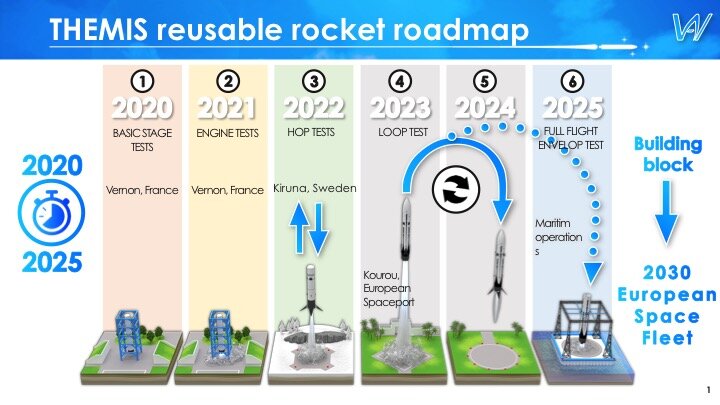
Now rockets fly to space and come back again, not gone for good. Once only imagined in stories, today they lift off skyward then land gently, ready to go once more. Long before, each rocket had just one job, then burned up falling down or sank deep in water, never flying again. That worked fine at first, yet soon showed its price - spending huge sums over and over without reuse. Heavy costs piled high until change arrived. One mission meant building a fresh rocket each time, piling up costs with every liftoff.
Now, clever minds are changing how it's done. Instead of tossing gear away, they build rockets tough enough to return home. These powerful boosters steer themselves down through the air, slow at just the right moments, then settle standing tall - on land or out at sea on drifting platforms. That shift rewrote the rules of going to space.
Getting to orbit doesn’t demand emptying wallets or burning through supplies like before. Getting rockets back after flight lets us check them, fix any damage, then ready them again for another trip. What we’re seeing isn’t just new tech - it’s a shift in how people think about going to space. Using the same rocket more than once doesn’t only save money; it opens doors to bolder ideas out there among the stars.
Back when humans first reached upward, making sure missions worked mattered far more than cost. The main aim? Simply proving that leaving Earth could happen at all. Countries pushed hard into orbit, driven by competition and prestige, while price tags played second fiddle. These early machines focused on power for one quick burst, built tough but never meant to last.
Hardly anyone questioned why each launcher had to burn up or crash afterward. Over time though, spending too much became impossible to ignore. Wonder filled the air with every launch, yet how poorly things worked stayed clear. Pondering came naturally to engineers faced with a simple puzzle: could rockets fly like planes do?
Built tough, jets take off again and again - so what made space vehicles different? Ideas sparked, pointing toward reuse, even if roadblocks piled high. Trouble shows up fast when leaving Earth. Coming back means facing fire and force unlike anything else.
A soft touchdown needs precise handling, smart guidance tech, one engine that fires up again when it has to. Stuff used has to survive round after round without cracking. Code running things matters deeply - tiny mistake while coming down might wreck everything. Hard truths like these made plenty question if bringing rockets back was even doable.
Crashes showed up everywhere online, skeptics quick to point out each fireball or stumble. Still, those building kept tweaking, learning, pushing ahead. Each test brought new clarity. Over time, touchdowns turned sharper, more consistent. Risks that once loomed large now appeared manageable.
Win after win built belief, pulling money toward the effort. More resources meant faster progress, fueling a loop where reusability shifted from idea to everyday reality. Out here, shifts in the industry have stirred up big financial ripples.
Rocket launch prices? A lot rides on those boosters - big chunk of the total price tag. When you bring them back and fly them again, what once felt too expensive starts looking manageable. Now, startups, labs, even young national programs can reach orbit without breaking the bank.
Getting satellites into space isn’t just for giant government teams anymore. Now things like phone networks, navigation tools, and weather tracking rely heavily on satellites, pushing these areas to grow fast while shaping daily life in quiet ways.
Oceans and air suffer when standard rocket trips abandon junk and spew contaminants along the way. Even so, flying hardware again slashes how much trash piles up from space flights. Fewer boosters get tossed out post-mission because they return for later use. Making fresh parts every time drops too since old ones get another chance.
Going up often becomes possible now with lighter damage left behind. One thing is clear: tossing rockets after one flight just does not make sense anymore. Still, going green up there means more than swapping parts around.
What really shifts the game? Flying the same rocket many times over. Picture steady trips - not heroic leaps - to places like the Moon or Mars. These journeys survive on routine deliveries, not miracles. Supplies, shelters, gear - none of it arrives magically.
Cost skyrockets if every ride burns cash like a campfire. But launching again and again slashes those numbers fast. Suddenly, deep space feels less like fiction. Now things happen more than before, where gaps between attempts used to stretch long.
People see space differently these days. What felt rare and distant has turned into something seen regularly. Rockets going up, then touching down safely - this sticks in minds in new ways.
Kids today think reaching space can actually happen, not just dream about it. When boosters come back slow and settle on target, space feels closer, tied to moments we live through. Looking ahead, young minds picture their futures differently because of these examples.
Even with progress made, hurdles remain along the way. Once a rocket lands, experts check every engine, tank, and frame piece closely. Speedy turnarounds have to line up somehow with strict safety rules. Moving fast should never weaken trust in the system.
Still, every lift-off adds knowledge that helps refine technology bit by bit. What's already working shows reuse isn’t just some passing phase. What began as one-time machines now serves again and again.
Each launch builds on what came before, thanks to steady progress behind the scenes. Not luck but careful design shifted how we reach beyond Earth. Cheaper flights open doors once locked by expense and old limits.
Step by step, more minds join the work, turning solo dashes into shared paths forward. This path grows stronger not through sudden jumps, but slow, constant motion.