Robotic Cats: Smart AI Companions Shaping the Future of Technology
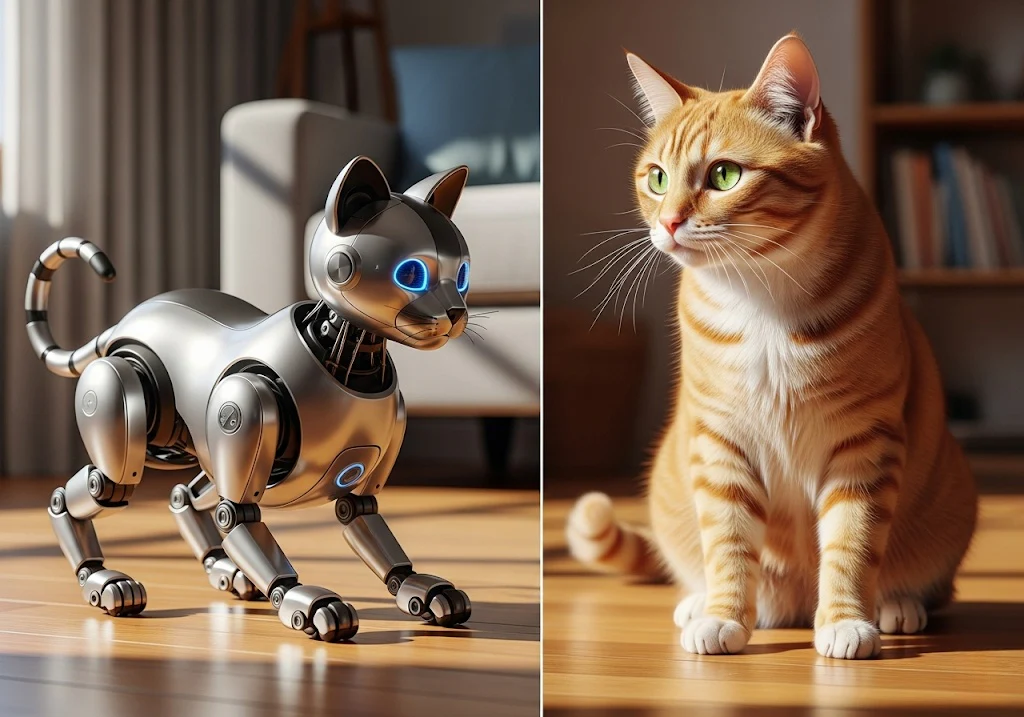
Technology is slowly making its way into some of the most personal parts of our lives, and robotic cats are a surprisingly touching example of that. These aren't the stiff, plastic toys that many people think of from the past. Today's robotic cats are designed to feel comforting and familiar. They're soft to the touch, have a gentle weight, move calmly, and even purr in a way that feels reassuring. They're not just built to work—they're meant to connect.
The idea of a robotic cat isn't brand new.
For years, designers and engineers have been inspired by real cats for their calm presence, balance, and soothing nature. Earlier robotic models mainly showed off technology—like sensors, movements, and fancy features. What's different about today's robotic cats is why they exist. The goal is no longer to impress, but to comfort. These devices are created with emotional well-being in mind, offering something that feels naturally soothing.
Modern robotic cats act in ways that feel surprisingly real.
They might lift their head when they hear a voice, blink slowly, or turn toward a familiar sound. Some lean into your hand when you pet them, while others curl up as if settling down to sleep. They appear to breathe, “doze off,” and wake again, creating small moments that feel like companionship. On their own, these actions may seem simple, but together they create a sense of steady presence—something more meaningful than advanced programming could ever provide.
Their impact is especially noticeable in elder care.
Many older adults, especially those living with dementia or Alzheimer's, struggle with anxiety, confusion, and loneliness. Caring for a real pet can be overwhelming or unsafe, but the need for companionship is still strong. A robotic cat offers comfort without the risks. It doesn't need feeding, walking, or medical care. It won't scratch, wander, or cause accidents. It's gentle, predictable, and always available—qualities that can be deeply reassuring.
Research and personal stories show that interacting with a robotic cat can reduce stress, calm agitation, and ease restlessness.
For some seniors, holding or stroking the cat brings back memories of pets they once loved. These memories often spark conversation, smiles, and moments of warmth that illness may have dimmed. The robotic cat doesn't replace a living pet—it helps restore a sense of familiarity, safety, and peace.
Beyond healthcare, robotic cats are finding a place in the lives of people who want companionship but can't care for a real animal.
Allergies, small living spaces, busy schedules, or fear of loss can make pet ownership difficult. For them, a gentle purr at the end of a long day can still bring comfort. The presence may be quiet, but it can make a home feel less empty.
Robotic cats can also be meaningful for people on the autism spectrum.
Unlike living animals, which can be unpredictable, robotic cats are consistent and reliable. That predictability creates a sense of safety and control, making interaction easier and less stressful. Over time, the robotic cat may become a calming companion or even help encourage social interaction with others.
Of course, not everyone feels comfortable with the idea of bonding with a machine.
Some worry that robotic companions could replace real relationships or deepen loneliness. These concerns are understandable. But loneliness is already a growing problem. When human or animal companionship isn't available, a robotic cat can offer emotional relief. It's not meant to replace people or pets—only to support those who might otherwise feel alone.
Looking ahead, robotic cats are likely to become even more responsive and personalized.
Future versions may recognize voices, adapt to daily routines, and respond to mood changes. Some may move more freely around the home or connect with smart systems to help families keep an eye on loved ones. As technology advances, the line between tool and companion may continue to blur.
At its heart, the robotic cat reminds us of something deeply human.
We crave touch, familiarity, and simple companionship. Emotional comfort doesn't always come from something living—it can come from care, intention, and thoughtful design. Even though the cat is mechanical, the feelings it brings out are very real.
In a world that often feels rushed and impersonal, a robotic cat offers a quiet pause.
It encourages calm moments, gentle interaction, and a sense of closeness. More than a clever gadget, it's a compassionate response to real emotional needs. Whether it eases loneliness, reduces anxiety, or simply brings a moment of peace, the robotic cat has earned its place. And as technology continues to grow, its purpose will remain the same: to offer comfort, create connection, and bring a little warmth into everyday life.