Role of Biotechnology in Modern Cosmetics | Beauty Innovation
Introduction: A New Science Behind Beauty
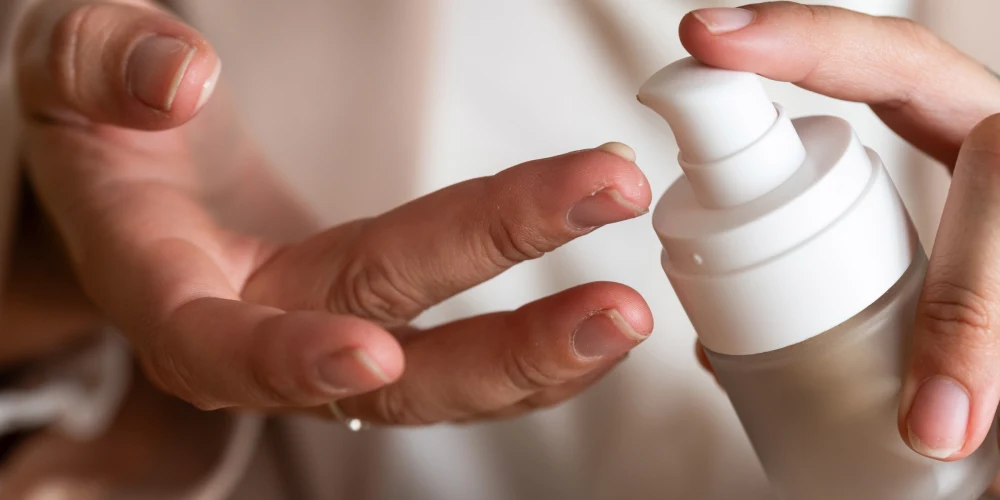
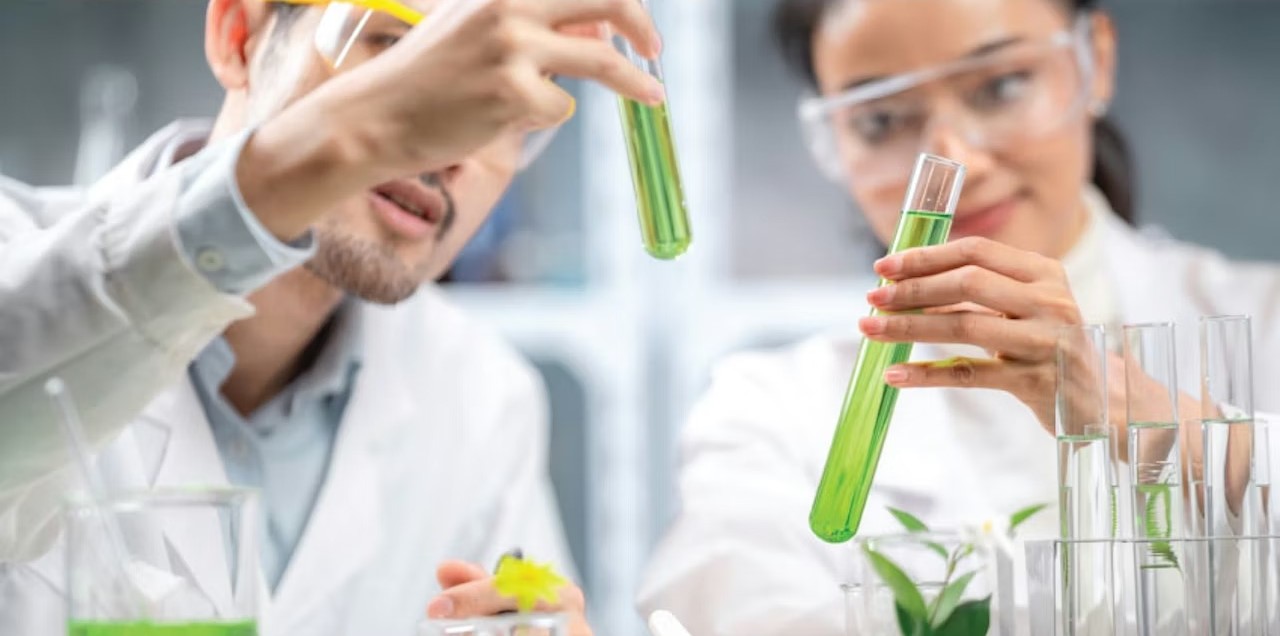
Out here, biotech reshapes how beauty works—no longer just lotions and scents, but smart blends born in labs. This transformation highlights the role of Biotechnology in modern cosmetics, where science moves beyond surface appeal to real biological interaction. Today, beauty products aim to cooperate with the skin rather than simply sit on it. The growing role of Biotechnology in modern cosmetics reflects changing consumer expectations for performance, safety, and sustainability.
From Traditional Beauty to Biotech Innovation
In the past, beauty relied heavily on plant extracts and age-old recipes. Now, the role of Biotechnology in modern cosmetics has expanded product creation itself. Serums are fine-tuned to skin biology, shampoos are engineered for specific hair structures, and results last longer. Behind the scenes, production, safety testing, and even marketing have shifted due to the increasing role of Biotechnology in modern cosmetics replacing tradition with precision.
Ingredient Design Powered by Living Systems
Peel back the layers of today’s formulas and you find living cells, natural pathways, and biological systems guided rather than copied. The role of Biotechnology in modern cosmetics allows ingredients to be designed at a molecular level. Hyaluronic acid, peptides, and ceramides are now created through microbial processes. This growing role of Biotechnology in modern cosmetics ensures ingredients closely match what our skin already recognizes.
Fermentation and Lab-Grown Alternatives
Many cosmetic companies now skip traditional extraction methods. Instead, the role of Biotechnology in modern cosmetics appears through fermentation and cell cultivation. Rare natural compounds are recreated without damaging ecosystems. Because of the consistent role of Biotechnology in modern cosmetics, quality stays stable from batch to batch, avoiding variations common in natural harvesting.
Skin Compatibility and Sensitivity Care
One key role of Biotechnology in modern cosmetics is improving skin tolerance. Lab-built molecules mirror natural skin components, helping products absorb easily while reducing irritation. For people with sensitive skin, this role of Biotechnology in modern cosmetics offers safer, calmer alternatives to harsh formulations.
Beyond Appearance: Supporting Skin Function
Science reshapes what makeup means today. The role of Biotechnology in modern cosmetics shifts focus from simple coverage to skin support. Lab-made proteins, cellular extracts, and beneficial bacteria work together to restore balance. Through this deeper role of Biotechnology in modern cosmetics, products encourage renewal rather than temporary masking.
Environmental Responsibility Through Science
Sustainability highlights another vital role of Biotechnology in modern cosmetics. Traditional beauty production often strains natural resources. Biotech-grown collagen and squalane replace animal-based sources. Thanks to the expanding role of Biotechnology in modern cosmetics, companies reduce land use, water waste, and ecological damage without sacrificing quality.
Ethical Safety Testing Without Animals
Testing methods have changed dramatically due to the role of Biotechnology in modern cosmetics. Instead of animal testing, scientists now use lab-grown skin models and cultured cells. This ethical role of Biotechnology in modern cosmetics aligns with global regulations while increasing consumer trust.
Personalized Beauty Through Biology
What if your skincare matched your DNA? This idea exists because of the role of Biotechnology in modern cosmetics. By studying genes and skin microbiomes, brands create personalized routines. This advanced role of Biotechnology in modern cosmetics replaces one-size-fits-all solutions with tailored care.
Anti-Aging From the Inside Out
The role of Biotechnology in modern cosmetics is especially visible in anti-aging solutions. Rather than hiding wrinkles, biotech ingredients target internal aging processes. Cellular research supports this role of Biotechnology in modern cosmetics, helping products protect collagen, reduce inflammation, and slow visible aging over time.
Consistency, Regulation, and Global Standards
Purity and reliability reflect another essential role of Biotechnology in modern cosmetics. Controlled lab environments ensure ingredients remain clean and effective. Because of this dependable role of Biotechnology in modern cosmetics, brands meet strict international standards with confidence.
Consumer Trust and Transparency
As science becomes central to beauty, the role of Biotechnology in modern cosmetics also shapes how products are sold. Consumers now ask questions and expect proof. Brands that explain the role of Biotechnology in modern cosmetics build stronger trust through honesty and education.
The Future of Beauty Science
Looking ahead, the role of Biotechnology in modern cosmetics will deepen even further. Future formulas may respond to pollution, sunlight, or aging in real time. With each scientific advance, the role of Biotechnology in modern cosmetics blurs the line between daily skincare and laboratory innovation.
Conclusion: A Quiet Revolution in Beauty
Altogether, the growing role of Biotechnology in modern cosmetics marks a turning point. It reshapes how products are imagined, created, tested, and trusted. Better performance, ethical production, sustainability, and personalization all stem from the same source. As science continues to evolve, the role of Biotechnology in modern cosmetics will quietly guide beauty into a smarter, kinder, and more effective future.