The Role of Hyaluronic Acid in Skin Aging Research | Beauty & Skincare Science
For a long time, people have been looking for ways to keep their skin looking fresh, smooth, and youthful.
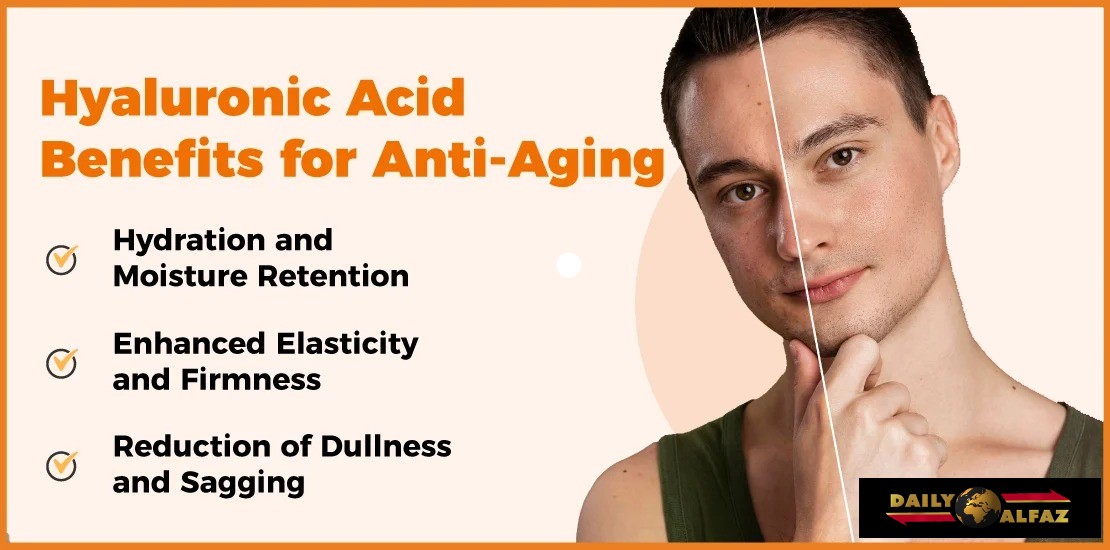
As science continues to study skin aging, one natural substance keeps coming up again and again: hyaluronic acid. This powerful molecule is already present in our bodies and plays a key role in keeping skin hydrated, plump, and flexible. When we are younger, our skin has high levels of hyaluronic acid, which gives it a soft and bouncy feel. However, as time goes on, these levels start to drop, and this decline is one of the main reasons why visible signs of aging become noticeable.
At its core, hyaluronic acid is a sugar-like molecule that belongs to a group called glycosaminoglycans.
Though the name sounds technical, its function is simple to understand. It works like a sponge, absorbing and holding onto water to keep the skin moist. In fact, more than half of the body’s total hyaluronic acid is found in the skin. It sits within the skin's framework, helping cells stay organized and protected. When the skin is well-hydrated, it looks smooth and firm—qualities most people associate with youth rather than aging.
One of the biggest reasons skin aging becomes visible is the gradual loss of hyaluronic acid.
As production slows, the skin has a harder time keeping moisture. This leads to dryness, less elasticity, and the appearance of fine lines. Over time, these small changes add up, resulting in deeper wrinkles and sagging. Without enough hyaluronic acid, the skin's structure weakens, making it harder for it to bounce back from daily stress or environmental damage.
Another factor in skin aging is how fast hyaluronic acid breaks down.
Enzymes called hyaluronidases naturally break it into smaller pieces as part of the skin's natural renewal process. While this is normal, problems happen when the breakdown happens faster than the body can produce new hyaluronic acid. Sun exposure makes this imbalance worse. UV rays create harmful free radicals, which damage skin cells and destroy hyaluronic acid, even without enzymes. This explains why sun-damaged skin often shows faster signs of aging, like rough texture and early wrinkles.
Sugar also plays a hidden role in skin aging.
When sugar molecules bind with proteins in the skin, they form harmful compounds called advanced glycation end-products, or AGEs. These compounds stiffen collagen and reduce the skin's flexibility. As AGEs build up, the skin loses its softness and develops deeper lines. Interestingly, hyaluronic acid helps fight this. It reduces inflammation and captures harmful molecules before they cause more damage. This means that hyaluronic acid is not just a moisturizer, but also an active defender against aging.
Because of this protective role, modern skincare research focuses on preserving and restoring hyaluronic acid.
Many creams and serums now include different sizes of hyaluronic acid molecules. Larger molecules stay on the surface, helping to lock in moisture and smooth the skin. Smaller molecules can go deeper, supporting skin repair from within. These products don't stop aging, but they can slow down the visible signs and improve overall skin comfort.
One exciting development involves ultra-small forms of hyaluronic acid, like low molecular weight or oligo-HA.
These tiny molecules can pass through the outer skin barrier more easily. Once inside, they support cell renewal, improve firmness, and help even out skin tone. This makes them especially useful for people dealing with early signs of aging, dullness, or uneven skin color.
For deeper and faster results, injectable treatments remain popular.
These treatments use cross-linked hyaluronic acid gels to restore lost volume and smooth deep wrinkles. Injected hyaluronic acid is commonly used around the eyes, cheeks, and jawline, where aging signs often show first. Research shows that both cross-linked and free hyaluronic acid, when placed just beneath the skin, significantly improve hydration, elasticity, and smoothness. The effects can last for weeks or months, depending on the product and technique.
Doctors now often recommend repeated treatments instead of one-time injections.
This approach helps maintain steady levels of hyaluronic acid in the skin, offering longer protection against sun-related aging. When combined with topical products and sun protection, injectable treatments can greatly improve the skin's appearance and resilience.
New strategies are also being developed.
Researchers are exploring ways to combine hyaluronic acid with other protective ingredients, such as trehalose, to fight sugar damage and oxidative stress at the same time. Innovative delivery methods, like microneedles and nanoparticles, aim to transport hyaluronic acid into deeper layers where it can be most effective. These advances open up new possibilities for managing aging more gently and efficiently.
Oral supplements containing hyaluronic acid are also gaining attention.
While results can vary, some studies suggest that taking hyaluronic acid by mouth can improve skin hydration and elasticity over time. This inside-out approach supports traditional skincare routines and adds another tool in the fight against aging.
The story of hyaluronic acid and skin aging is ultimately about loss and restoration.
As levels decrease with age, signs of aging become more visible. But growing scientific understanding has led to effective ways to replace and protect this essential molecule. Whether through creams, injections, or supplements, hyaluronic acid continues to show its value. It doesn't promise eternal youth, but it offers real, measurable improvements. In the ongoing search for healthier, more resilient skin, hyaluronic acid remains one of the most trusted allies in slowing the aging process.