Smart Glasses: The Future of Wearable Technology
A Shift From Screens to Sight
Look around. Machines once sat still, then fit in pockets, now they sit on faces. Smart glasses are part of that shift. Not just another gadget, this time screens blend into what you see every day. Information floats where your eyes naturally go, so reaching for a device feels outdated. With smart glasses, you speak, move, and look—then things respond.
Work changes when tools stay visible without getting in the way. Talking to someone no longer means breaking eye contact. The world stays in front of you while facts, messages, or directions appear right within it. Vision itself gets a quiet upgrade. Smart glasses do not just help with tasks; they reshape how moments unfold. Your surroundings react differently now, all because of that small window near your brow.
How the Idea Took Shape
From the start, thinking about smart glasses did not happen alone. The idea grew alongside early experiments in virtual reality, especially bulky headsets used by the military and research labs. These systems proved that digital layers could exist alongside real surroundings.
As everyday technology evolved, companies searched for lighter, simpler designs. Early versions of smart glasses were heavy and expensive, pushing most users away. Over time, better components—smaller processors, stronger batteries, and sharper displays—changed that. What once felt experimental slowly became practical. This shift shows how modern tech blends more smoothly into daily routines.
What Smart Glasses Actually Do
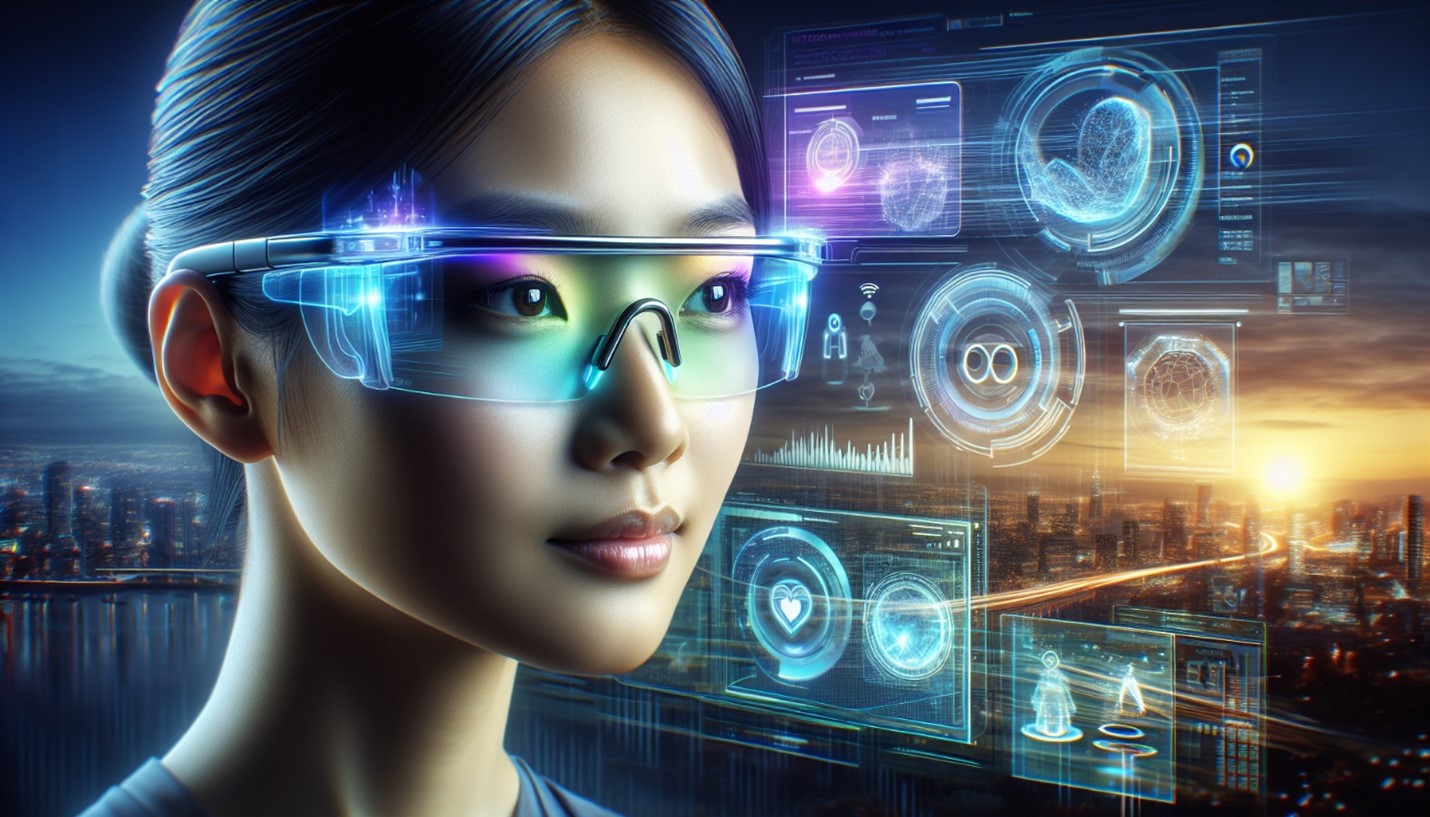
So, what do smart glasses really offer? They combine several tools inside a lightweight frame worn on the face. Tiny displays project images onto the lenses, either by reflecting light or placing visuals directly into your line of sight.
These devices track head movement, location, and sometimes eye focus, adjusting visuals instantly. Cameras and microphones allow photos, videos, and voice interaction. Fast processors manage data, while wireless connections let smart glasses link with phones, cloud systems, and online services. Because of this setup, information appears exactly when needed—without using hands.
Everyday Uses You Can See
What stands out most about smart glasses is how naturally they fit into daily routines. Directions appear directly ahead, removing the need to glance down at a phone. Notifications show up instantly, helping people stay focused on what they are doing.
When traveling, smart glasses can translate signs or menus in real time. Over time, added features turn simple eyewear into a quiet assistant that reduces screen dependence. These small changes make daily life feel smoother and less interrupted.
Changing the Way Work Gets Done
Beyond personal use, smart glasses are changing how jobs function. Doctors can view vital information during procedures without looking away. Factory workers follow step-by-step visual guides while assembling complex equipment.
When experts see exactly what trainees see, guidance becomes faster and clearer. In these settings, smart glasses reduce mistakes, speed up tasks, and improve safety. Industries that rely on precision benefit the most from this hands-free access to information.
Learning Through Real Experience
Education shifts too with smart glasses. Lessons come alive when digital visuals sit directly on real-world objects. Training in hands-on skills becomes safer, cheaper, and more effective.
People learn differently, and smart glasses support that by offering real-time feedback and interaction. Instead of memorizing instructions, learners practice in lifelike settings. This approach helps information stick, especially when action matters more than theory.
Why Adoption Keeps Growing
One major reason smart glasses continue to spread is their convenience. Without needing hands, tasks feel smoother. Visual overlays help explain complex ideas quickly. Modern designs look more like fashion than technology, making smart glasses easier to accept socially.
Still, challenges remain. Privacy concerns arise because cameras can record quietly. Battery life limits long sessions, and high prices keep advanced models out of reach for many.
Concerns and the Road Ahead
Building trust in smart glasses means addressing these concerns directly. Clear usage rules, better battery solutions, and transparent data practices are essential. Progress also depends on smarter software and faster connections.
In the future, smart glasses may become as common as smartphones. Imagine walking down a street while directions float ahead, never breaking focus. Though worries about cost and privacy remain, improvements continue. Over time, smart glasses could blend so naturally into daily life that their presence feels almost invisible.