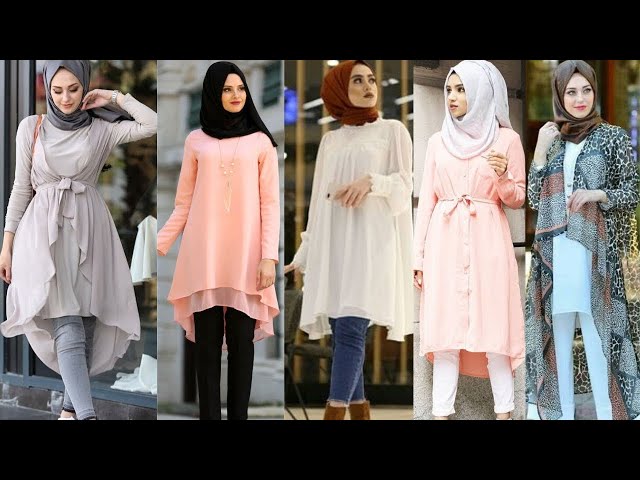
Modest Fashion Trends 2026: Elegant, Sustainable & Modern Styles
As we progress further into the 2020s, a notable shift is occurring in the fashion industry. Modest fashion is stepping out of the shadows and becoming prominent. By 2026, it will have grown into a vibrant, worldwide community fueled by creativity, core values, and genuine needs. The appeal of modest fashion now lies not just in how much skin is covered, but in its thoughtful design. The emphasis has moved towards meaning, comfort, identity, and purpose. These styles are chosen deliberately rather than for show, demonstrating that true elegance doesn’t require excess to make a statement.
One major change in modest fashion by 2026 is the increasing integration of technology into clothing.
Instead of bold designs, innovation works in the background. Smart fabrics adjust to sunlight, offering better coverage when needed. Breathable materials keep wearers cool in hot weather without sacrificing style. Headscarves are lighter, wick away moisture, and stay structured all day. These trends are built for movement and everyday life, especially for people who juggle work, family, and long commutes. Comfort isn’t just an option anymore—it’s something people expect in modern modest fashion.
At the same time, culture is playing a big role in shaping these new trends.
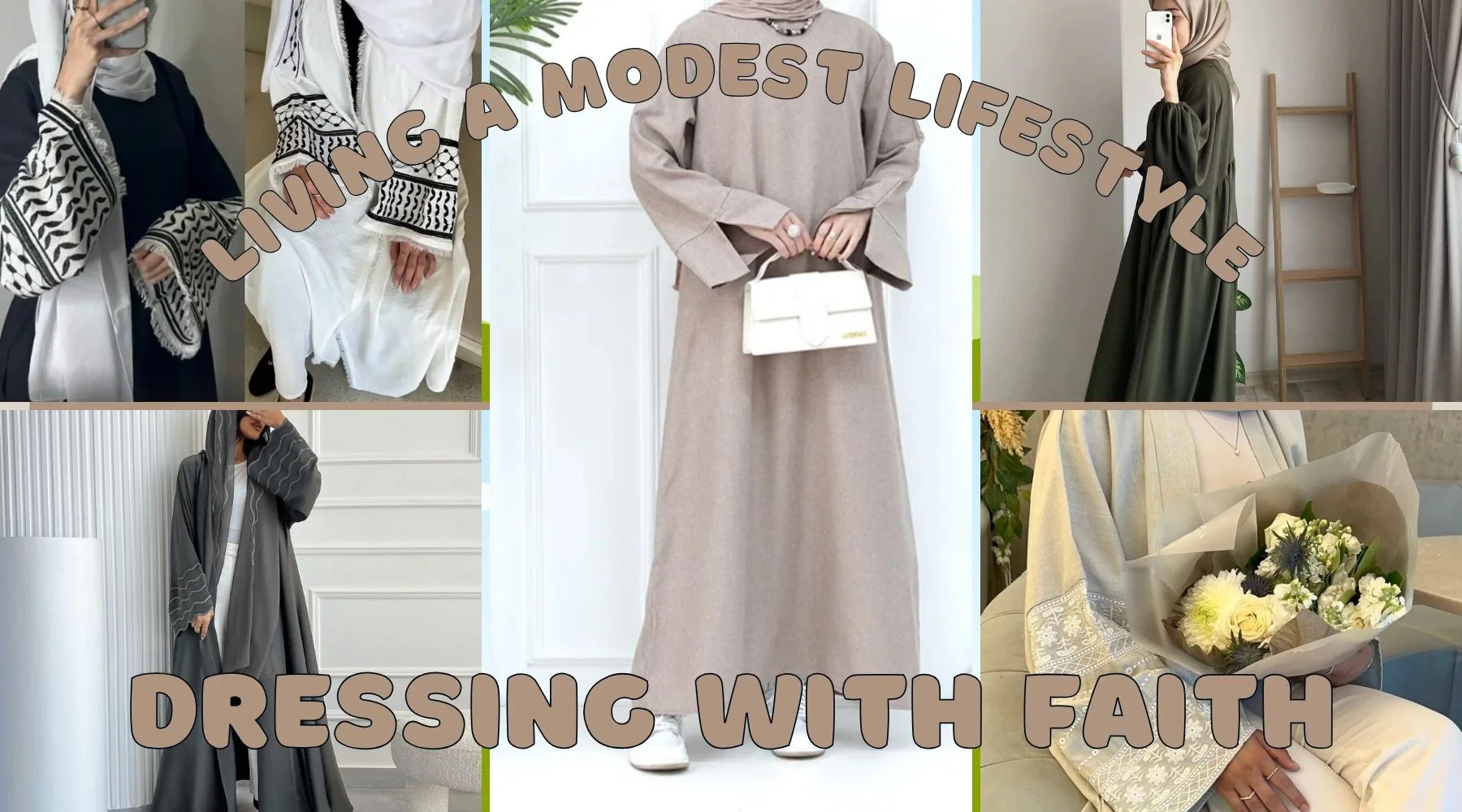
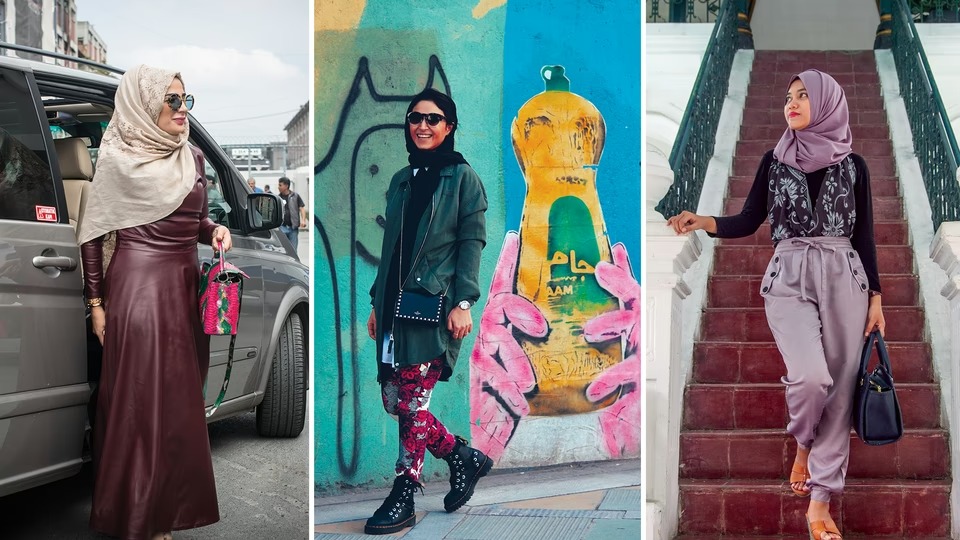
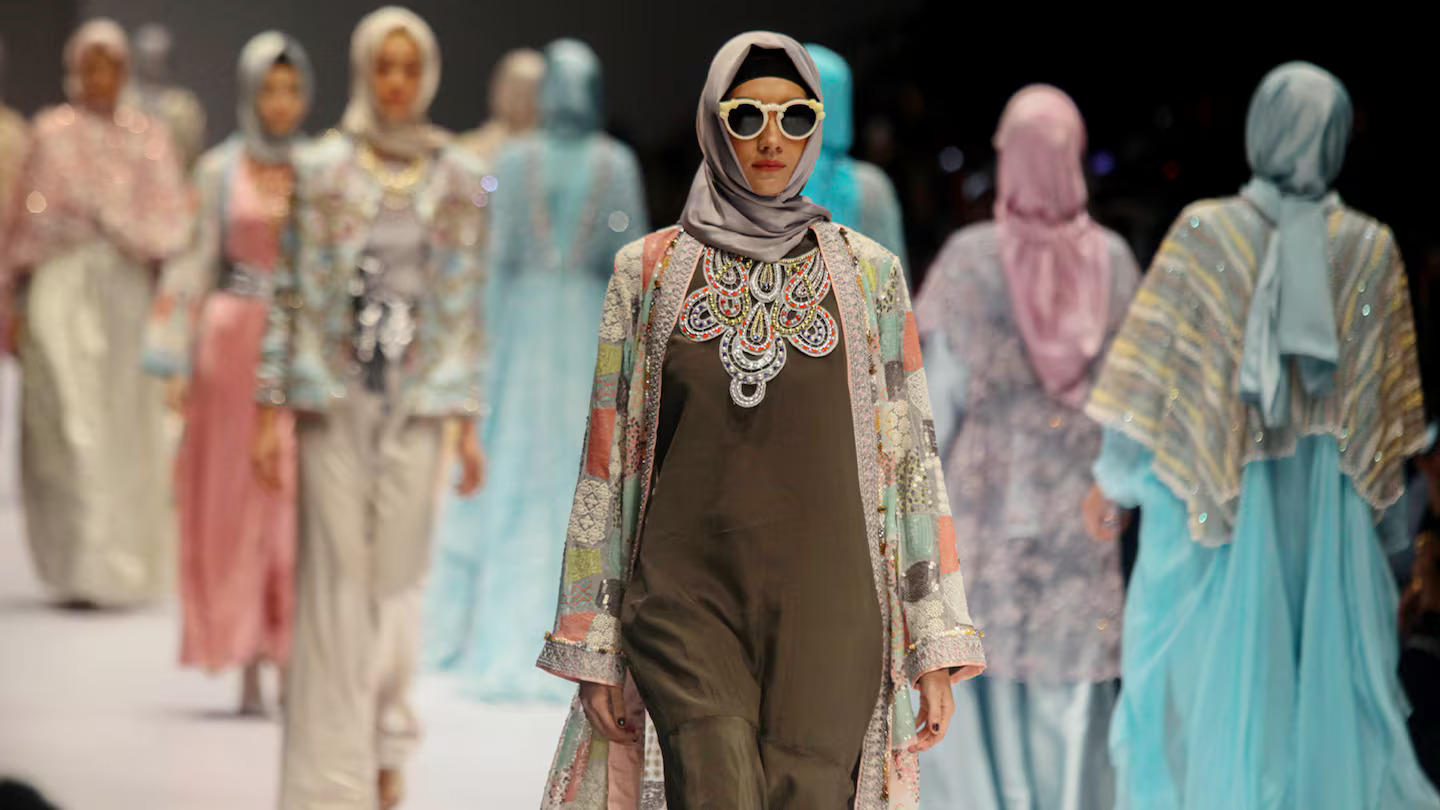
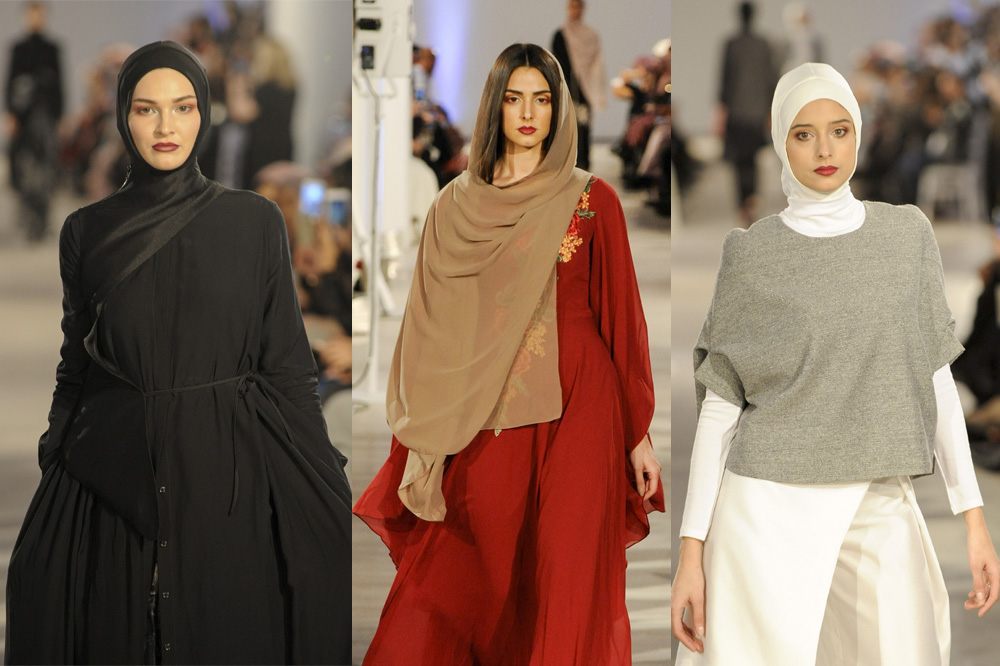
Designers around the world are looking back at traditional clothing and updating it for today’s lifestyle. Japanese-inspired wide-leg pants, modernized shalwar kameez, relaxed Mandarin collars, and redesigned abayas are becoming everyday fashion. What’s important is that these styles maintain their meaning. Modestly, cultural roots are respected, not copied. These trends celebrate shared heritage while allowing room for creativity and personal expression.
Silhouettes in modest fashion are also changing.
Clothing is becoming more structured but still soft and wearable. Long blazers now fall just below the knee, paired with flowing trousers that move easily. Draping is thoughtful—sometimes one sleeve stands out, sometimes hems are uneven. These trends focus on balance, showing shape without being revealing. The goal isn’t to hide the body, but to honor it with confidence. This approach has become central to modern modest fashion, offering strength without stiffness.
Color and pattern are also telling their own story in 2026.
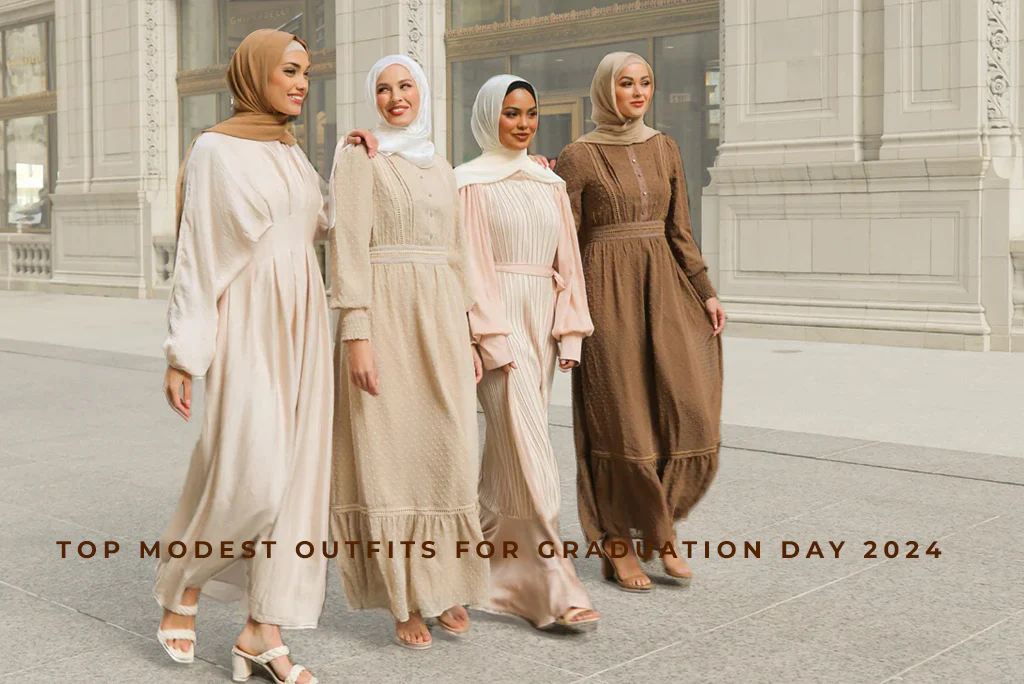
Instead of bold prints, many trends lean toward earthy tones mixed with modern touches. Moss green, terracotta, sand, deep blue, and soft neutrals are popular in collections. Digital-inspired patterns appear subtly, like pixelated florals or repeating geometric designs. Another popular direction in modest fashion is monochrome dressing—wearing one bold color from head to toe. These trends feel calm, confident, and quietly powerful.
Sustainability has moved from being a bonus to becoming a core part of modest fashion.
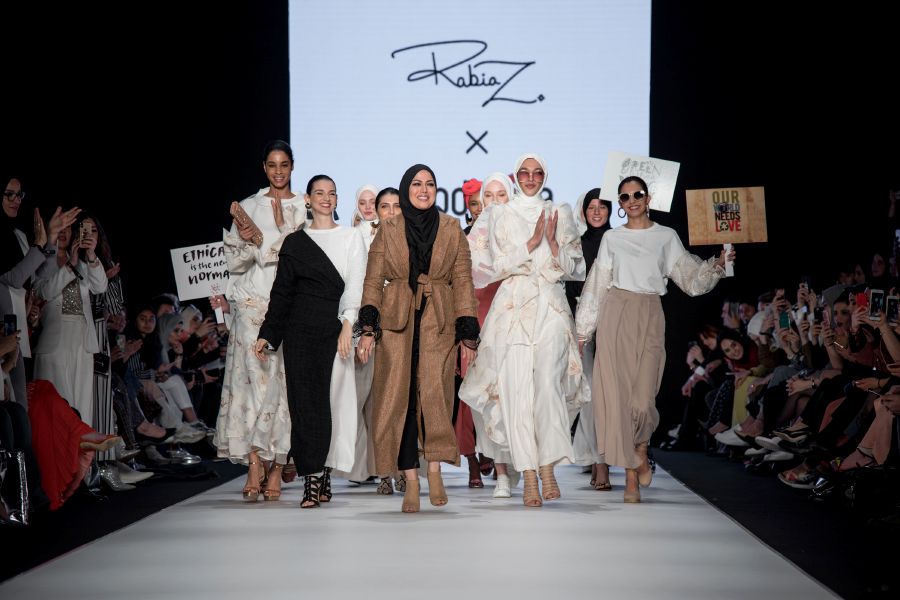
People are asking deeper questions: Where was this made? Who made it? Will it last? Designers are responding with zero-waste cuts, recycled fabrics, and long-lasting pieces meant to be worn for years. These trends reject fast fashion and embrace quality instead. Vintage clothing is being restored, fabrics are being reused, and production processes are becoming more transparent. Choosing modest fashion now often means choosing responsibility—toward the planet and the people behind the clothes.
Minimalism is also playing a growing role in shaping trends.
Fewer pieces, better quality, and timeless designs are becoming the norm. Modestly, this mindset feels natural. Each garment is meant to work across seasons, occasions, and moods. Style becomes less about chasing what’s new and more about building a wardrobe that fits your life. These trends encourage thoughtful shopping and a deeper connection to what we wear.
Technology is also changing how people shop.
By 2026, online shopping for modest fashion feels more personal. Virtual try-ons and digital avatars help shoppers see how clothes will look on their body type. Brands are showing real diversity—different ages, sizes, and backgrounds—so customers feel seen. These trends are driven by real experiences, not unrealistic ideals. Wearers are actively shaping the future of modest fashion through feedback, content creation, and community conversations.
What’s clear is that modest fashion is no longer separate from mainstream style—it’s influencing it.
The trends emerging in 2026 prove that covered clothing can be innovative, modern, and expressive. Tradition and progress aren’t competing here; they’re working together. People around the world are choosing modest fashion because it aligns with their values, lifestyles, and sense of self.
Looking ahead, the future of modest fashion feels steady and meaningful.
These trends aren’t about rushing or standing out loudly. They’re about intention, inclusion, and evolution. Fashion is changing at a human pace—guided by care, culture, and creativity. And by 2026, modest fashion isn’t just a category anymore. It’s a perspective that’s reshaping how we think about beauty, style, and belonging.
.jpg)