Modest Fashion as a Feminist Strategy: Identity, Empowerment & Choice
For a long time, feminism and fashion seemed to be going in different directions. Early feminists, like the suffragettes, resisted clothing that kept them tied down. Tight corsets and heavy dresses made movement hard and showed control. When women started wearing Bloomer suits, it wasn’t just a fashion choice—it was a quiet act of protest. Comfort became more important than looking fancy, and that change sent a strong message: women wanted freedom in their bodies and their minds. This tension between style and control still affects how we think about modest fashion today.
As the 20th century went on, fashion started to change.
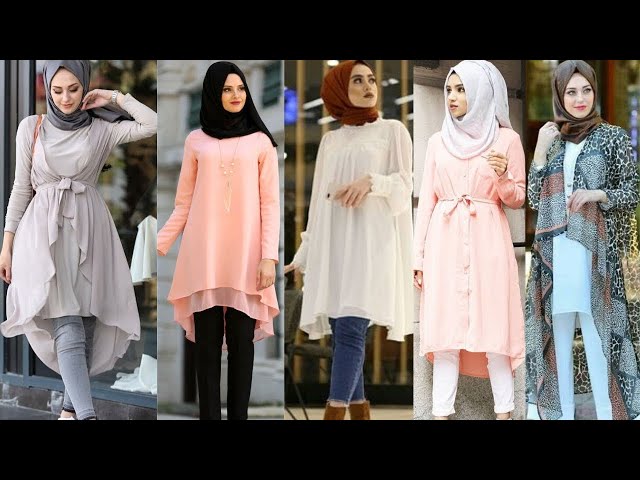
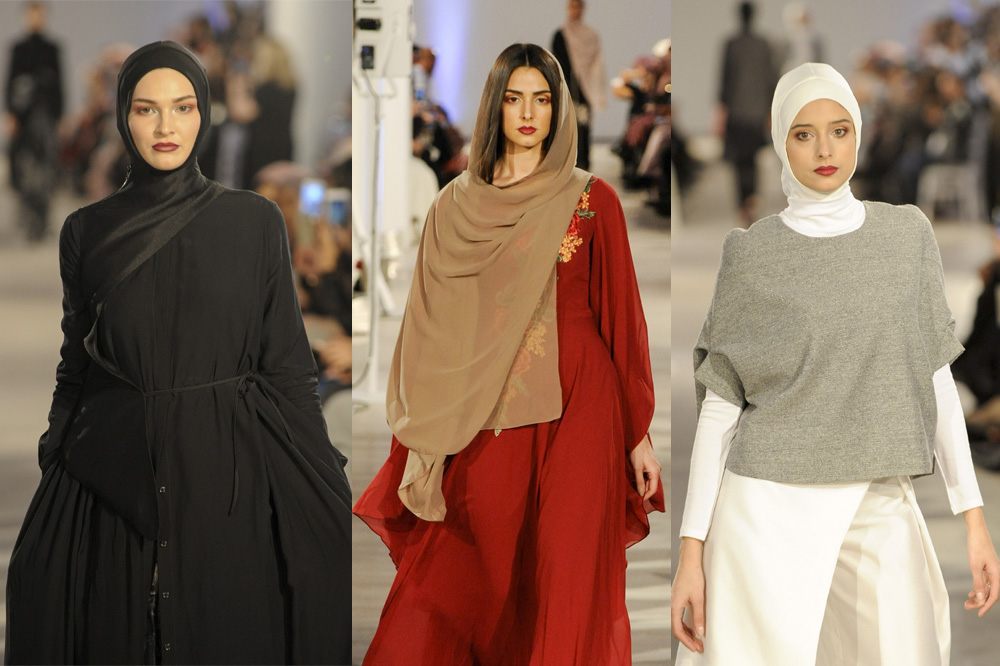
Instead of showing obedience or being restrictive, it began to show confidence. Recently, more women are choosing clothes that cover more—not because they have to, but because they want to. This is where modest fashion gets a fresh meaning. It’s no longer about hiding or shrinking away; it’s about making a choice. Wearing longer sleeves or looser clothes can be a way of saying, “I decide how I present myself.” What once felt limiting now feels like control in your own hands.
At its heart, modest fashion is about choice.
It focuses on covering, not revealing, but the real power is in the decision itself. Although it comes from many religious traditions, modest fashion has grown beyond those. Women from different backgrounds are embracing it as a way to manage how they are seen in a culture that often judges people based on how they look. In a media world that loves showing off, choosing less can feel like a small act of resistance. Some people say modest fashion helps women step away from the pressure of the male gaze and narrow beauty standards. By doing this, they take back control of how they are seen.
Scholars sometimes call this idea “modest fashion as a feminist strategy of visible restraint.”
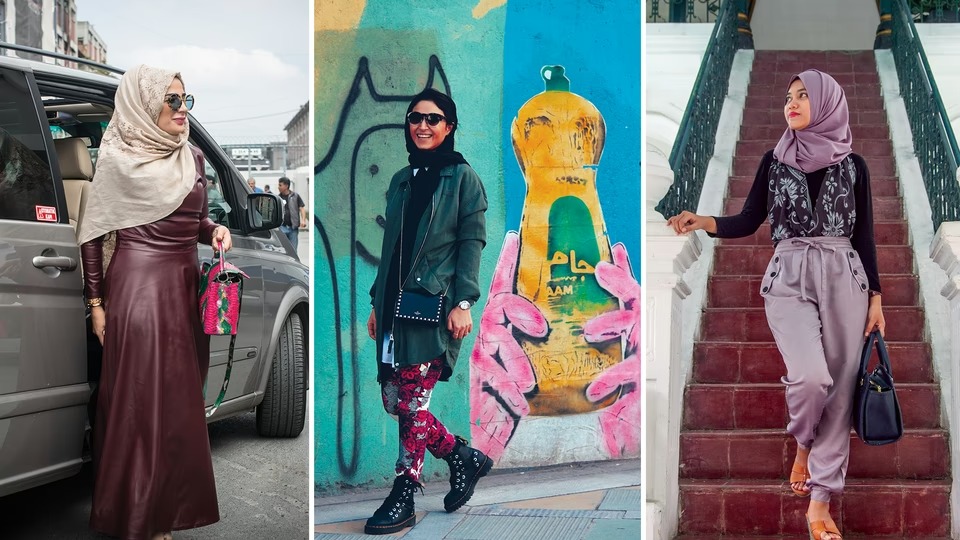
The phrase might sound complicated, but the idea is simple. Attention doesn’t always come from revealing more—it can come from choosing not to. For many Muslim women in Western societies, wearing a hijab is part of this discussion. It allows them to shape how they are seen in public spaces. As historian Shehnaz Suterwalla has pointed out, acceptance of these choices is growing. Here, modest fashion becomes a way to be seen without giving everything away, balancing privacy with being present.
Public figures have helped shift this conversation.
When Ilhan Omar wears a hijab in Congress or when Halima Aden walks on international runways, they challenge old ideas about who is welcome in powerful or glamorous spaces. These moments aren’t loud protests. They are quiet, confident examples of modest fashion in action. By simply being seen, they expand what visibility can look like and who it includes.
This conversation isn’t new.
In 1792, Mary Wollstonecraft criticized fashions that restricted women’s bodies and limited their thinking. Later, the so-called “beauty suit”—sleek hair and tight clothes—again focused on appearance over comfort. After years when revealing clothes were seen as empowerment, many women are now reconsidering that idea. Modest fashion offers another path, one where strength doesn’t depend on how much skin is shown. Instead, value comes from actions, ideas, and character.
The influence of modest fashion is also clear in communities often seen as strict or traditional.
In ultra-Orthodox Jewish settings, women designers are working within dress codes while still showing creativity. By changing hemlines, playing with color, or experimenting with fabric, they show that modest fashion isn’t fixed. It can change, adapt, and reflect personality. Similarly, designer Iman Aldebe has created professional uniforms, including for firefighters, that include hijabs. Her work shows how modest fashion can open opportunities in public roles that once seemed out of reach.
Of course, not everyone agrees on the importance of clothing choices.
Some argue that focusing on modest fashion takes attention away from bigger problems like laws, wages, or education. Others worry that fast fashion brands are using modest fashion as a marketing tool, taking away its meaning and making it just a trend. There are also concerns about tokenism, when hijab-wearing women are shown in ads without real inclusion behind the scenes. These points are important. Still, many women involved in modest fashion are not just symbols. They design, write, speak, and influence how industries work. Their presence has pushed big retailers to rethink sizing, styles, and representation.
Comfort remains a key part of this movement.
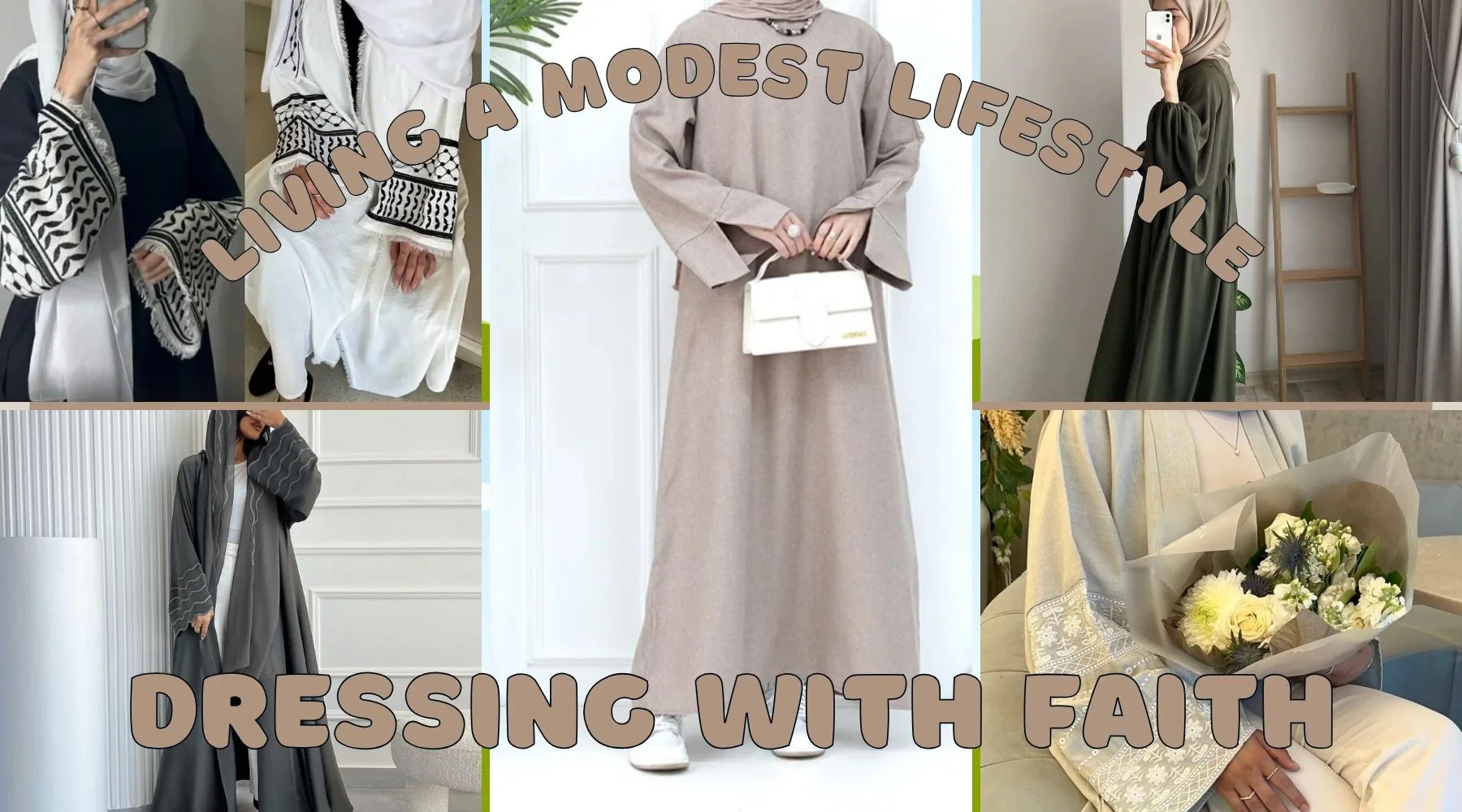
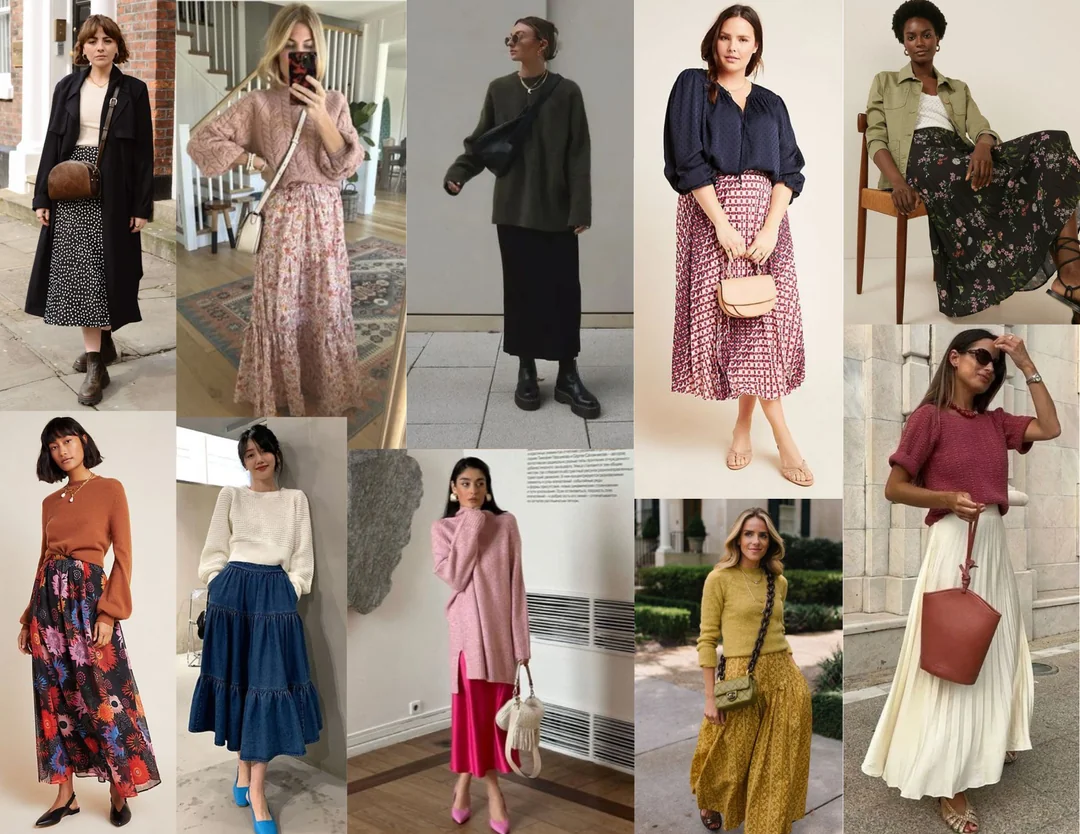
Designer Mahsa Willis often explains that when a woman dresses for herself, she thinks about ease, privacy, and confidence. This fits naturally with modern feminism. Empowerment isn’t about a specific look—it’s about feeling aligned. One day that might mean a short skirt, another day flowing fabric. Modest fashion doesn’t reject these options; it just gives more room for choice. Whether with sleeves or without, whether loose or fitted, none of it defines strength on its own.
What truly matters is the moment before getting dressed.
Choosing with intention, rather than pressure, is where empowerment starts. In this sense, modest fashion is less about rebellion and more about setting boundaries. It allows women to decide their own comfort levels and to exist without constant performance. The messages are subtle, stitched into hems and shapes rather than being shouted loudly. Yet they are powerful. Modest fashion challenges the idea that freedom has to look a certain way. It reminds us that dignity can be quiet, confidence can be covered, and autonomy can be deeply personal. Through fabric and form, women continue to claim their bodies as their own, gently but firmly, one choice at a time.

.jpg)