Humble Aesthetics in Modest Fashion: Elegant Style with Simplicity
We live in a time where everything tries to seek our attention. Phones keep beeping, screens stay on all day and night, and ads follow us from the streets to our social media feeds. Bright images, strong claims, and well-designed visuals have become the usual way of doing things. In this environment, it's hard to find calm. That's where humble aesthetics comes in, offering a fresh way to deal with everything too much.
At its heart, humble aesthetics isn't just about what's in style or how things look.
It's a way of thinking—choosing simplicity, honesty, and intention instead of noise and show. Instead of making a big impression, it quietly asks us to think. Instead of trying to impress, it focuses on what really matters. In a world that keeps telling us to add more, humble aesthetics encourages us to stop and think about what we really need.
The idea behind humble aesthetics is simple: less, but better.
It values quality over quantity and purpose over decoration. In design, this might look like clean spaces, natural materials, soft colors, and thoughtful layouts. In daily life, it could mean having fewer things but really enjoying each one. Nothing exists just to take up space; everything has a reason to be there.
This approach connects in a natural way to sustainability.
Humble aesthetics doesn’t encourage buying things quickly and throwing them away. When we choose items that are reliable, timeless, and useful, we move away from the constant cycle of buying and discarding. A strong wooden chair, a well-made coat, or a notebook that lasts for years reflects the spirit of humble aesthetics. These items grow more beautiful with time.
Beyond objects, humble aesthetics have a big impact on our mental health.
Crowding—whether physical, visual, or digital—can quietly waste our energy. Too many notifications, crowded rooms, and breathtaking designs can make us stressed and distracted. In comparison, spaces shaped by humble aesthetics feel calming. They let our minds rest and our senses breathe.
Empty space plays a big role in this.
A blank wall, a tidy desk, or a quiet corner doesn't feel empty—it feels focused. Humble aesthetics teaches us that space itself has value. It gives us room to think, reflect, and be present. Instead of constant stimulation, we get balance and calm.
This philosophy isn’t new.
Humble aesthetics has been around in different cultures and traditions as we dug into history. In Japanese culture, ideas like wabi-sabi celebrate imperfection, simplicity, and the beauty of things that age naturally. The concept of ma focuses on the importance of space and balance. These ideas connect closely with humble aesthetics, showing that simplicity has always been linked to wisdom and mindfulness.
In other cultures, functionality has always been important.
Things were made to serve a purpose first, and beauty came from usefulness. Movements like mid-century modern design followed similar ideas, focusing on function and clarity rather than decoration. Even today, humble aesthetics can be seen in simple digital designs that prioritize ease of use over flashy looks.
In modern society, choosing humble aesthetics can feel like a quiet form of control.
It goes against fast fashion, impulsive shopping, and the pressure to always upgrade our lives. It challenges the idea that our value depends on brands, trends, or social media approval. By adopting humble aesthetics, we define beauty and success on our own terms.
When applied to our homes, humble aesthetics create spaces that feel real and lived-in, rather than staged.
Instead of filling rooms with decorations, we choose things that bring us comfort and meaning. A single piece of art, a plant by the window, or a favorite chair can say more than a whole room full of unused items.
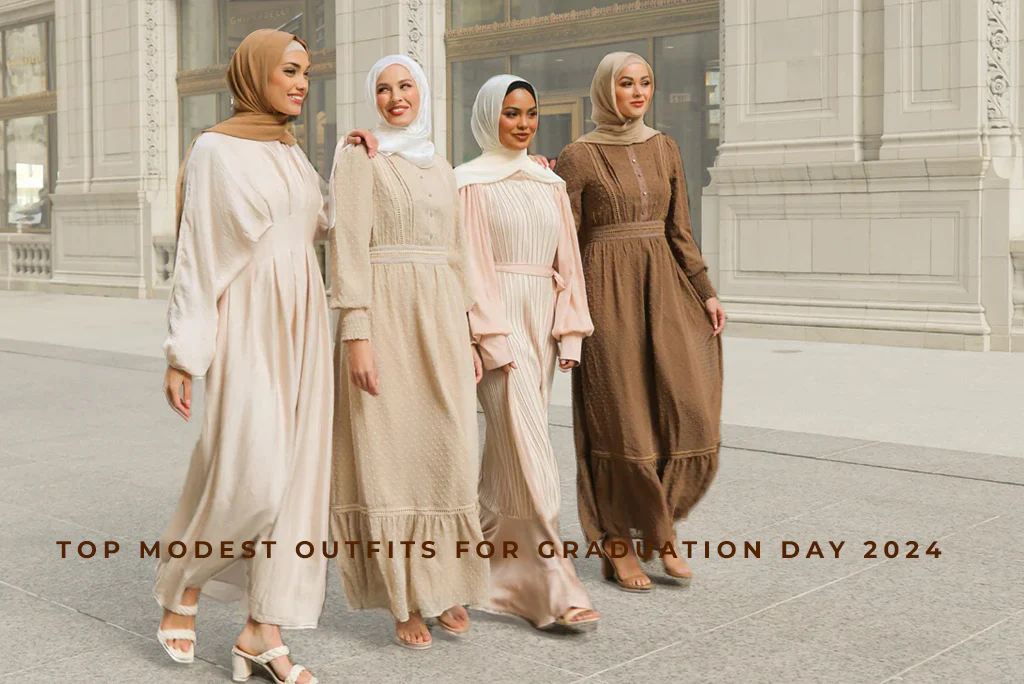
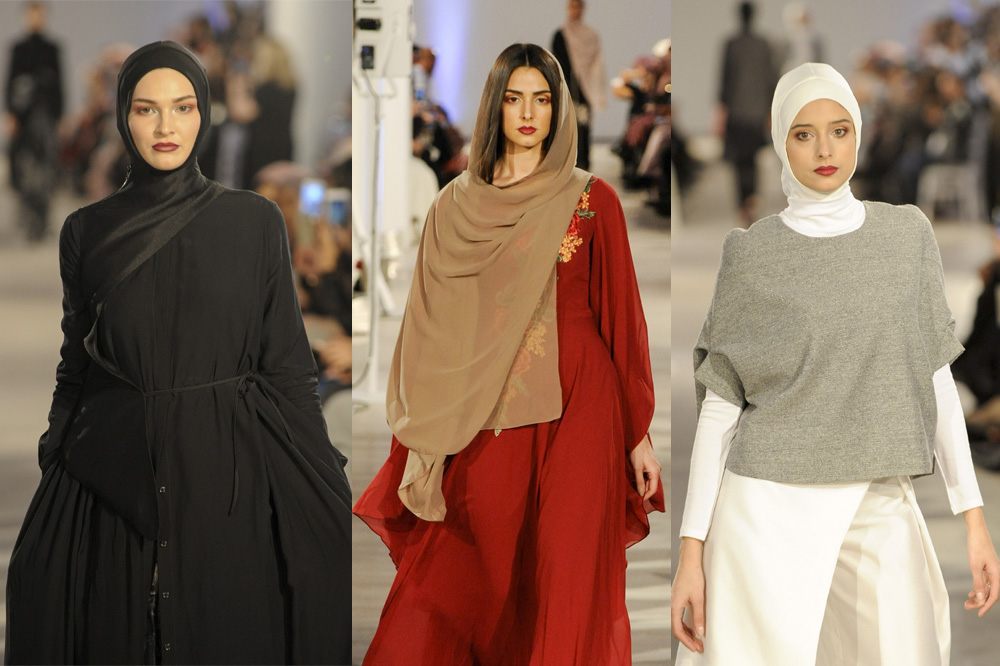
In fashion, humble aesthetics encourage thoughtful wardrobes.
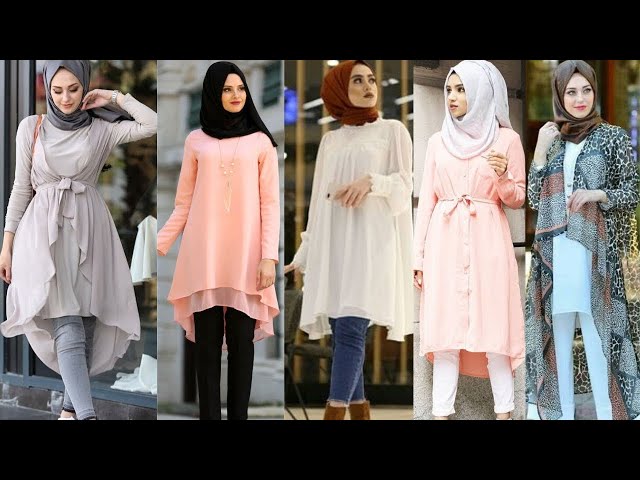
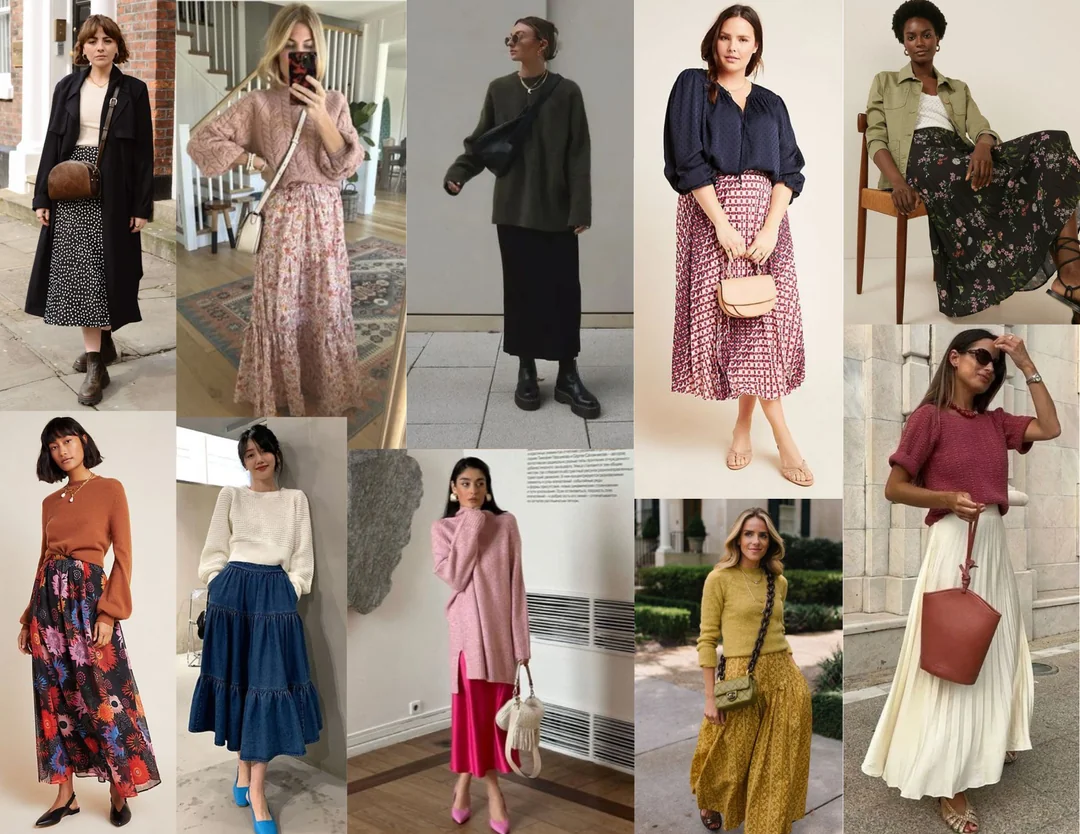
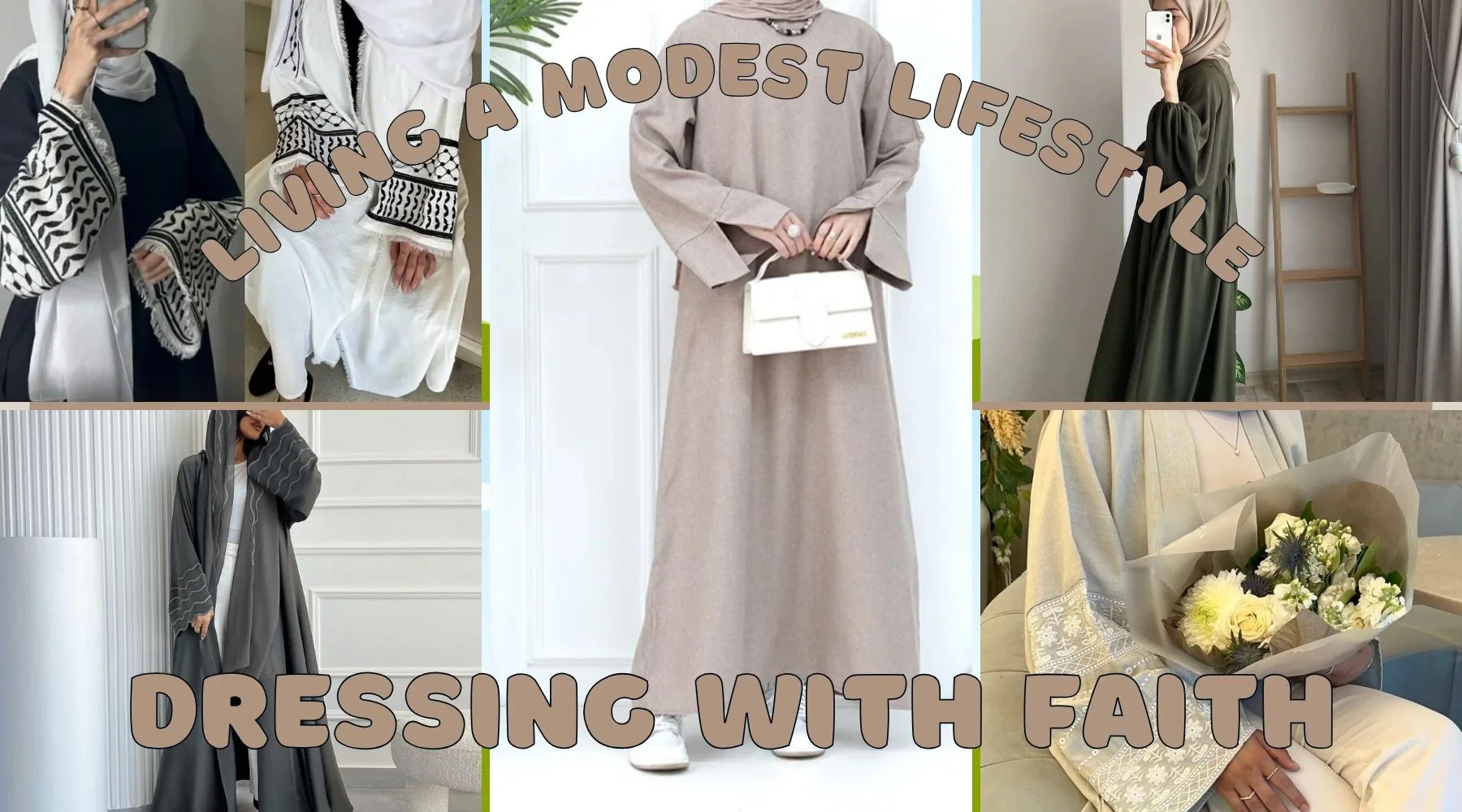
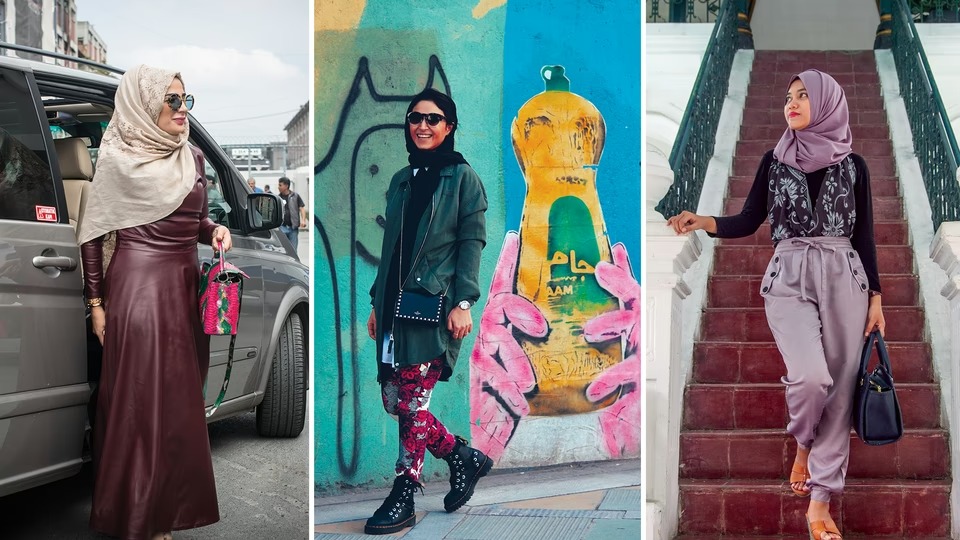
Neutral colors, strong fabrics, and timeless designs replace short-lived trends. Clothes become expressions of who we are rather than attempts to keep up with the latest styles. This approach lowers decision fatigue and helps us feel more confident and authentic.
It's important to understand that humble aesthetics isn’t about being dull or joyless.
It doesn’t reject beauty—it redefines it. Beauty is found in texture, balance, and craftsmanship. The feel of linen, the grain of wood, or the weight of a well-made tool can bring quiet satisfaction. Humble aesthetics remind us that joy doesn’t need to be loud.
The same idea applies to creativity.
Writers influenced by humble aesthetics strive for clarity rather than complexity. They choose words carefully and remove anything that doesn’t serve the message. Musicians might use a simple melody that conveys emotion rather than crowding the listener with too many layers of sound. Artists learn that removing something can be more powerful than adding more.
This creative discipline requires effort.
Simplifying means making hard choices and letting go of the extra. But humble aesthetics guides creatives toward authenticity. The final result often feels stronger, more focused, and more meaningful because nothing distracts from the main point.
On a personal level, living with humble aesthetics means making thoughtful choices.
It encourages us to ask important questions before adding something new to our lives. Does this have a purpose? Does it bring joy or comfort? Does it reflect who I am? These questions help us live with more awareness and gratitude.
Over time, humble aesthetics create a sense of balance.
Life feels less rushed, less cluttered, and more in line with our values. Instead of always wanting more, we learn to appreciate what we already have. This shift doesn’t limit us—it frees us.
In a world full of noise, humble aesthetics speak softly but powerfully.
It reminds us that space has meaning, simplicity has depth, and beauty doesn’t need to shout. By welcoming humble aesthetics into our lives, we don’t step away from the world. We engage with it more thoughtfully, creating room for calm, clarity, and purpose. And in that quiet space, we rediscover a deeper, more lasting sense of beauty.




.jpg)