What Is a Traditional IRA?
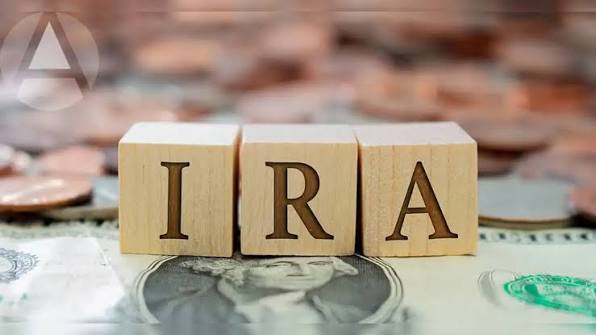
A Traditional IRA (Individual Retirement Account) is a personal savings account that lets you set aside part of your income for retirement while enjoying real tax benefits along the way. Unlike a workplace 401(k), you don't need an employer to open one — anyone with earned income can start a Traditional IRA on their own through a bank, brokerage, or insurance company such as Mutual of America.
The biggest draw is simple: money you contribute may be tax-deductible in the year you put it in, and once it's inside the account, it grows without being taxed year after year. You only pay income tax later, when you actually withdraw the funds in retirement — usually when many people fall into a lower tax bracket than during their working years.
Think of it as a container that shields your investments from the IRS's yearly bite. Stocks, bonds, mutual funds, or annuity-based investment options can all sit inside that container and compound quietly for decades.
Who Can Open One?
Eligibility for a Traditional IRA is refreshingly simple compared to most retirement accounts. If you (or your spouse) have earned income from a job or self-employment, you generally qualify. There's no age cutoff anymore, and you don't have to be covered by a workplace plan.
- Working individuals: You can contribute up to the annual limit or 100% of your compensation, whichever is smaller.
- Non-working spouses: A spousal IRA allows a working spouse to fund an account for a partner who has no income of their own.
- Self-employed workers: Freelancers and small business owners can open a Traditional IRA alongside other self-employed retirement plans.
Whether your contribution is fully deductible, partly deductible, or non-deductible depends on your income and whether you (or your spouse) are also active in an employer retirement plan.
2026 Traditional IRA Contribution Limits
The IRS reviews IRA contribution limits every year and adjusts them for inflation, though increases only happen once the inflation math clears the next round-number threshold. For 2026, the numbers are as follows:
| Category | Annual Limit |
|---|---|
| Under age 50 | $7,500 |
| Age 50 and older (with catch-up) | $8,600 |
| Catch-up contribution amount | $1,100 |
That catch-up provision exists specifically so people closer to retirement can accelerate their savings once their earning years are winding down. If you turn 50 at any point during the tax year, you're allowed the full catch-up amount for that entire year.
Why a Traditional IRA Is Worth Considering
1. Upfront Tax Break
A deductible contribution lowers your taxable income for the year you make it, which can shrink your tax bill right now — not just decades from now.
2. Tax-Deferred Compounding
Dividends, interest, and capital gains inside the account aren't taxed annually. That means every dollar of growth stays invested and keeps compounding, rather than being trimmed by taxes each year.
3. Flexible Investment Choices
Depending on the provider, you can choose from mutual funds, separate account investment options, or fixed and variable annuity contracts to match your risk tolerance and timeline.
4. A Path for Non-Working Spouses
Spousal contributions mean a household doesn't lose retirement savings momentum just because one partner isn't currently earning a paycheck.
How to Calculate Your Tax Deduction
To estimate the tax savings from a deductible contribution, multiply your contribution amount by your marginal tax rate:
Tax Savings = Contribution × Marginal Tax Rate
Example: If you contribute the full $7,500 for 2026 and sit in the 22% federal tax bracket, your immediate tax savings would be roughly $1,650 — money that stays in your pocket the same year you invest it.
Frequently Asked Questions
Q: Can I contribute to a Traditional IRA and a 401(k) in the same year?
Yes. You can contribute to both, though your IRA deduction may be reduced depending on your income if you're also covered by a workplace plan.
Q: When do I have to start withdrawing money?
Required minimum distributions currently begin once you reach the age set by federal law, so it's worth checking the latest rule that applies to your birth year.
Q: Are early withdrawals penalized?
Generally yes — withdrawals before age 59½ can trigger an early withdrawal penalty on top of ordinary income tax, aside from a few specific exceptions.
Ready to Start Saving Smarter?
A Traditional IRA is one of the simplest, most tax-efficient ways to build long-term retirement security — and the earlier you start, the more the numbers work in your favor.
Learn More About Traditional IRAs