How AI is Replacing Traditional Jobs
You know what? artificial intelligence (ai) is rapidly transforming the global workforce. What once seemed like science fiction is now a daily reality, as machines and algorithms take over tasks that were traditionally performed by humans. In 2026, AI isn't just assisting workers, it's actively replacing certain types of jobs across multiple industries.
While this shift brings efficiency and innovation, it also raises concerns about job security and the future of work. Understanding how AI is replacing traditional jobs can help individuals and businesses prepare for the changes ahead.
The Rise of AI in the Workplace
AI has evolved far beyond simple automation. Today’s AI systems can analyze data, recognize patterns, make decisions, and even communicate with humans. Technologies like machine learning, natural language processing, and robotics are enabling businesses to streamline operations and reduce reliance on human labor.
Companies are adopting AI because it offers several advantages:
- Faster performance
- Lower operational costs
- 24/7 availability
- Reduced human error
As a result, many repetitive and predictable jobs are being replaced by AI-powered systems.
Jobs Most Affected by AI
Not all jobs are equally at risk. AI is particularly effective at handling routine, rule-based tasks. Here are some of the most affected sectors:
1. Customer Service
AI chatbots and virtual assistants are replacing traditional customer support roles. These systems can handle thousands of queries simultaneously, providing instant responses without the need for human agents.
2. Data Entry and Administrative Work
Tasks like data entry, scheduling, and document management are increasingly automated. AI tools can process large amounts of information quickly and accurately, reducing the need for administrative staff.
3. Manufacturing and Factory Jobs
Robots have been used in manufacturing for years, but modern AI-powered machines are more advanced. They can adapt to new tasks, detect defects, and improve production efficiency with minimal human intervention.
4. Retail and Cashier Jobs
Self-checkout systems and AI-powered inventory management are reducing the need for cashiers and store assistants. Online shopping platforms further decrease reliance on physical retail staff.
5. Transportation and Delivery
With the development of autonomous vehicles, jobs like truck driving and delivery services are at risk. Although full automation is still evolving, the shift has already begun.
How AI is Changing Job Roles (Not Just Replacing Them)
It’s important to note that AI isn't only eliminating jobs, it's also transforming them. Many roles are evolving rather than disappearing completely.
For example:
- Customer service agents are becoming AI supervisors, handling complex queries that bots can't solve
- Marketers are using AI tools for data analysis and campaign optimization
- Healthcare professionals are leveraging AI for diagnostics and patient care
This means that while some jobs are lost, new opportunities are also being created.
New Jobs Created by AI
As AI replaces traditional roles, it also creates demand for new skills and professions. Some emerging job roles include:
- AI specialists and machine learning engineers
- Data analysts and data scientists
- AI ethics and compliance experts
- Automation consultants
- Cybersecurity professionals
These roles require technical knowledge and adaptability, highlighting the importance of continuous learning in the modern workforce.
The Skills Needed to Stay Relevant
To survive and thrive in an AI-driven world, workers must focus on skills that machines can't easily replicate. These include:
1. Critical Thinking
What's interesting is ai can process data, but human judgment is still essential for complex decision-making.
2. Creativity
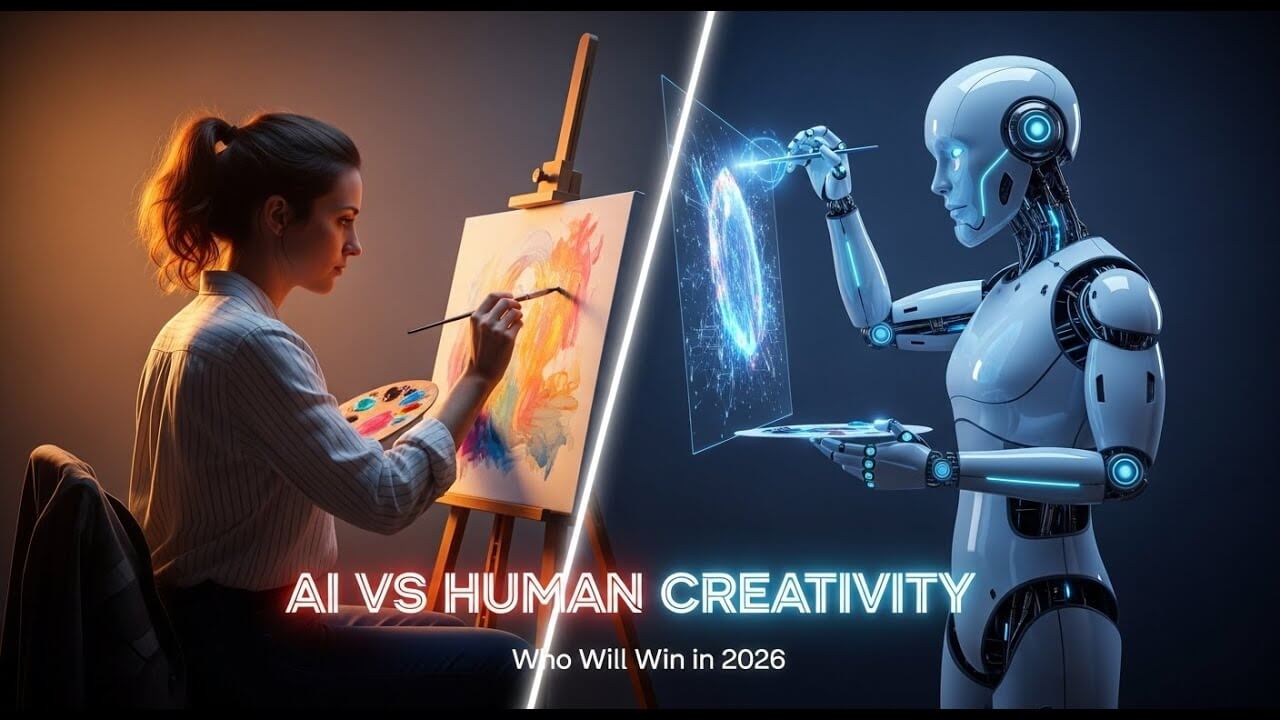
Creative tasks such as design, storytelling, and innovation remain largely human-driven.
3. Emotional Intelligence
Jobs that require empathy, communication, and relationship-building are less likely to be replaced by AI.
4. Technical Skills
Understanding AI tools, data analysis, and digital systems can give workers a significant advantage.
5. Adaptability
The ability to learn new skills and adapt to changing technologies is crucial in today’s job market.
The Impact on Businesses
For businesses, AI offers both opportunities and challenges. On one hand, it increases efficiency, reduces costs, and improves productivity. On the other hand, it requires investment in technology and workforce training.
Companies must strike a balance between automation and human talent. Over-reliance on AI can lead to a lack of human touch, which is still important in areas like customer experience and leadership.
Ethical and Social Concerns
The replacement of traditional jobs by AI also raises important ethical questions:
- What happens to workers who lose their jobs?
- How can governments support workforce transitions?
- Should there be limits on automation?
Many experts believe that policies such as reskilling programs, education reform, and social safety nets are essential to address these challenges.
The Future of Work
The future of work will likely be a collaboration between humans and AI rather than a complete replacement. Jobs will become more technology-driven, and workers will need to adapt to new roles and responsibilities.
Here's what I found instead of fearing ai, individuals should focus on leveraging it as a tool to enhance their capabilities. Businesses, meanwhile, must invest in both technology and people to ensure sustainable growth.
Final Conclusion
AI is undeniably reshaping the job market in 2026. While it's replacing many traditional jobs, it's also creating new opportunities and transforming existing roles. Actually, the key to success in this evolving world lies in adaptability, continuous learning, and embracing change.
Rather than viewing AI as a threat, it should be seen as a powerful force that can drive progress, provided we're prepared to evolve with it.