Forex Trading: Complete Guide to Foreign Exchange Markets
Understanding the Global Currency Network
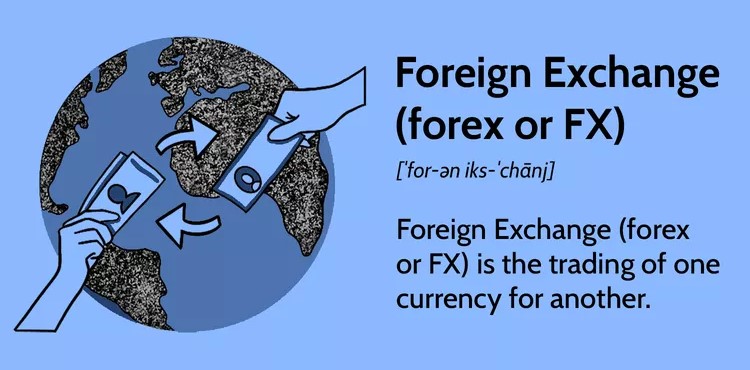
Money moves between countries every single day, linking economies across continents. This system has a name — forex — and it quietly supports international trade, travel, and investment. Whenever people need to exchange one currency for another, they rely on forex to make that transfer possible. Unlike stock markets that close after working hours, forex never sleeps. Trading passes smoothly from Tokyo to London to New York, keeping global money flows active at all times.
Why Currency Exchange Matters
People exchange currencies for many reasons. Buying goods from overseas, traveling abroad, studying in another country, or investing across borders all depend on forex. Even governments and large institutions use forex to manage reserves and stabilize their national currencies. Without this system, cross-border commerce would slow down dramatically, disrupting global supply chains and everyday life.
The Size and Power of the Forex Market
One reason forex attracts attention is its sheer size. Trillions of dollars move through the forex market each day, making it far larger than stock or commodity markets. This massive volume creates high liquidity, meaning trades usually happen quickly without sharp price disruptions. Buyers and sellers rarely have to wait, allowing businesses and investors to adjust plans almost instantly.
Key Participants in Forex Trading
Many players operate within forex. Central banks step in to influence currency strength or protect foreign reserves. Commercial banks conduct large transactions for clients while also trading for themselves. Multinational companies use forex to manage currency risk when operating in multiple countries. Individual traders also participate, using online platforms to try to benefit from currency price movements. Together, these participants form a tightly connected financial web.
Economic Forces Behind Currency Values
Currency prices in forex react strongly to economic information. Data such as employment figures, inflation rates, interest decisions, and economic growth all influence how strong a currency appears. When an economy performs well, confidence rises and demand for its currency often increases. Political instability or weak data can have the opposite effect, causing exchange rates in forex to shift rapidly as sentiment changes.
Trading in Currency Pairs
In forex, trading always happens in pairs. Buying one currency automatically means selling another. Major currency pairs often involve nations with stable financial systems and strong economies. Even small price movements matter because large sums of money are involved. Understanding how pairs interact is essential for anyone navigating forex markets effectively.
Technology and Market Access
Years ago, forex trading was limited to banks and large institutions. Today, technology has opened access to individuals worldwide. Online platforms provide real-time charts, news, and analytical tools once reserved for professionals. While this access increases opportunity, it also raises competition. Quick reactions and informed decisions have become more important than ever in modern forex trading.
Risk Management and Smart Participation
Although forex offers opportunity, it also carries risk. Prices can change within seconds as news breaks or emotions shift. Traders who succeed in forex often focus more on managing losses than chasing fast profits. Careful planning, discipline, and patience usually outperform impulsive decisions. Knowledge and preparation remain the strongest defenses against costly mistakes.
How Forex Affects Everyday Life
Changes in forex rates quietly influence daily expenses. Exchange rates affect grocery prices, fuel costs, tuition fees abroad, and the price of imported goods. A strong currency can make imports cheaper, while a weaker one may boost exports. Governments monitor forex movements closely because sharp shifts can impact jobs, inflation, and economic stability.
Regulation and the Future of Forex
Because forex operates across borders, regulation varies from country to country. Maintaining fairness and preventing fraud becomes more challenging as digital platforms expand. Clear rules and ethical behavior help preserve trust in the forex system. Looking ahead, digital currencies, evolving trade patterns, and financial innovation will continue to reshape how forex functions.
Conclusion:
Forex as Global Infrastructure
At its core, forex is not gambling but financial infrastructure. It keeps money moving smoothly across nations, supporting global business, investment, and economic balance. Always active and constantly evolving, forex remains essential to the modern world. Those who take time to understand its mechanics begin to see how deeply connected global economies truly are.