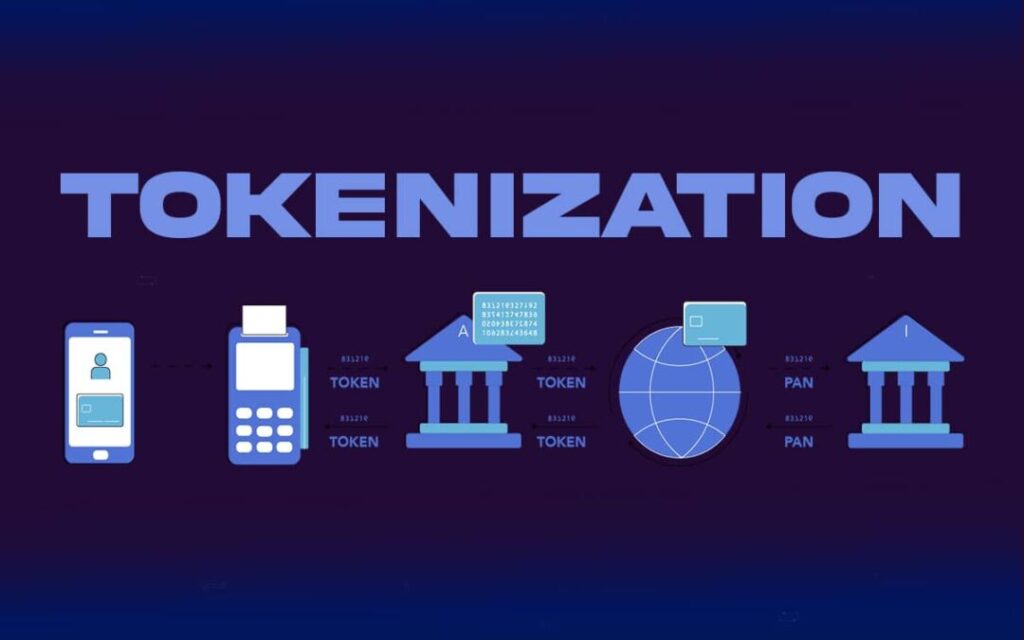
In the shifting realm of contemporary finance, few ideas have sparked as much interest as tokenization. Fundamentally, it involves transforming ownership rights of an asset into a digital token, which can be securely recorded, transferred, and traded on a blockchain network. Though it began primarily with cryptocurrencies, tokenization has quickly permeated various fields, reshaping the ways in which value is represented, managed, and exchanged.
The primary attraction of tokenization stems from its capacity to connect conventional financial systems with digital advancements. By digitizing both physical and non-physical assets—ranging from real estate and artwork to shares of a company and intellectual property—tokenization provides an unmatched level of flexibility and liquidity. Historically, selling portions of tangible assets has been challenging and often out of reach for smaller investors. In contrast, tokenization simplifies fractional ownership, making it accessible to a much larger demographic.
One of the most notable benefits of tokenization is its potential to democratize investment access. For a long time, real estate has been regarded as a domain reserved for affluent individuals. Tokenization enables the division of a single property into hundreds or even thousands of tokens, allowing numerous investors to acquire a share. This approach not only boosts accessibility but also fosters a more inclusive financial landscape. Moreover, it streamlines the transfer and trading of these tokens, frequently at lower costs than traditional options.
Tokenization also brings about enhanced transparency and security. The blockchain technology that supports many tokenization projects ensures a permanent record of all transactions. Each transfer of tokens is documented and can be verified, significantly minimizing the potential for fraud and conflicts. Additionally, tokenization can simplify compliance and regulatory frameworks. Smart contracts—automated contracts based on blockchain technology—ensure that established conditions are followed without requiring extensive administrative efforts, thereby reducing the likelihood of mistakes.
Beyond finance, the influence of tokenization is being felt in various sectors, including art, music, and gaming. Non-fungible tokens (NFTs), a specific type of tokenization, signify unique digital possessions that cannot be duplicated. Artists are able to tokenize their works, directly sell them to collectors, and even receive automatic royalties through smart contracts whenever the token changes ownership.
In the realm of gaming, tokenization permits players to possess in-game items, trade them freely, or utilize them across different platforms. This boosts both user engagement and monetization potential while granting players real ownership of digital assets.
Despite its advantages, tokenization does face hurdles. Regulatory structures are still evolving, and the lack of clarity can impede widespread adoption. While tokenization can broaden access to assets, investors must remain cautious of inherent risks such as price volatility, cybersecurity threats, and potential liquidity challenges. Conducting thorough research and collaborating with trustworthy platforms is essential.
From a broader economic perspective, tokenization holds significant promise in transforming established markets. By converting physical assets into digital forms and allowing shared ownership, it can increase market participation, enhance liquidity, and reduce transaction costs. Financial institutions, including banks and investment firms, are actively exploring tokenization to optimize operations and unlock new opportunities.
Tokenization also aligns with the broader movement of digital transformation. As economies become increasingly digitized, the demand for secure, verifiable, and transferable digital assets continues to grow. Tokenization offers a framework that integrates seamlessly with modern digital systems, representing more than a financial trend—it signals a fundamental shift in how assets are perceived and utilized.
The environmental impact of tokenization also deserves consideration. While blockchain-based systems improve efficiency, energy-intensive networks—particularly proof-of-work models—pose sustainability concerns. However, the industry is progressing toward greener alternatives such as proof-of-stake and low-energy consensus mechanisms.
Furthermore, tokenization promotes global connectivity. Unlike traditional financial markets constrained by geography, tokenized assets can be accessed and traded worldwide. This global reach enhances financial inclusion, especially in regions with limited investment opportunities, enabling broader participation in wealth creation.
Education and awareness play a vital role in tokenization’s growth. Many individuals and organizations still lack a clear understanding of how tokenization works and its potential benefits. Educating investors, regulators, and creators through workshops, online courses, and industry collaborations will be crucial for building trust and encouraging responsible adoption.
In conclusion, tokenization represents a powerful force of change across finance and beyond. By converting tangible assets into digital tokens, it improves liquidity, transparency, and accessibility while creating new investment and revenue opportunities. Despite regulatory and security challenges, its long-term potential remains immense.
Across financial markets, creative industries, and digital economies, tokenization signifies more than technological innovation—it reflects a shift toward a more inclusive, efficient, and interconnected future. Those who adopt tokenization early, while staying mindful of its risks, are well-positioned to benefit in the years ahead.