The 7 P’s in Banking: A Complete Marketing Mix Explained
In today's rapidly growing and highly competitive financial world, banks can't just rely on old ways of doing business anymore. Customers are more informed, connected, and have higher expectations than ever before. Simultaneously, there's more regulation and faster technology changes, which means banks need to think differently about how they work and serve their customers. To handle these challenges, banks must have a strong and well-planned marketing plans. One useful outline for this is the 7 P's marketing mix, which gives a complete picture of how to design, deliver, and communicate services more efficiently.
The 7 P's were developed from the traditional 4 P's and are especially useful for service-based industries like banking, where the customer experience is key.
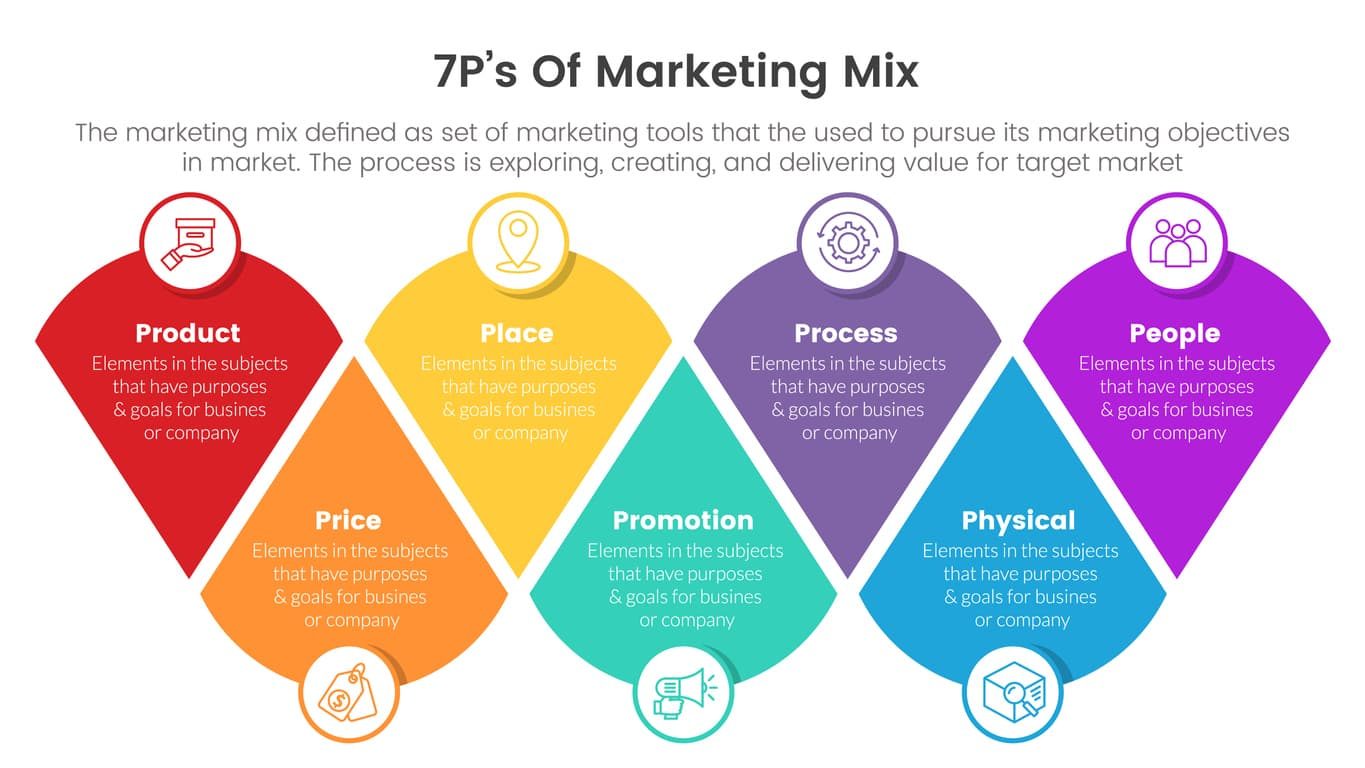
The 7 P's stands for—Product, Price, Place, Promotion, People, Process, and Physical Evidence. These 7 P's work together to build trust, improve customer relationships, and help banks grow ultimately. When this model is used properly, it helps banks match their internal operations with what customers expect.
In the 7 P's, Product refers to all the financial services a bank offers.
These include savings and checking accounts, loans, credit cards, insurance, investment options, and digital banking tools. Since services are hard to see, customers often judge them based on how reliable, convenient, and valuable they feel. To stay competitive in the market, banks must keep updating and improving their services. The 7 P's encourage banks to make products that fit customer needs, like flexible loan options or easy-to-use mobile banking apps. A good product strategy helps banks stand out and stay useful in a busy market.
Price is another important part of the 7 P's because it plays a big role in what customers decide.
Pricing includes interest rates, fees, charges, and penalties. Today's customers are very price-sensitive and often compare multiple banking options before choosing one. When using the 7 P's, banks must follow one major rule that is the need to balance making a profit with being fair. Clear and honest pricing builds trust, which is key for long-term banking relationships. Competitive rates, simple fee structures, and no hidden charges help banks attract and keep customers while keeping a good reputation.
Place refers to the ways banks deliver their services.
Previously, place mainly meant physical branches, but now it includes online banking, mobile apps, ATMs, and digital support. The 7 P's show how important it is for customers to feel that services are easy to access and convenient. In today's digital world, banks need to make sure the experience is smooth and consistent across all service channels. By managing this part well, banks can reach more customers and provide good service, whether they prefer visiting a branch or using online tools.
Promotion is key in the 7 P's framework for sharing the value of banking services.
In banking, promotion includes advertising, public relations, social media, and educational programs. It's not just about getting new customers but also helping existing ones understand complex financial products. Good promotion strategies increase brand awareness and build trust. The main focus of the 7 P's is on the need for honest, clear, and ethical communication. Marketing that focuses on security, convenience, and customer benefits helps banks become more competitive.
People are one of the most important parts of the 7 P's, especially in banking where customer interactions happen all the time.
Employees show the bank's values, professionalism, and commitment to good service. A skilled and motivated team greatly improves the customer experience and builds lasting relationships. As the 7 P's highlight, investing in employee training, motivation, and customer service skills leads to higher satisfaction and loyalty. In a service-driven industry, the people working at a bank often decide whether it succeeds or fails.
Process refers to the methods and systems used to provide banking services.
From opening an account to approving loans and handling complaints, these processes affect how customers recognize the bank. The 7 P's highlight the need for efficiency, consistency, and honesty. Properly designed procedures reduce delays, lower errors, and improve service quality. By improving process management in line with the 7 P's, banks can build more customer trust and run more efficiently, especially as new technologies come along.
Physical Evidence includes all the noticeable elements that shape how customers see banking services.