Bankruptcy in Business: Causes, Types & Legal Process
When most people hear the word bankruptcy, they often think of the worst possible situations: empty stores, homes being taken away, bad credit, and personal failure. It can feel like the end, heavy and final. But in truth, bankruptcy isn't just about losing everything. It's a legal process meant to help people and businesses take a break, reset, and move forward when debt becomes too much to handle.
At its heart, bankruptcy comes from the fact that financial problems can't always be avoided.
Medical issues, sudden job loss, business struggles, or personal crises can throw even the best-laid plans off track. The law understands this and offers a way to manage overwhelming debt instead of letting it get worse and worse. When you look at bankruptcy without judgment, it's not just about failure—it's about survival and getting back on your feet.
In the United States, bankruptcy is controlled by federal law through the U.S. Bankruptcy Code and handled by special courts.
These courts step in when people or businesses can't pay their debts. The goal is to help those in debt while also making sure creditors are treated fairly. This system brings order to financial problems instead of letting things get out of control.
One of the main purposes of bankruptcy is to give people a fresh start.
Carrying unpayable debt for years hurts both individuals and creditors. It drains people emotionally and financially while making it hard for creditors to get their money back. By reducing or removing debts, bankruptcy brings balance back to the economy. People can then work, spend, and contribute again instead of staying stuck in financial trouble.
For individuals, going through bankruptcy is usually a result of a major life event.
A serious illness, losing a job, or a divorce can quickly turn manageable bills into overwhelming debt. Filing for bankruptcy can feel very personal and even shameful because it touches on responsibility and trust. Still, many people reach this point not because they made bad choices, but because of things beyond their control.
Most people choose between Chapter 7 and Chapter 13 bankruptcy.
Chapter 7 is also called "liquidation" or "fresh start" bankruptcy. In this process, a court-appointed person looks at your assets and may sell non-essential items to pay creditors. After that, most of your debts are cleared. While the relief is quick, it can hurt your credit for years, making it harder to get loans.
Chapter 13 bankruptcy is different.
Instead of clearing debts all at once, it focuses on reorganizing. If you have a steady income, you can create a plan to pay back your debts over a period of three to five years. This is often chosen by people who want to keep important assets, like their home or car. Once the plan is approved, it creates a clear, manageable plan for the future. It's not easy, but it offers a way forward instead of giving up.
Bankruptcy can look very different for businesses.
For companies, it can be a way to keep going instead of closing for good. Chapter 11 bankruptcy lets businesses keep operating while they reorganize their debts. Courts help oversee the process, giving companies time to change contracts, cut costs, and get new money. Many big companies have used Chapter 11 to recover and come back stronger.
However, not all businesses can recover.
If a company files for Chapter 7 bankruptcy, it shutters permanently. A court-appointed person sells all the company's assets, and the money is given out to creditors based on set rules. Once it's over, the company no longer exists. The impact can be huge, affecting employees, suppliers, and the whole community that depended on the company.
Bankruptcy also has a big emotional impact.
Many people feel ashamed or defeated, thinking they've failed at something basic. This mindset can delay them from seeking help. Unfortunately, waiting too long can limit their choices and increase stress. But attitudes are slowly changing as more people recognize that financial problems are often due to bigger systems, not personal failings.
Economic pressures like higher healthcare costs, rising housing prices, and inflation make it harder to avoid debt.
As a result, bankruptcy is seen more as a safety net rather than a sign of weakness. Laws are in place to prevent total financial collapse and help people rebuild with dignity.
The effects of bankruptcy don't go away overnight.
A Chapter 7 filing stays on a credit report for ten years, while Chapter 13 stays for seven. During that time, getting credit can be harder, and interest rates may be higher. Still, the benefits are often immediate. Without crushing debt, people can save, budget better, and make smarter financial choices.
Rebuilding after bankruptcy takes discipline.
It's a beginning, not the end. Learning from past mistakes, building an emergency fund, and using credit carefully are essential steps toward long-term stability. Without these changes, old habits can come back.
From a bigger picture, bankruptcy plays an important role in a healthy economy.
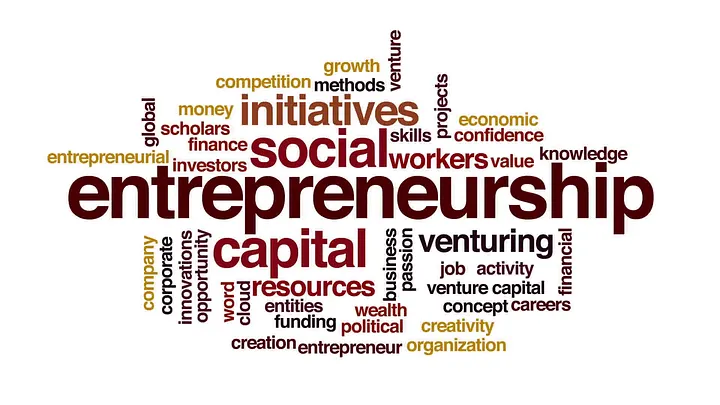
It helps free up resources so they can be used better elsewhere. It also encourages innovation by letting entrepreneurs take risks, knowing that failing doesn't mean they're ruined for good. Without bankruptcy laws, economic growth would slow, and lending would become more difficult.
In the end, bankruptcy isn't a single story—it's a collection of many stories.
It involves law, emotion, economics, and human strength. While it's painful, it gives a structured way out of overwhelming debt and a chance to start again. Failure is acknowledged, but recovery is built into the system. And sometimes, that second chance is exactly what makes progress possible.