Online Shopping: Transforming Modern Business and Consumer Behavior
Over the past 20 years, the way we buy things has changed a lot. In the past, shopping meant going out on long trips to crowded stores, planning ahead, and sometimes waiting in long lines. But now, almost anything we want is just a click away—whether we're at home, at work, or using our phones. This big change is all thanks to online shopping. It's not just about being convenient anymore—it has changed how we shop, how businesses work, and even how we live our daily lives.
The history of online shopping goes back further than most people realize.
The earliest steps started in the 1960s with something called electronic data interchange, which allowed businesses to send transaction information electronically. However, online shopping as we know it didn't reach everyday people until 1994, when someone bought a Sting CD online through a platform called NetMarket. Back then, the internet was slow, security wasn't very strong, and websites weren't very user-friendly. But the idea was revolutionary: shopping should be possible anytime, anywhere, without being tied to a physical store. Early online shoppers were like explorers, trying out a brand-new digital world where stores existed on screens and choices seemed almost limitless.
What started as a fun idea soon became part of everyday life.
The widespread availability of faster internet and smartphones turned online shopping into a mobile and immediate experience. People could shop anytime, anywhere, even during a short coffee break or while commuting. Secure payment options like PayPal helped build trust, which was essential for online shopping to grow. Big companies like Amazon and Alibaba created simple platforms, making it easy to order almost anything—from groceries to electronics—with fast and reliable delivery.
Online shopping has changed more than just convenience—it has changed how we think and act as shoppers.
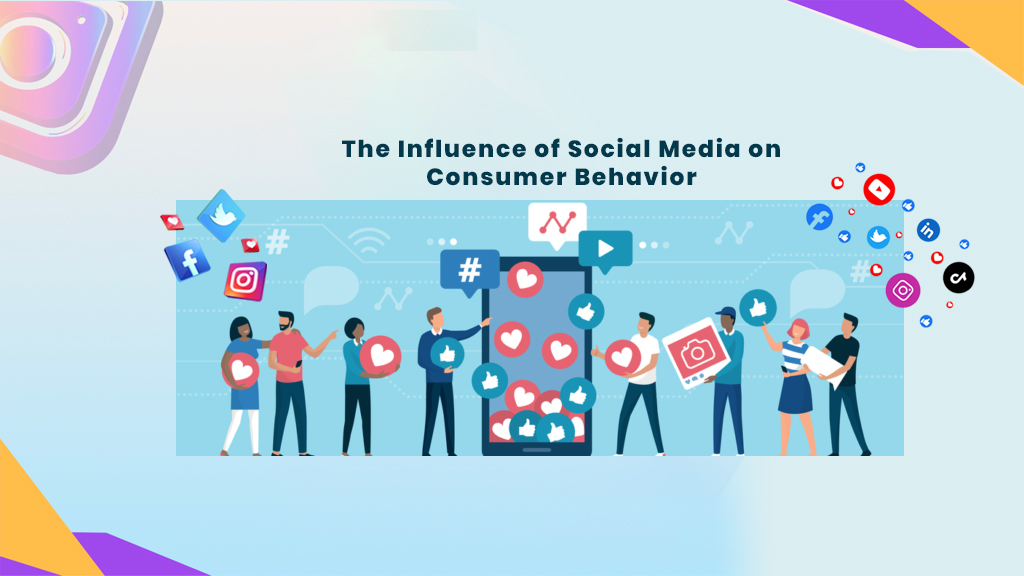
Now, someone living in a small town has access to the same variety of products as someone in a big city. We can read reviews, compare prices, and get recommendations before making a purchase. Shopping has also become more social: we watch unboxing videos, read comments, and check social media for advice before buying. Special shopping days like Black Friday and Cyber Monday, along with the excitement of tracking a delivery, have become modern online shopping traditions. Fast shipping has made waiting almost irrelevant, and expectations for next-day or same-day delivery are now the norm.
For businesses, online shopping presents both challenges and opportunities.
Traditional stores face a tough reality—sometimes called the "retail apocalypse"—if they don't adapt to digital trends. On the other hand, online shopping has opened new doors for small businesses, local artists, and independent sellers. Platforms like Etsy and Shopify allow sellers to reach a global audience without needing a physical store. Data is extremely valuable: every click, search, and purchase helps companies plan marketing, manage inventory, and personalize the online shopping experience. Many businesses now use an "omnichannel" approach, combining online and physical stores, offering options like "buy online, pick up in-store," or hassle-free returns for online orders.
Of course, online shopping is not without its downsides.
There are significant environmental costs, including delivery trucks, air shipping, and excess packaging waste. Easy returns, while convenient, often increase this waste. Employment has also changed: jobs in warehouses, tech, and logistics are growing, but traditional retail jobs are declining, affecting local communities. Impulse buying and overconsumption are other concerns, leading to more waste and personal debt. In addition, the data generated through online shopping raises privacy issues, as companies collect detailed information about our preferences, habits, and purchase histories.
Looking to the future, online shopping will keep changing.
Artificial Intelligence is going beyond simple product suggestions, powering chatbots, personalized recommendations, and voice shopping through smart devices. Augmented Reality may let consumers "try on" clothes, see furniture in their own rooms, or preview paint colors virtually before buying. The metaverse hints at fully immersive online shopping environments, where people can explore digital stores in ways we've never seen before. Sustainability is likely to play a bigger role, too. Consumers are becoming more conscious of eco-friendly packaging, carbon-neutral shipping options, and transparency in supply chains, and businesses are responding to these expectations.
Ultimately, online shopping is more than just a way to buy things.
It has become a cultural, social, and economic force that affects how we live, what we expect from businesses, and how companies operate. While it brings challenges—environmental, social, and ethical—it also offers incredible opportunities. From the first CD purchased online to the immersive digital storefronts of the future, online shopping proves that even the simplest click can start a big change.
Online shopping has reshaped habits, set new expectations, and created conveniences we now take for granted.
It has made the world smaller by connecting buyers and sellers across continents. It has made shopping faster, easier, and more informed, and it has opened doors for countless entrepreneurs and small businesses to reach audiences they never could before. As technology continues to advance, online shopping will only become more seamless, personalized, and integrated into our daily lives.
In the end, online shopping is no longer just an alternative—it's a vital part of how we live, shop, and interact with the world around us.
From quick purchases to elaborate virtual experiences, online shopping is here to stay, shaping the future of commerce one click at a time.