Impact of social media marketing on consumer behavior
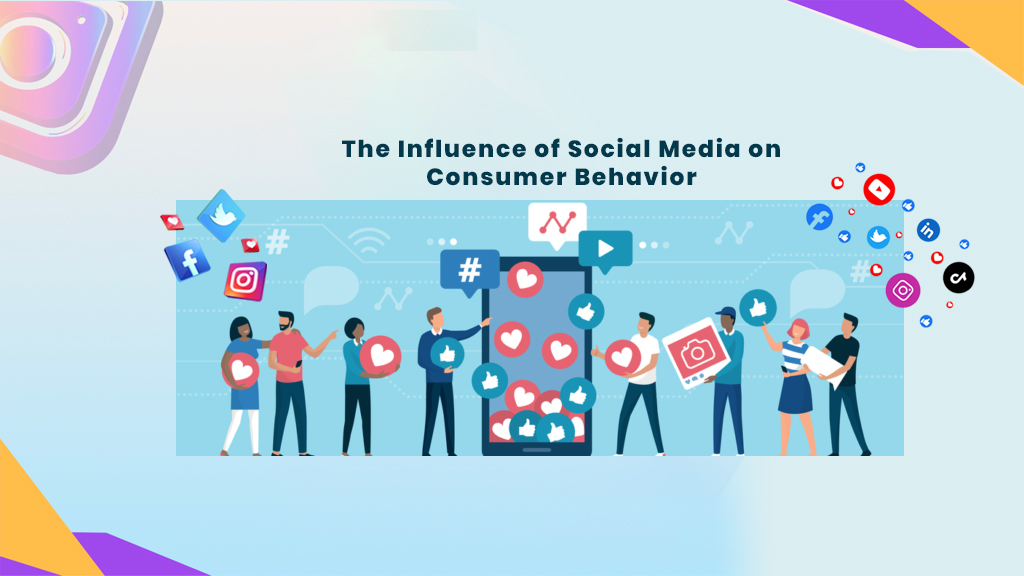
Social media marketing is now a main part of how companies connect with their audience these days. Its effect is bigger than just regular ads and it plays a huge role in how people decide what to buy, no matter their age or background. Companies now know that understanding how social media affects people's buying choices is important for building trust, increasing sales, and helping people choose what they buy.
Social media marketing uses platforms like Facebook, Instagram, Twitter, LinkedIn, and TikTok to promote products and services.
Unlike traditional marketing, it allows brands to reach customers in a more personal way, creating experiences that involve interaction instead of just showing ads. This helps change how people behave because instead of just watching, people now actively take part by commenting, sharing, and giving their views.
One big way social media marketing affects buying decisions is by increasing brand awareness.
Through targeted ads, sponsored posts, and working with influencers, brands can reach the right people. When people keep seeing these messages, they start to recognize the brand and might feel influenced when making a purchase. For example, someone who often sees a brand online might start to like it, which can make them more likely to buy something they need.
Social media also shapes how people feel about products and what they like.
On these platforms, users can read reviews, watch videos, and see what others think about a product. Studies show that seeing others use or recommend a product can strongly influence what people choose to buy. When people see friends, family, or influencers interacting with a brand online, it can make them want to do the same. Campaigns that use customer reviews or influencer support can have a strong effect on how people act.
Another way social media marketing influences behavior is through personalized content.
These platforms collect a lot of data about users, like their interests and habits. Brands use this to create messages that match what people like. This makes consumers more interested because they respond better to things that feel relevant to them. The result is more people making purchases and being loyal to the brand.
Social media also helps brands build communities, which can directly affect consumer behavior.
Online groups let people share experiences, give feedback, and talk about products. Brands that join in these spaces can build trust and encourage positive actions. For example, when a company responds quickly to questions or handles complaints on social media, it shows they care. These qualities often make people more likely to buy from the brand. Community interactions make social media marketing more effective because people often make choices based on what others say instead of just ads.
Impulse buying is another area where social media marketing makes a difference.
Features like swipe-up links, buy-now buttons, and limited-time offers create a sense of urgency. These tactics appeal to how people think, making them act quickly instead of comparing options. So, social media marketing can speed up buying decisions.
Social media marketing also influences how people see and feel about a brand.
Regular interaction with a brand on these platforms keeps it visible and relevant. Content that entertains, teaches, or inspires builds emotional connections. When people feel connected to a brand, they are more likely to be loyal, buy again, and recommend it to others. This shows that social media marketing has a lasting effect on how people behave over time.
The interactive nature of social media marketing affects behavior through feedback.
Likes, shares, and comments give brands insights into what people like. Marketers can use this data to improve campaigns, fix issues, and enhance the user experience. Consumer behavior is shaped not just by ads, but by continued interaction. The relationship between social media marketing and consumer behavior is ongoing: marketing influences behavior, which gives marketers more information to improve future campaigns.
Visual appeal is another key factor.
Platforms like Instagram and Pinterest focus on eye-catching content, so brands create visually pleasing campaigns. Research shows that visually engaging content captures attention, stirs emotions, and helps people remember more. When people are both visually and emotionally involved, they are more likely to take action, like clicking a link, signing up for a service, or making a purchase.
Of course, social media marketing can have both good and bad effects.
Too much exposure can make people ignore ads or become skeptical. Consumers might not like content that feels too pushy. Successful social media marketing finds a balance between persuasion and real connections, making sure campaigns influence behavior in a positive way without causing resistance.
In summary, social media marketing plays a huge and complex role in shaping how people behave.
It raises awareness, influences preferences, provides personalized experiences, builds communities, and encourages quick decisions. Its interactive and ever-changing nature makes it different from traditional marketing, helping brands form deeper relationships and gather useful insights. As these platforms keep growing, the influence of social media marketing on how people make decisions will only get stronger.
Using social media marketing as part of a bigger plan gives businesses a strong way to influence consumer behavior.
The mix of targeted messages, community involvement, personalized content, and visually compelling stories ensures that social media marketing is a key part of how people make decisions in the digital world.