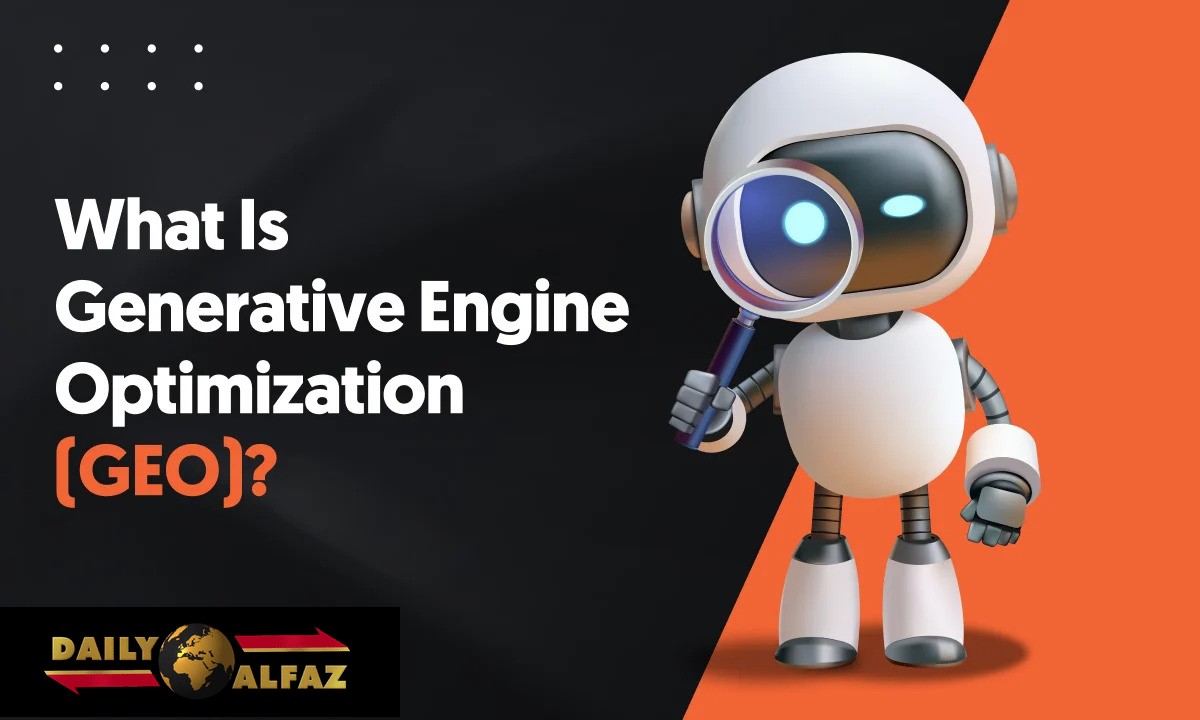
The Rise of Generative Engine Optimization (GEO) in Digital Marketing
Not too long ago, digital marketing felt fairly predictable. If you wanted people to find your business online, you focused on Search Engine Optimization. Rank higher on Google, get more clicks, attract more customers—simple. For nearly two decades, SEO was the backbone of online visibility.
But as we move deeper into 2026, that familiar system is quietly falling apart.
Search behavior has changed.
And with it, the rules of visibility have changed too. Today, people are no longer just typing keywords into a search bar and scrolling through blue links. Instead, they’re asking full questions—and they expect instant, complete answers. This shift has given rise to Generative Engine Optimization, often shortened to GEO, and it’s redefining how brands get noticed online.
The difference is subtle but powerful.
Traditional SEO focused on getting users to your website. Generative Engine Optimization focuses on making sure your knowledge shows up inside AI-generated answers. If your brand isn’t part of those answers, it may as well not exist.
Why Search Looks So Different Now
People now rely on intelligent tools that summarize information instantly.
These systems don’t present ten links and ask users to decide. They gather data from across the web and deliver one clear response. In many cases, there’s no clicking involved at all.
That’s the key disruption.
Visibility is no longer about traffic—it’s about recognition. If an AI answers a question without mentioning you, even when your product or insight is perfect, you lose the moment. Generative Engine Optimization exists to solve this exact problem.
This new reality means brands are no longer competing for rankings.
They’re competing to be included.
What Makes GEO Different from SEO
At first glance, GEO might seem like a rebrand of SEO.
It’s not. The goals, signals, and outcomes are fundamentally different.
SEO rewards keywords, backlinks, and page performance.
Generative Engine Optimization rewards clarity, trust, and usefulness. AI systems care deeply about whether information feels reliable, verifiable, and well-structured. Guesswork doesn’t survive. Fluff gets ignored.
If your content isn’t clearly written, properly sourced, and easy to understand, it won’t be used—no matter how well it once ranked.
Trust Is the New Currency
Trust sits at the center of Generative Engine Optimization.
AI models are trained to recognize credible signals: real expertise, accurate data, named sources, and consistent facts. Content without references or clear attribution struggles to break through.
This means vague opinions and surface-level content no longer work.
AI prefers precise answers backed by evidence. Clear citations, links to original research, and transparent authorship all increase the chances of being referenced.
In GEO, it’s not about sounding confident—it’s about being credible.
Structure Matters More Than Ever
Another major shift is how content needs to be organized.
Generative Engine Optimization thrives on simplicity. Each section of content should answer one specific question. Clean headings, direct explanations, and logical flow make it easier for AI to extract and reuse your insights.
Long, rambling paragraphs confuse machines.
Clear, focused sections help them understand exactly what your content is saying—and why it matters.
In a world driven by GEO, clarity equals visibility.
Video Is No Longer Optional
For years, video content lived mostly on social media and video platforms.
That’s changing fast. Generative systems are now analyzing video just like text—listening to spoken words, reading transcripts, and identifying on-screen visuals.
This means video plays a serious role in Generative Engine Optimization.
Every word spoken in a video should be intentional. Transcripts must be accurate. Visuals should be labeled clearly. Messy or confusing videos don’t get picked up.
Text, audio, and visuals now work together.
In GEO, all formats feed into one answer engine.
Teaching AI What Your Content Means
One overlooked part of Generative Engine Optimization is how machines understand relationships.
It’s not enough for content to exist—it must make sense structurally.
Using clear labels, defined entities, and organized layouts helps AI understand who you are, what you offer, and why your content is relevant.
When meaning is ambiguous, AI moves on. When meaning is obvious, AI remembers.
GEO doesn’t reward clever wording.
It rewards unmistakable intent.
Measuring Success Looks Different Now
Traditional metrics like clicks and rankings are losing relevance.
Generative Engine Optimization shifts the focus to brand mentions and citations inside AI responses.
The real question becomes:
Are AI systems referencing you—or your competitors?
Tracking this requires new tools and new thinking.
GEO success is about presence, not traffic. If your name appears consistently in answers, you’re winning—even if no one clicks a link.
Why Real Expertise Is Finally Winning
Here’s the good news: Generative Engine Optimization favors genuine knowledge.
AI systems are flooded with repetitive, low-quality content. What stands out is depth—real explanations from people who actually know what they’re talking about.
Original research, expert opinions, documented experience, and thoughtful insights all perform well in GEO.
When AI repeatedly finds your content useful, trust builds. And once trust is established, visibility follows.
In this new landscape, being accurate beats being loud.
The Future Is Already Here
This shift isn’t coming someday—it’s already happening.
Answer engines are replacing traditional search faster than many realize. Brands relying only on old SEO methods risk fading quietly into the background.
Generative Engine Optimization is now the path forward.
It asks brands to be clearer, more honest, and more intentional. It rewards those who create content meant to help—not just rank.
If you want to stay visible, don’t chase clicks.
Become the source. Speak clearly. Structure your ideas. Back up your claims. And design your content so machines can understand it as easily as humans do.