
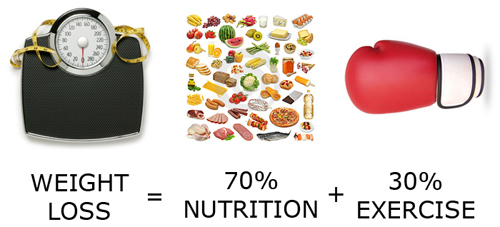
70/30 Rule in Fitness: Balanced Nutrition & Training for Results
In the world of fitness, many people struggle with the pressure to be perfect all the time. There is constant messaging about eating clean every day, never missing a workout, and following strict routines without deviation. While these ideas may sound motivating at first, they often lead to stress, frustration, and burnout. When perfection becomes the goal, even small setbacks can feel like failure. This is where the 70/30 principle offers a refreshing and realistic alternative.
The 70/30 principle encourages balance rather than extremes. Instead of aiming for perfection, it focuses on consistency most of the time while allowing space for flexibility. This approach makes fitness feel achievable and sustainable, turning it into a lifestyle rather than a short-term challenge. By accepting that life is unpredictable, the principle helps people maintain progress without feeling overwhelmed.
At its core, the 70/30 principle means that roughly 70% of your actions support your fitness and health goals, while the remaining 30% allows room for flexibility and enjoyment. This does not mean ignoring discipline or effort. Rather, it acknowledges that strict rules are difficult to maintain long-term. Life includes busy schedules, social commitments, emotional ups and downs, and unexpected events, and this approach accepts those realities instead of fighting them.
For many people, this mindset feels liberating. Missing a workout or enjoying a favorite meal no longer feels like failure. These moments do not erase progress; they simply become part of a balanced routine. Over time, this reduces guilt and helps people stay committed without unnecessary pressure.
One of the most effective ways to apply the 70/30 principle is through nutrition. About 70% of the time, meals focus on nourishing foods such as fruits, vegetables, whole grains, lean proteins, and healthy fats. These foods support energy levels, improve overall health, and help the body function at its best. The remaining 30% is reserved for flexibility, such as enjoying dessert, eating out with friends, or indulging in comfort foods.
This approach works because it removes feelings of deprivation. When no food is completely off-limits, cravings become easier to manage. People are less likely to binge or feel guilty after eating something they enjoy. Over time, this balanced relationship with food makes healthy eating feel natural rather than forced.
The same principle applies to physical activity. Fitness does not have to mean intense workouts every single day. Around 70% of physical activity can be structured and goal-oriented, such as strength training, cardio sessions, or guided workouts. These sessions build endurance, strength, and overall fitness.
The remaining 30% can include lighter or more enjoyable movement, such as walking, stretching, yoga, swimming, dancing, or playing a sport. These activities still contribute to health while also reducing stress and increasing enjoyment. Movement becomes something to look forward to rather than a task to complete.
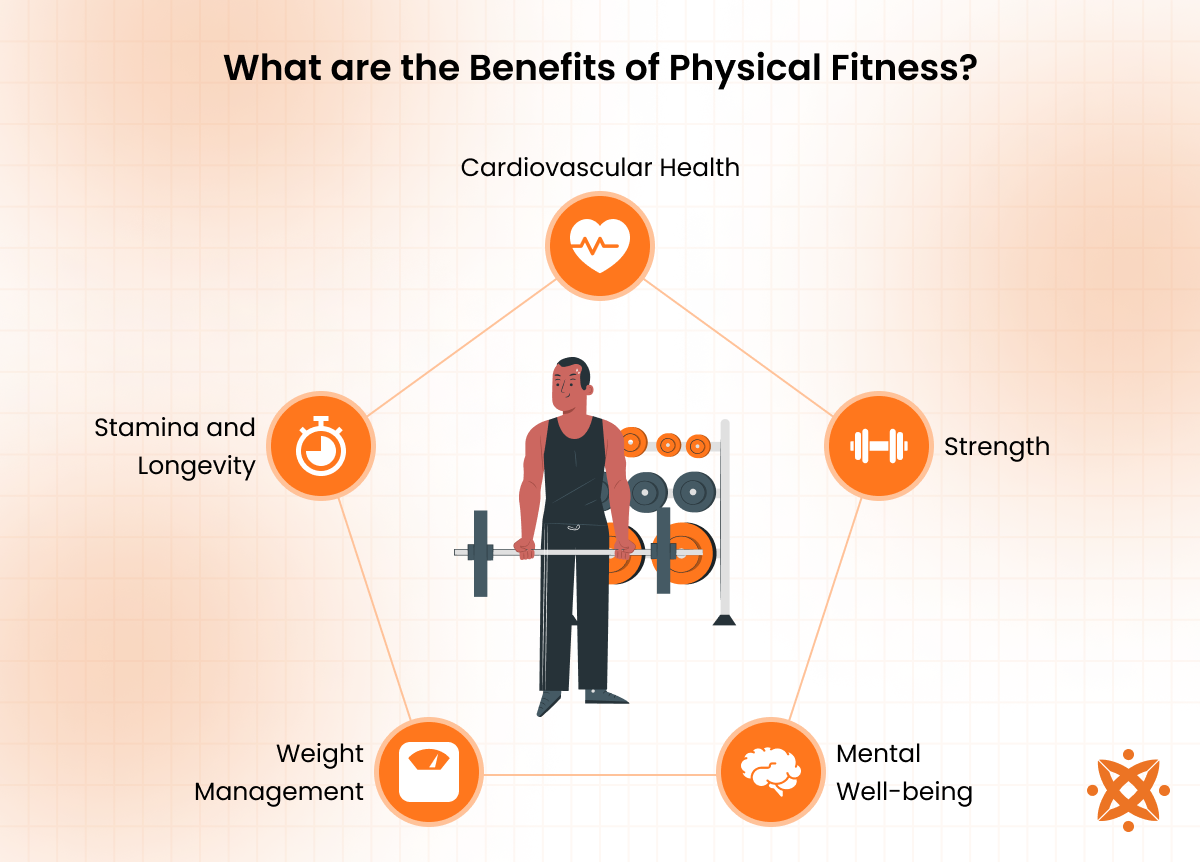
One of the greatest benefits of the 70/30 principle is its impact on mental well-being. Many people give up on fitness because they feel they are failing when they are not perfect. This approach shifts that perspective by recognizing that progress is not fragile. Small mistakes do not undo consistent effort.
By adopting this mindset, people learn to be more patient and kind to themselves. Guilt and self-criticism are replaced with understanding and motivation. This positive mental shift often leads to greater consistency and long-term commitment, which are far more important than perfection.
The 70/30 principle also fits easily into everyday life. Work, family, social events, and unexpected challenges can disrupt even the best plans. Instead of forcing control, this approach allows flexibility. It makes room for rest days, celebrations, and adjustments without losing momentum. Fitness becomes a supportive part of life rather than something that competes for attention.
Some people misunderstand the 70/30 principle and assume it encourages carelessness. In reality, it requires intention and awareness. The majority of choices should still support well-being, and the flexible portion should be used thoughtfully. When the foundation is strong, flexibility enhances balance rather than undermining progress.
To use the 70/30 principle effectively, it helps to build consistent habits first. Scheduling workouts, eating nourishing foods most of the time, staying hydrated, and getting enough sleep create a solid base. From there, flexibility can be added without guilt. While results may appear slower than with extreme methods, they are far more sustainable and realistic.
The 70/30 principle works because it reflects how people actually live. Fitness is not about being perfect; it is about showing up consistently and enjoying the journey. By blending discipline with adaptability, this approach removes unnecessary stress and supports long-term health. It offers a balanced, practical way to stay active, feel good, and maintain well-being while still enjoying life.




.jpg)
