
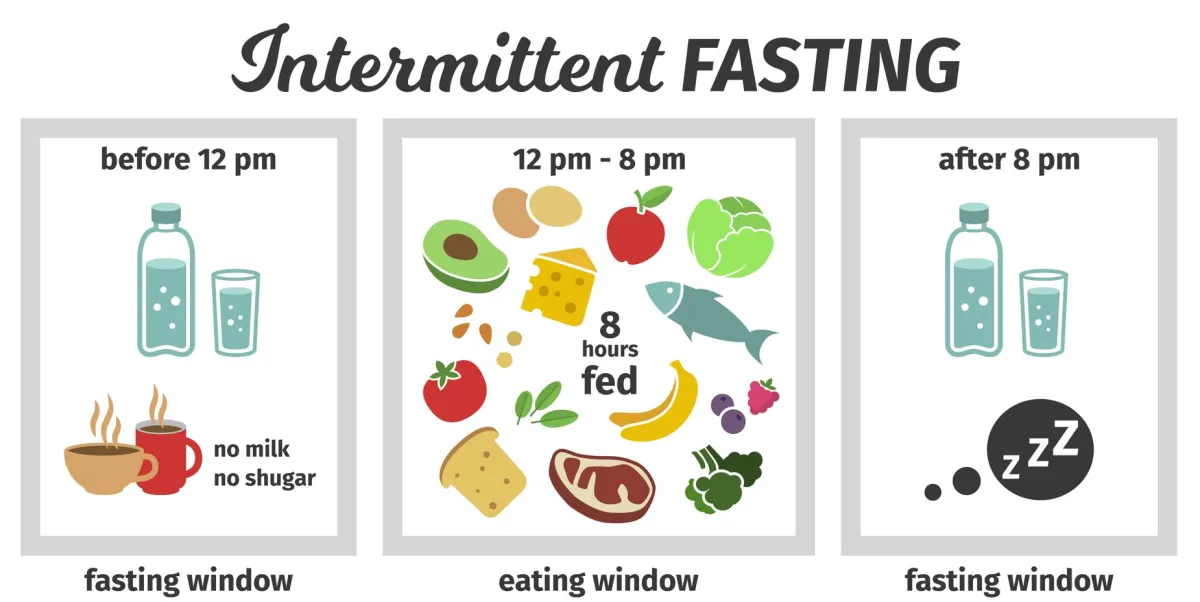
What began as a fringe habit among wellness enthusiasts now threads through mornings and evenings for countless individuals across continents. Instead of fixating on ingredients or portion sizes, this pattern centers on timing - when meals happen matters most. Cycling through stretches with food, then stretches without, mirrors ancient bodily patterns shaped by necessity. Such rhythm changes might nudge metabolic balance, clear mental fog, perhaps even affect how we age. Rather than feeding nonstop, it invites pauses - spaces where the body recalibrates, simply by waiting.
Skipping meals sets off subtle changes deep inside. With no food coming in, insulin begins to fall without warning. Once that dip takes hold, fuel needs shift - no longer dependent on fresh glucose, the system turns to fat reserves instead. It's not just fewer calories entering - it’s a recalibration of how hormones manage energy day by day. Occasionally stepping back from eating gives your gut a chance to rest - cells shift into repair, a state constant munching tends to disrupt. These brief fasts, repeated now and then, slowly reshape the way energy is handled, quietly upgrading the body's inner rhythm.
There’s no fixed rule when it comes to intermittent fasting - its loose shape fits how folks actually live. The 16:8 setup shows up often: skip meals for sixteen hours, then squeeze all eating into eight. Then there’s the 5:2 rhythm - five days of regular bites, two separate days trimmed down to roughly 500 calories. A deeper pause happens with Eat-Stop-Eat, where someone might go entirely without food for twenty-four hours, maybe once or twice weekly. On alternate-day routines, full plates flip back and forth with nearly bare ones, switching daily. Lighter takes exist too, like nibbling tiny amounts while still calling it a fast.
The perks of intermittent fasting go beyond when you eat - they reach right into your cells. Insulin response often gets sharper, allowing the body to tap into stored fat more smoothly. Instead of just sitting idle, cells begin cleaning house through autophagy, dismantling worn-out parts to recycle what's useful and clear space for fresher machinery. During these periods, human growth hormone climbs, giving a nudge to burn fat while keeping muscles intact. Time without food might also shift how genes behave, quietly reinforcing resilience and tuning up natural protection systems.
Some folks turn to intermittent fasting just to shed pounds, yet it tends to work better than expected. Skipping meals now and then usually trims down daily calories, minus the hassle of tracking every bite. Norepinephrine rises, giving metabolism a quiet push by telling cells to tap into stored fuel. Studies show this eating rhythm matches - or occasionally beats - standard dieting when dropping weight, especially keeping muscle intact. Low insulin combined with higher growth hormone sets the stage for fat to melt more smoothly.
Beyond shedding pounds, skipping meals now and then might clear the mental fog. Some notice their thoughts feel crisper after surviving the first few tough days. Skipping food on purpose can raise BDNF - a protein that keeps brain cells strong while sparking fresh connections. Less swelling inside the body, along with fewer worn-out cells piling up, could shield the mind later on. Over years, this quiet reset might lower chances of diseases like Parkinson’s or Alzheimer’s taking hold.
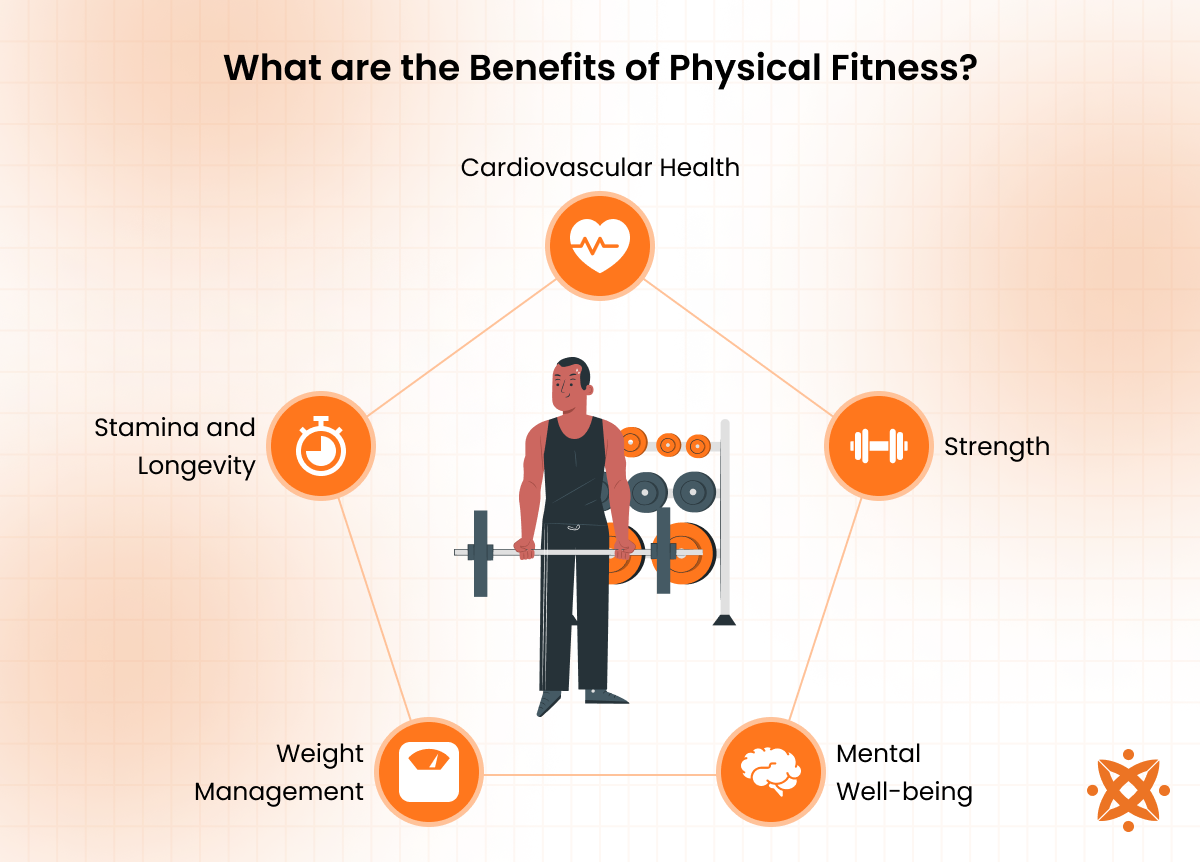
Heart health might get a quiet boost. Skipping meals now and then links to steadier blood pressure, softer swings in LDL cholesterol, lighter triglyceride loads, along with quieter inflammation signals. Shifting these inner rhythms seems to feed general energy, possibly stretching years lived - yet proof in people remains thin. Lab creatures live longer when eating less or fasting, yet we’re still waiting on solid answers for humans.
Beginning intermittent fasting might seem tough right off the bat. Since your body expects steady glucose, shifting into fat burn could bring brief cravings, shifts in mood or simple herb infusions help carry you through. Holding off on food for sixteen hours straight might strike you as intense early on; easing in with twelve hours instead, then stretching it longer over time, usually works better. Fuel your body with lean proteins, leafy greens, or nuts when you eat - this keeps your energy steady through breaks from fasting. Feeling hungry? That’s expected; yet if dizziness hits, it might be time to rethink how you’re fasting.
Some folks shouldn't try intermittent fasting - better to skip it entirely if you're pregnant or nursing. A past struggle with eating issues? That's another reason to steer clear. Growing kids and teens usually don't benefit from skipping meals. If Type 1 diabetes is part of your life, doing this without a doctor nearby isn't wise. On meds or dealing with ongoing health problems? Get advice first, just to stay safe.
Intermittent fasting isn't only tied to shedding pounds. It changes how your body handles meals, nudges hormone activity, perhaps even gives cell renewal a boost along with lifespan. Grasping simple ideas behind it eases those first tough moments, helping fit the practice into everyday routines. Stick with 16:8, test out 5:2, or play around with skipping days here and there - what matters most is showing up regularly. Find a pace matching your day-to-day flow instead of fighting against it; this opens doors to sharper focus, steadier energy, better well-being reaching past what's on your fork.




.jpg)
