
Anabolic Resistance: Causes, Effects & Muscle Growth Solutions
Understanding the Quiet Shift in Strength
Something changes without warning. Maybe you are forty or fifty, or maybe you notice it in a parent who once moved with ease. You eat well. The gym still fits into your routine. Yet the weights feel heavier. A short break leads to rapid loss, and weeks pass just trying to regain what slipped away. That slow decline feels personal. Muscles are not broken, only altered. This shift has a name: anabolic resistance.
Recognizing anabolic resistance reframes the experience. It is not failure or laziness. It is a biological change where muscle no longer responds to food and exercise as efficiently as before. Strength, time, and long-term independence are tightly connected here, and understanding that link changes how we act.
What Anabolic Resistance Really Means
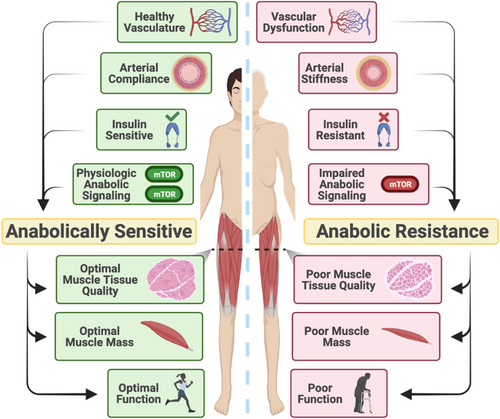
Think of muscle repair like a construction site. Years ago, when you trained or ate protein, the signal went out and workers rushed in. Tools came out. Repairs happened quickly. Muscle grew stronger. With age, that response slows. Fewer workers answer the call. Some arrive late. Others do not come at all.
This delayed response is anabolic resistance. The same workout and the same meal send weaker signals. Protein synthesis slows. Growth cues are muted. Even consistent effort brings smaller returns. Over time, this contributes to weaker muscles, thinner frames, and reduced physical capacity.
Why Strength Matters More Than Appearance
Losing muscle is not only about looks. Anabolic resistance affects how well the body functions day to day. Strong muscles protect joints, reduce injury risk, and help maintain balance. They play a key role in blood sugar control and metabolic health.
As anabolic resistance progresses, everyday tasks become harder. Standing up, climbing stairs, carrying groceries, or recovering from a fall all demand strength. The difference between independence and reliance often comes down to muscle preserved—or lost—over decades.
What Triggers Anabolic Resistance
Several forces drive anabolic resistance. One is chronic low-grade inflammation, often called “inflammaging.” This constant background stress interferes with muscle repair signals. Another factor is inactivity. Long hours of sitting teach the body that muscle is unnecessary weight.
Cellular aging also plays a role. Mitochondria become less efficient. Hormonal responses weaken. Blood flow to muscle declines. Together, these shifts make anabolic resistance more pronounced, even in people who stay active.
Nutrition: Sending a Louder Signal
The good news is that anabolic resistance is not an unmovable wall. Nutrition can push back. Older muscles need stronger signals, not gentler ones. Protein intake must increase beyond outdated recommendations.
Research suggests about 1.2 to 1.6 grams of protein per kilogram of body weight daily to counter anabolic resistance. Timing matters as much as totals. Instead of small protein doses scattered thinly, aim for solid servings—around 30 to 40 grams per meal.
Leucine-rich proteins are especially effective against anabolic resistance. Eggs, dairy, chicken, fish, legumes, and lean meats activate muscle-building pathways more forcefully. These are not extras or indulgences; they are structural support.
Training: Resistance Against Resistance
Exercise remains one of the strongest tools against anabolic resistance. Resistance training sends a clear message to the body: muscle is needed. Squats, presses, rows, and deadlifts activate large muscle groups and stimulate growth signals.
The goal is not extreme routines. Consistency matters more than intensity alone. Training two to four times per week, gradually increasing load or repetitions, helps restore sensitivity to protein and movement. Over time, this reduces the grip of anabolic resistance and preserves strength.
Recovery and Lifestyle: The Forgotten Pillar
Sleep and stress management are often overlooked, yet they strongly influence anabolic resistance. Poor sleep raises cortisol, a hormone that breaks down muscle tissue. Chronic stress interferes with recovery and protein use.
Quality rest allows repair signals to work. Seven to nine hours of sleep supports hormone balance and muscle maintenance. Managing daily pressure—through walking, breathing, or structured downtime—helps keep anabolic resistance from worsening.
Reframing Aging and Strength
The real challenge is not aging itself. It is anabolic resistance quietly changing how the body responds. Once named, the problem becomes manageable. Eat with intention. Train with purpose. Rest as seriously as you work.
Strength is not about chasing youth. It is about resilience, capability, and independence. When you understand anabolic resistance, you stop blaming effort and start adjusting strategy. That shift keeps muscle—and power—alive across decades.





.jpg)
