
Infant Nutrition: Building Healthy Growth and Early Fitness
Feeding a baby is more than just making sure they are not hungry. It’s also about helping them grow, learn, and stay safe during a very important time in their life. From birth until their first birthday, everything you choose to feed them has a big impact. The nutrition they get during these early months helps shape their body, brain, and immune system. These months might seem simple, but they have a lasting effect on their health. It doesn’t take perfect choices to provide good nutrition—it takes care, patience, and consistency.
The first year of life is a time of quick growth.
Babies grow faster than at any other time. Their brains are forming millions of connections, their digestion is changing, and their immune system is getting stronger. Because of this, nutrition is more than just food—it sends messages to their body about how to grow and work. The choices you make early on help set up a strong base for their health in the future.
When it comes to baby nutrition, breast milk is often seen as the best first food.
A mother’s body makes milk that is just right for her baby. In the first few days after birth, she makes colostrum. This thick, yellowish milk is full of nutrients and antibodies. Colostrum helps protect babies from infections and helps their digestive system adjust to life outside the womb.
Over time, breast milk changes to suit the baby’s growing needs.
Mature milk has a good mix of fats, proteins, carbs, vitamins, and water. One amazing thing about breastfeeding is how the milk adapts. It can change during a single feeding and keep changing over weeks and months. This helps support brain development, healthy gut bacteria, and protection against illness.
Breast milk also helps strengthen the baby’s immune system.
Antibodies from the mother help reduce the risk of infections early on. Breastfeeding also gives comfort and helps build a bond between mother and baby. While breastfeeding is encouraged when possible, it’s not the only way to provide healthy nutrition for babies.
Every family has a different path when it comes to feeding their baby.
If breastfeeding isn’t possible or is only part of the plan, infant formula is a safe and effective alternative. Formula is carefully made to give babies all the nutrients they need. Even though it doesn’t have the same immune benefits as breast milk, improvements in baby nutrition science have made formula better over time. Some formulas now include ingredients that help digestion, like prebiotics and probiotics.
No matter how a baby is fed, how you respond is important.
Paying attention to signs that the baby is hungry, like rooting or sucking on their hands, and when they are full, like turning away or slowing down, helps make feeding feel calm and respectful. This approach helps build healthy eating habits and avoids putting too much pressure on the baby.
Around six months of age, a baby’s nutrition starts to change as solid foods are added.
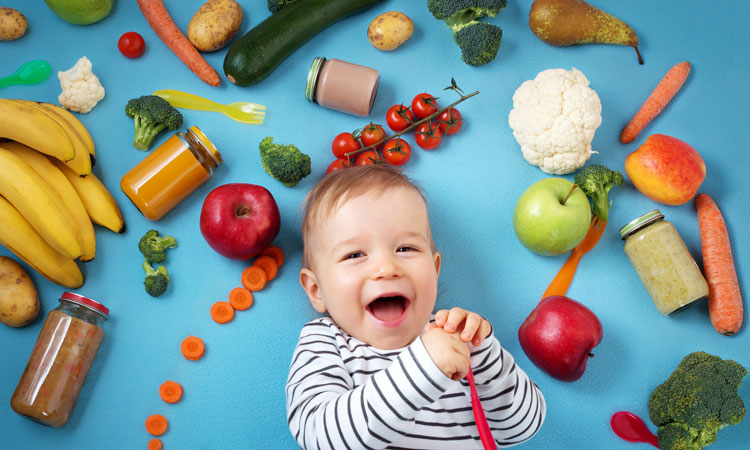
Milk is still important, but babies now need extra nutrients, especially iron and zinc. At this stage, soft and easy-to-eat foods like iron-fortified cereals, mashed vegetables, fruits, lentils, eggs, and finely shredded meats are introduced. Each food brings something new and helps meet the growing needs of the baby.
Variety is important during this time.
Offering different flavors and textures helps babies get used to a wide range of foods. Early exposure to different foods can help reduce picky eating later in childhood and encourage a curiosity about food. This time is about learning, not being perfect. Messy eating and slow progress are normal and part of healthy development.
Safety is very important when feeding babies.
They are still learning how to chew and swallow, so food must be prepared carefully. Grapes should be cut into very small pieces. Nut butters should be mixed with other foods or thinned out. Honey should not be given until after the first year because of the risk of a serious illness called botulism. Cow’s milk shouldn’t be used as the main drink until after the baby is one year old because it lacks iron and can stress their developing kidneys. Every feeding choice should protect these growing bodies.
Infant nutrition is affected not just by knowledge but also by access.
Many families face problems getting fresh, nutritious food because of cost or where they live. Support programs like WIC help improve nutrition by giving food assistance, breastfeeding support, and education about healthy eating. When families get the right support, babies are more likely to receive the nourishment they need.
Researchers are still studying how early nutrition affects long-term health.
The way babies eat early on might influence their metabolism, immunity, and weight later in life. This idea is often called nutritional programming, and it shows how early feeding choices can have a lasting effect. Infant nutrition isn’t just about avoiding deficiencies—it also helps prepare the body for the future.
Many caregivers feel overwhelmed by all the advice about feeding babies.
Though there are different opinions, the main things to remember stay the same. Babies need regular nourishment through breast milk, formula, or both during the first six months. After that, solid foods should be introduced slowly and safely. Feeding should always be based on the baby’s cues.
In the end, infant nutrition is about day-to-day care.
Simple, thoughtful choices made regularly help build strength, resilience, and trust. With patience, awareness, and support, caregivers can give babies a healthy start that continues beyond the first year.




.jpg)
