
Bone Density: Fitness Tips to Build Strong and Healthy Bones
The Living Strength Inside Our Bones
Bones rarely steal attention in fitness conversations, yet their strength matters just as much as visible muscle. They form the inner framework that supports movement, shields organs, and allows daily actions to happen smoothly. Far from being lifeless pillars, bones are living tissue that respond to stress, food, hormones, and activity. The quality of this inner framework is measured by bone density, which reflects how tightly minerals are packed inside bone tissue.
How Bone Density Shapes Strength and Stability
High bone density means bones are tough and better able to resist pressure, while low bone density increases the risk of cracks, breaks, and conditions like osteoporosis. Most people reach peak bone density in their twenties. After that, slow loss often begins, especially without regular physical activity. Although aging affects the skeleton, declines in bone density are not unavoidable.
Why Movement Matters More Than You Think
Bones strengthen in response to force. When muscles pull on bones during movement, they send signals that encourage mineral buildup. This process gradually improves bone density, making bones stronger over time. People who stay active tend to maintain better bone density than those who spend most of their days sitting.
Resistance Training and Bone Density Gains
Among all forms of exercise, resistance training plays a standout role in improving bone density. Lifting weights, pushing against resistance bands, or performing bodyweight exercises forces muscles to tug on bones. That tug creates stress, and the skeleton responds by reinforcing itself. Over weeks and months, this process increases bone density, especially in areas under the most load.
Weight-Bearing Activities That Strengthen Bones
Weight-bearing movements are just as important as lifting weights. Walking, jogging, climbing stairs, jumping, and even standing up from a chair all load the skeleton against gravity. Each impact sends tiny signals through bones, stimulating cells that maintain bone density. These daily actions quietly reinforce the skeleton when done consistently.
Muscle Strength and Bone Density Work Together
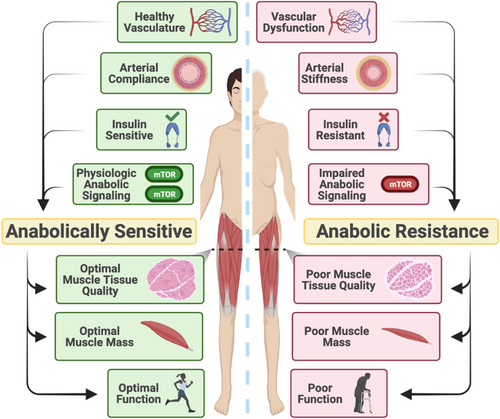
Muscle mass and bone density are closely connected. Strong muscles absorb shock and reduce stress on bones during movement. As muscles grow stronger, they help protect bones from sudden impact, lowering fracture risk. Functional exercises that use several joints at once build muscle while also improving bone density in multiple regions.
Bone Density Across Different Life Stages
Early-life activity builds a strong foundation of bone density that carries into adulthood. During midlife, staying active slows natural bone loss. Later in life, exercise helps preserve remaining bone density and improves balance, reducing fall risk. Even starting resistance training later can still raise bone density, proving it’s never too late to benefit.
Hormones and Their Influence on Bone Density
Hormones play a powerful role in bone density. Estrogen supports bone strength, which explains why bone loss accelerates after menopause. Testosterone helps maintain bone density in men. Physical activity supports healthier hormone balance, making exercise a key tool for protecting the skeleton in both sexes.
Nutrition: Fuel for Stronger Bone Density
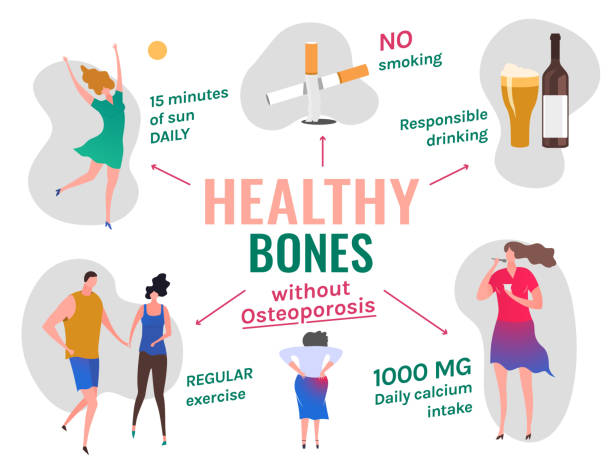
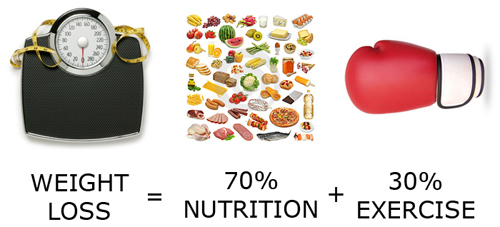
Exercise alone cannot build strong bones without proper nutrition. Calcium, vitamin D, magnesium, phosphorus, and protein supply the raw materials bones need. When physical stress from workouts combines with good nutrition, bone density improves more effectively. Eating well without movement—or moving without fueling properly—limits gains.
Rest, Recovery, and Bone Density Repair
Bones rebuild during rest, not during exercise itself. Adequate recovery time allows bone cells to repair and strengthen, increasing bone density. Too much training without rest may disrupt hormones and slow bone repair. Deep sleep is especially important, as many bone-rebuilding processes occur overnight.
Lifestyle Choices That Affect Bone Density
Daily habits influence bone density more than many realize. Smoking, heavy alcohol use, and prolonged sitting weaken bones over time. In contrast, regular movement improves circulation, hormone balance, and skeletal strength. Active people consistently show healthier bone density compared to sedentary individuals.
Long-Term Benefits of Strong Bone Density
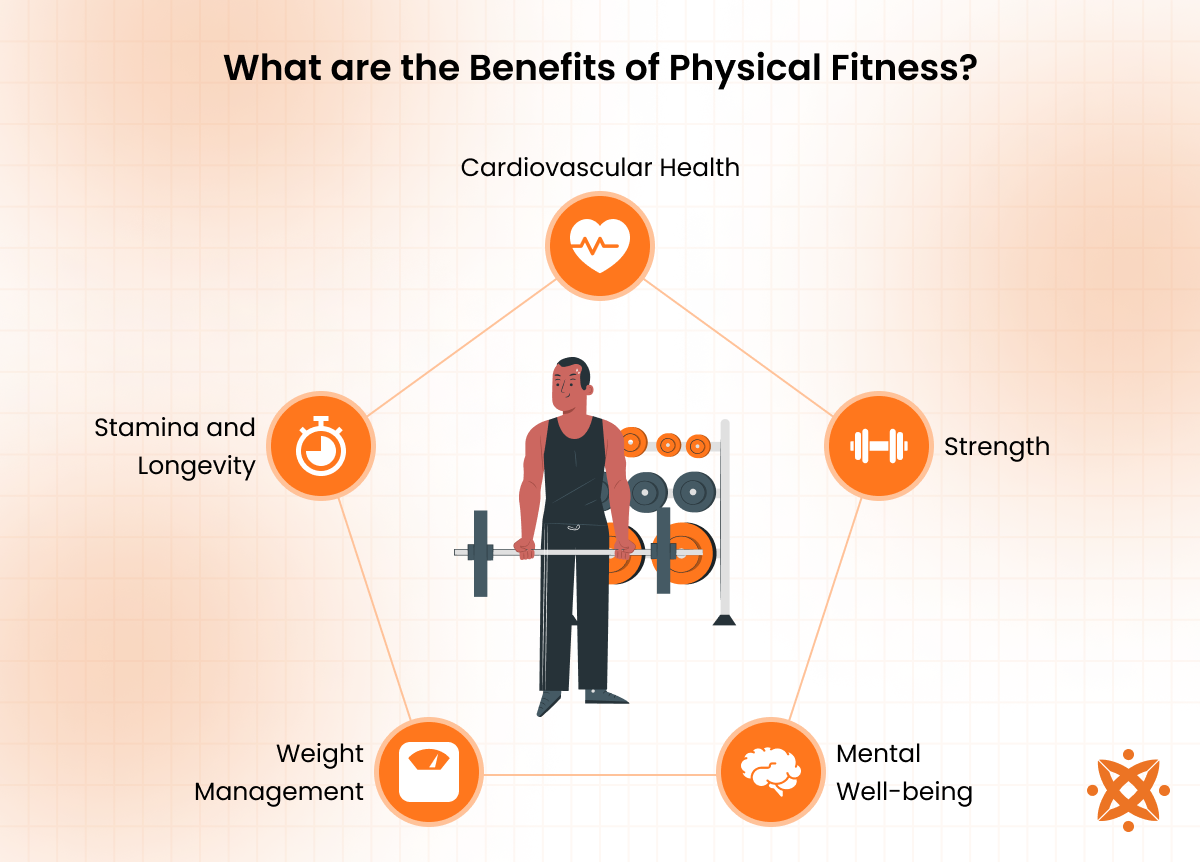
Strong bone density does more than prevent fractures. It supports posture, balance, and confident movement. Everyday tasks—climbing stairs, lifting objects, or walking on uneven ground—feel easier when the skeleton is strong. Though changes in bone density happen quietly, their long-term benefits are powerful.
Smart Training for Lifelong Bone Density
Modern research supports mixed training approaches: progressive resistance, jumping, balance challenges, and varied movements. Repeating the same gentle exercises may build endurance but does little for bone density. Gradually increasing intensity and changing movement patterns keeps bones adapting and strong.
Building a Strong Skeleton for the Future
Fitness habits, nutrition, rest, and lifestyle choices all shape bone density over time. Bones are not fixed structures; they adapt to how we live. Choosing resistance training, staying active on your feet, eating nutrient-rich foods, and resting well creates a strong foundation. These daily decisions protect bone density, reduce injury risk, and preserve freedom of movement for years to come.





.jpg)
