
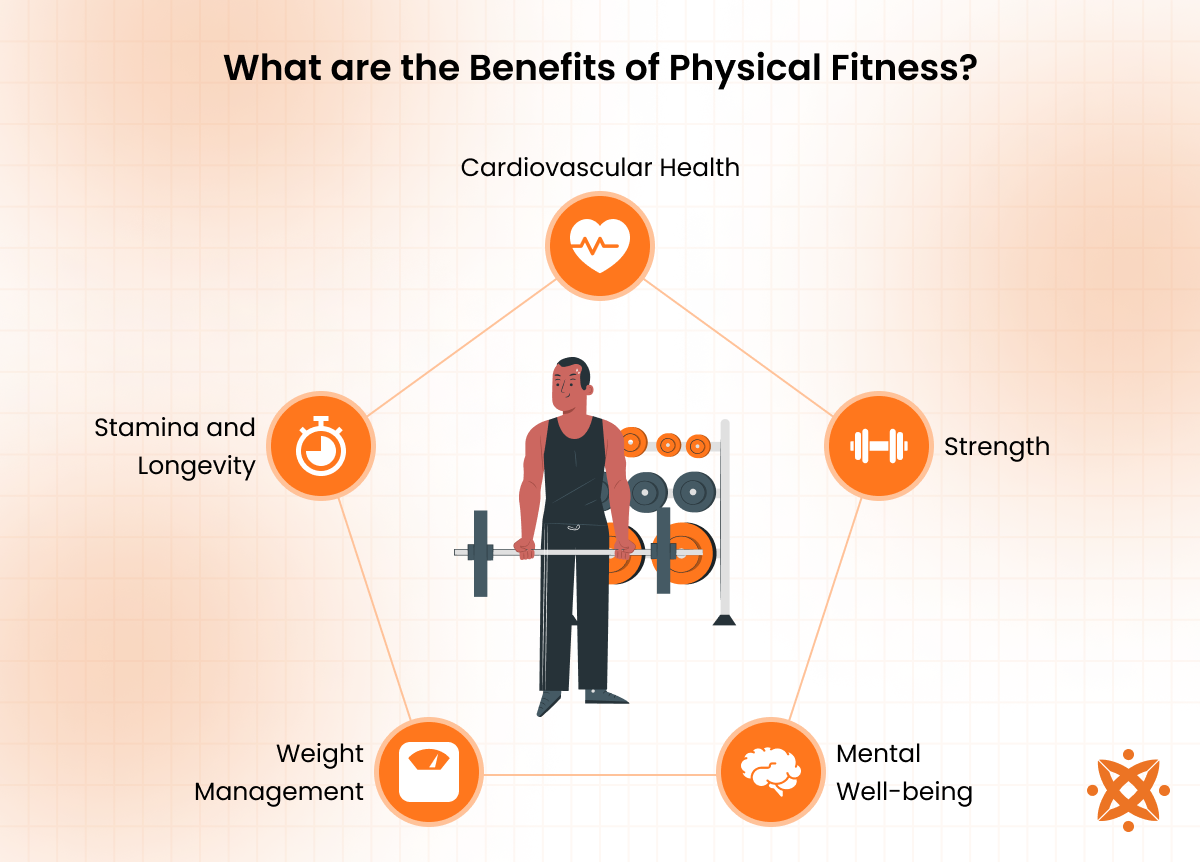
Components of Fitness – Types, Importance & Benefits for a Healthy Life
When people hear the word "fit," they often imagine very different things. Some picture a marathon runner who never seems to get tired. Others think of a weightlifter with big muscles or a gymnast moving with grace and control. The truth is, being fit doesn’t mean excelling at just one thing. Fitness is broader, deeper, and more practical than that. It is made up of several interconnected parts that work together to support how our bodies move, feel, and function every day.
Understanding fitness becomes much easier when we stop treating it as one single idea and start looking at the individual parts.
Once we do that, we can better recognize what we’re good at, what needs improvement, and how to create a balanced routine that supports both health and performance. This approach works no matter what your goal is—whether it’s athletic success, weight management, or simply feeling energetic and capable in daily life.
The components of fitness are generally divided into two main categories: health-related and skill-related.
Health-related components focus on keeping the body working efficiently and lowering the risk of disease. These elements are important for everyone, regardless of age or fitness level.
One of the most important health-related components is cardiovascular endurance.
This refers to how well your heart, lungs, and blood vessels supply oxygen to your muscles during continuous activity. Good cardiovascular endurance lets you walk long distances, climb stairs without gasping for air, or enjoy outdoor activities without constant fatigue. Activities like brisk walking, cycling, swimming, or jogging can help improve this area.
Another key part of the health-related components is muscular strength.
This is the amount of force a muscle or group of muscles can produce. Muscular strength helps with everyday tasks like lifting groceries, moving furniture, or opening tight jars. It also plays a big role in protecting bones and joints, especially as we age.
Closely related is muscular endurance, another vital part of the fitness puzzle.
Muscular endurance is about how long a muscle can keep working without getting tired. Holding a plank, doing multiple push-ups, or carrying something for an extended period all rely on muscular endurance. You don’t need massive muscles to have good endurance—consistency matters more than size.
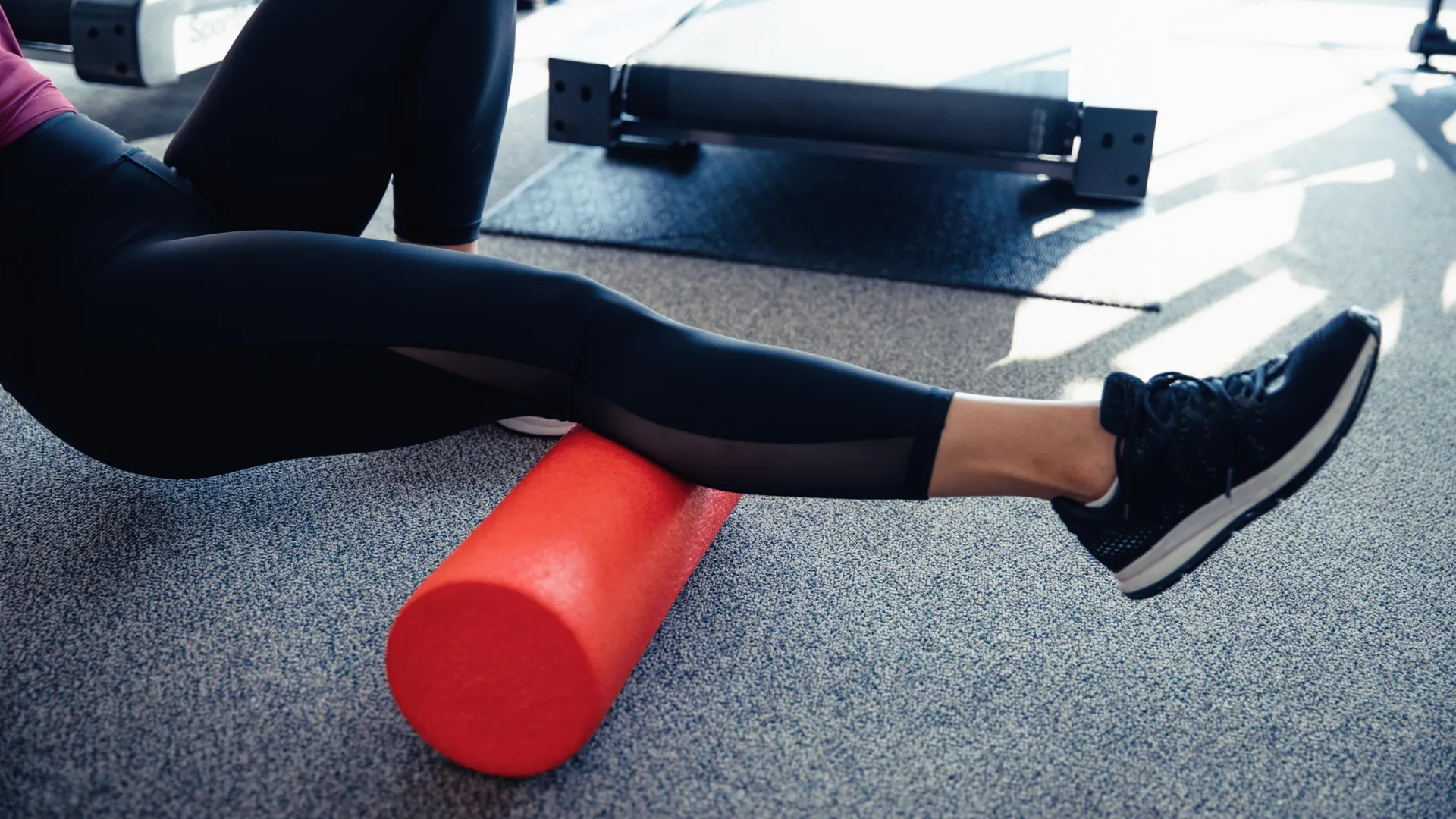
Flexibility is another often-overlooked part of the health-related components.
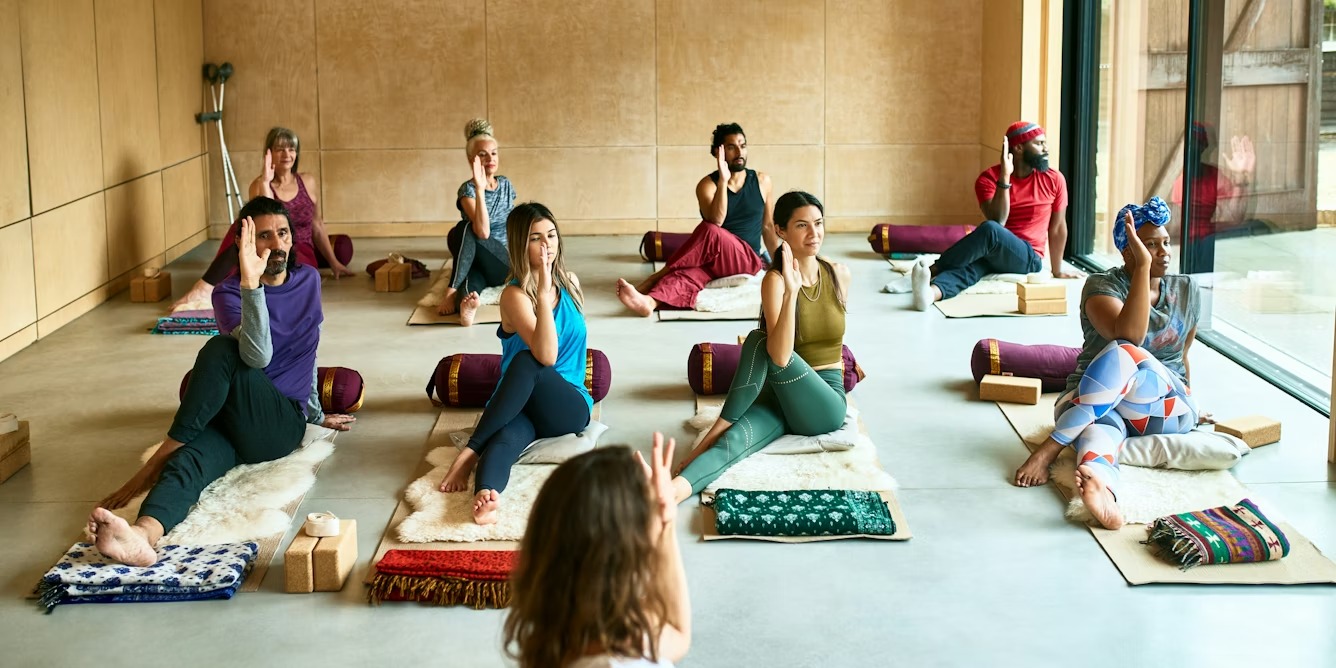
It refers to how freely your joints can move through their full range of motion. Good flexibility helps prevent injuries, reduces stiffness, and makes movements feel smoother and more comfortable. Stretching, yoga, and mobility exercises are simple ways to improve flexibility.
The final health-related element among the components of fitness is body composition.
This describes the balance between fat mass and lean mass in the body, including muscles, bones, and organs. A healthy body composition supports better energy levels, lowers the risk of chronic diseases, and helps the body function more effectively overall.
Beyond health, there are skill-related components of fitness that influence how well we move and perform, especially in sports or physically demanding activities.
These components of fitness are not just for athletes; they also help with coordination and safety in daily life.
Agility is one of these skill-related components.
It refers to how quickly and smoothly you can change direction while maintaining control. Whether it’s avoiding an obstacle while walking or reacting quickly in a sport, agility plays a big role.
Balance is another important part of the skill-related components.
It’s the ability to maintain stability, whether standing still or moving. Good balance helps prevent falls and injuries, especially for older adults. Simple balance exercises can make a big difference over time.
Coordination is also among the essential components of fitness.
It involves using different body parts together efficiently. Everyday actions like catching a ball, typing, or even driving depend on coordination.
Power combines strength and speed, making it one of the more dynamic components of fitness.
Jumping, sprinting, or throwing something with force all require power. Speed itself is another component, referring to how fast you can move your body or parts of it. Finally, reaction time measures how quickly you respond to a signal, like moving out of the way when something suddenly falls.
Understanding all these components of fitness is important because no single workout improves everything.
Someone who runs long distances may have excellent cardiovascular endurance but lack strength or flexibility. On the other hand, someone who focuses only on weight training might be strong but struggle with stamina or balance. That’s why a well-rounded plan should address multiple components of fitness instead of just one.
A balanced routine might include aerobic exercises for heart health, strength training for muscles and bones, stretching for flexibility, and coordination or balance drills for overall movement quality.
Paying attention to all components of fitness makes daily tasks easier, workouts safer, and long-term health more achievable.
In the end, fitness isn’t about looking a certain way or reaching extreme goals.
It’s about building a body that works well for your life. By understanding and training the different components of fitness, you create a foundation for strength, energy, confidence, and independence that lasts for years.



.jpg)
