Nursing and Midwifery at AKU | Programs, Admission & Career Scope
In hospitals and clinics, healing doesn’t just come from machines. It comes from people. Nurses and midwives are always there—day and night—to comfort patients, help families, and be there when it really matters. Their work is often overlooked, but without them, healthcare would not run smoothly. From the start, AKU understood this. Nursing and midwifery were never considered secondary; they were always at the center of quality care.
This belief led to the creation of the School of Nursing and Midwifery, known as SONAM.
It didn’t come about suddenly or because of trends. Instead, it grew from a clear mission: to improve care by investing in those who provide it directly. Over time, SONAM quietly changed how nursing and midwifery were seen, especially in areas where these professions were once undervalued. Respect followed competence, and recognition followed results.
The story of nursing education at AKU actually started before SONAM was officially founded.
In 1980, the university launched its first nursing program in Pakistan, three years before the university itself was officially established. This early decision showed something important about AKU—world-class medical education can’t exist without equally strong nursing education. This choice shaped everything that came after.
What started in Pakistan didn’t stay there.
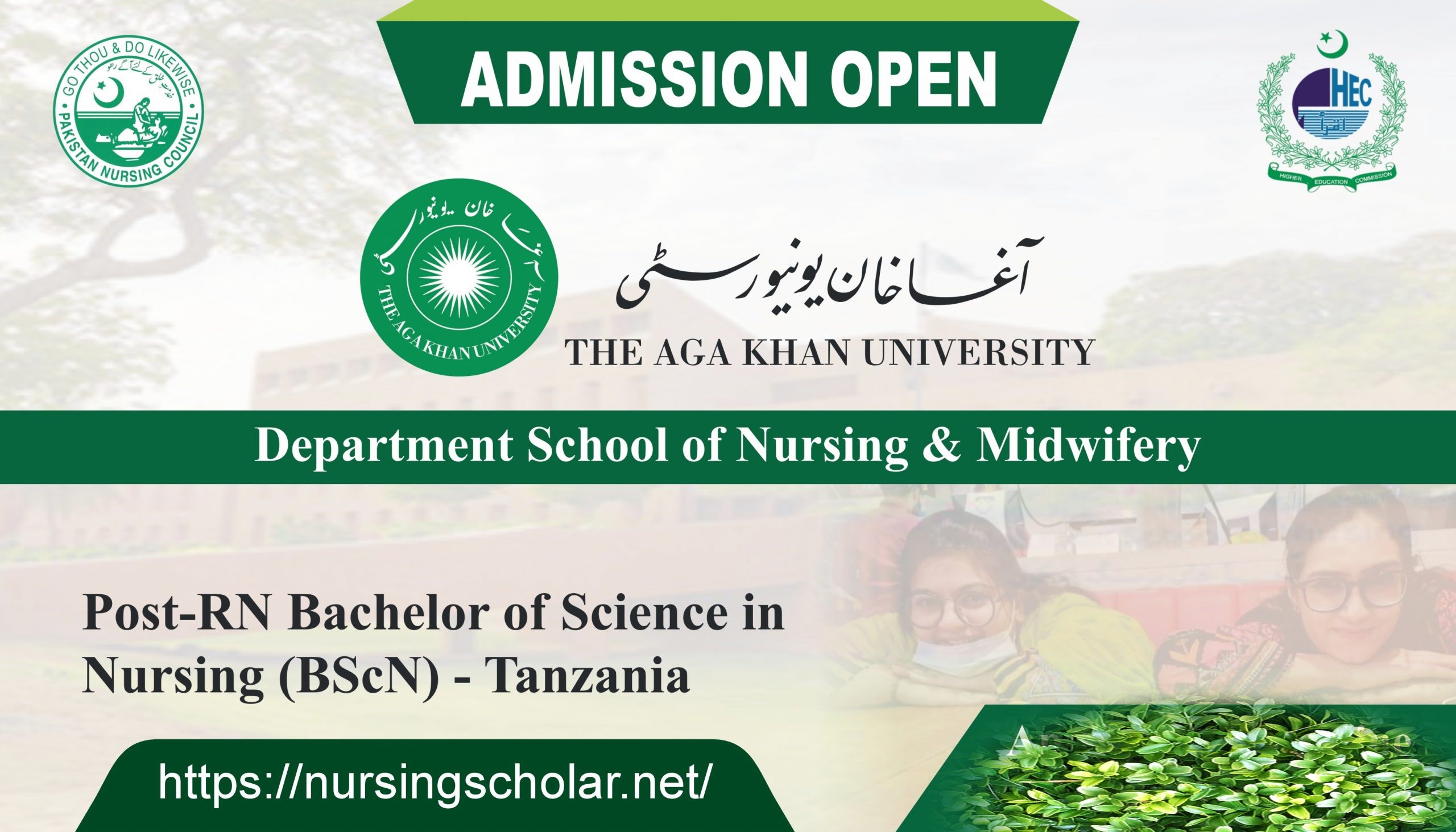
Over the years, AKU expanded its nursing and midwifery programs to countries like Kenya, Tanzania, Uganda, Afghanistan, and Pakistan. Each program meets local needs but keeps high standards. Today, graduates of these programs are working as leaders, teachers, policymakers, and advocates in public health. More than forty years later, AKU graduates continue to influence healthcare far beyond hospitals.
Education at AKU is about more than learning procedures or passing exams.
Nurses and midwives face complex situations every day and must think critically, act ethically, and make decisions based on evidence. That’s why AKU designs its programs with purpose and depth. The Bachelor of Science in Nursing, for example, offers clear paths for both high school graduates and working healthcare professionals. In both tracks, classroom learning is closely linked to real clinical experience.
Students don't study biology by itself or memorize public health concepts without context.
Instead, they see how science connects to communities and how theory becomes practice in hospitals. By the time students graduate from AKU, they are not just technically trained—they are confident, thoughtful professionals ready to work in demanding healthcare settings.
Midwifery holds a special place within AKU, especially since maternal and child health is a major issue in many of the communities it serves.
Rather than focusing only on clinical skills, AKU views midwifery as a deeply human profession. Programs like the Bachelor of Science in Midwifery train nurses to support women through pregnancy, childbirth, and early motherhood with skill, respect, and cultural awareness.
For practicing midwives, AKU also offers opportunities to move into academic and leadership roles.
These paths help professionals expand their influence by combining experience with research, teaching, and policy work. In this way, AKU ensures that practical wisdom is not lost but grows through education.
Another big part of AKU is its learning environment.
Students are trained within real healthcare systems that follow international standards. Many of the hospitals connected to AKU are accredited by the Joint Commission International, meaning patient safety and quality care are a priority. These hospitals become real classrooms where students apply research directly to patient care.
Progress at AKU never stops.
An example is the partnership between SONAM and RUSH University. This collaboration connects faculty and students across the world—from Nairobi to Illinois—through exchanges, joint research, and shared learning. Distance doesn’t matter when knowledge moves freely, and both institutions benefit from new ideas.
The strongest proof of AKU’s commitment is its graduates.
More than 1,400 nurses and midwives have earned degrees through AKU programs. Many now lead hospitals, advise governments, run training centers, and head national professional organizations. In Uganda, nearly half of recent AKU graduates choose careers in public service, working in areas where healthcare access is limited and the need is greatest.
Access to education has always been central to AKU’s mission.
Most students receive scholarships, so talent—not financial background—determines opportunity. By investing in its students, AKU strengthens entire healthcare systems, not just individual careers.
To understand AKU fully, it helps to look at its origins.
Founded in 1983 by the vision of the Aga Khan, the university was created as an independent, non-profit institution. It was given the freedom to set its own standards and pursue long-term impact rather than short-term recognition. Over time, AKU expanded to many countries while staying connected to its original mission.
As part of the Aga Khan Development Network, AKU reinvests all its resources into education, research, and community benefit.
While healthcare remains its foundation, the university has grown to include education, media, cultural studies, and most recently, arts and sciences. Guided by the principles of impact, quality, relevance, and access—expressed in the idea of IQRA—AKU continues to serve regions where meaningful change is needed most.
Every year, AKU’s hospitals and health facilities touch countless lives.
But the real impact goes beyond buildings. It lives in the nurses and midwives who bring compassion, skill, and confidence into every space they serve. Through them, AKU’s quiet commitment continues—one patient, one family, and one community at a time.