The Enduring Contribution of Psychology to Education
In today's world of education, there's always a lot of discussion about how teachers should teach, how exams should be done, and what the curriculum should include. New ideas keep coming up, old ones get left behind, and teachers often find themselves unsure what actually works best. Still, through all these changes, one thing stays the same: psychology. Even as opinions and policies change, psychology keeps giving us reliable knowledge about how people think, feel, and learn. It helps education progress instead of getting stuck in never-ending debates.
Psychology looks at human behavior in a thoughtful and well-supported way.
In education, this means understanding how students take in information, what drives them, and why learning sometimes comes easily and other times feels tough. These insights didn't just happen suddenly. They came from years of careful observation, research, and experience in classrooms. Before smart boards and digital tools were around, people like B.F. Skinner studied how small things—like praise or feedback—could help shape good habits and improve learning. His work showed that behavior can be guided gently, not forced.
Modern education continues to build on these ideas.
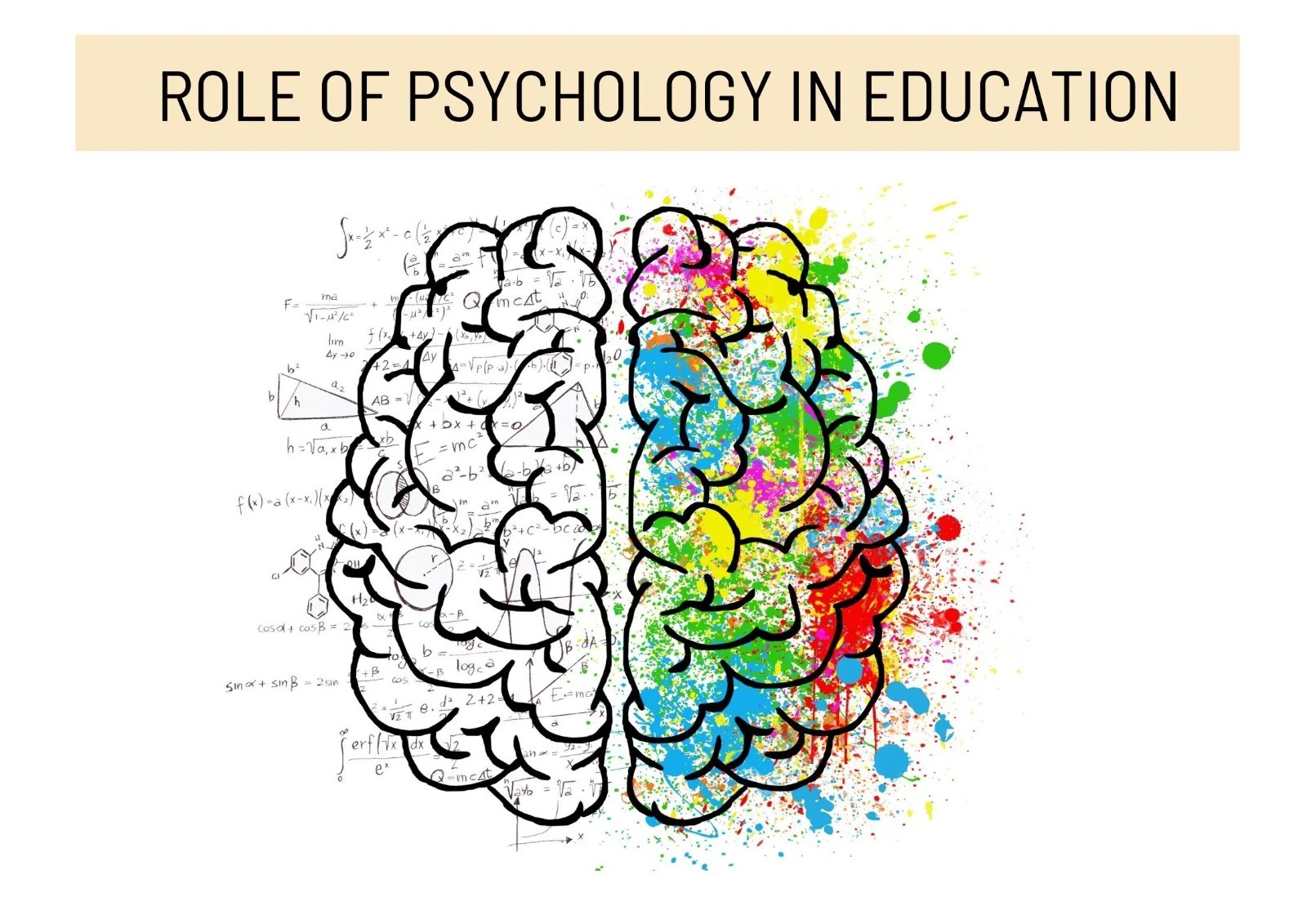
Today, psychology helps teachers understand memory, focus, and motivation in deeper ways than ever before. Studies show that learning works best when lessons fit with the brain's natural limits. This idea is clear in cognitive load theory, which says that working memory can only hold so much at once. When students are overloaded, learning becomes harder. Because of this, teaching has become more thoughtful—less rushing, more clarity, and better pacing. Psychology turns teaching from guesswork into a process grounded in how the brain actually works.
But learning isn't just about remembering facts.
Education is also deeply emotional and social. Students don't walk into classrooms as empty pages; they come with their own fears, hopes, and experiences. Psychology helps teachers understand how emotions affect learning. When students feel stressed or anxious, they can't focus well. But when they feel safe and supported, they're more engaged. Because of this, ideas from positive psychology—like those from Martin Seligman—have become important in education. Instead of only focusing on weaknesses, teachers are encouraged to recognize strengths, effort, and resilience.
A classroom that uses psychology values connection.
Learning often improves when students feel understood and respected. In such environments, confidence grows steadily over time. Education becomes less about competition and more about individual growth. Research shows that self-esteem and academic success often go hand in hand. When students believe they can improve, they usually do. Psychology reminds us that encouragement, patience, and trust are key—not just nice to have, but essential.
As classrooms become more diverse, education faces new challenges.
Students come from different backgrounds, abilities, cultures, and learning styles. Psychology offers ways to understand and support this diversity. The ideas of Lev Vygotsky highlight the value of social learning and teamwork, while Howard Gardner reminds us that intelligence isn't one-size-fits-all. When education uses these insights, lessons become more flexible and inclusive. Differences are no longer seen as obstacles but as natural parts of learning together.
Interestingly, psychology also grows because of the problems in education.
When students lose interest or feel overwhelmed, researchers look closely at what's happening in classrooms. Real problems lead to better theories and more practical solutions. This keeps psychology connected to everyday teaching instead of making it seem distant or purely academic. For example, training simulations let future teachers practice dealing with classroom stress before they face it in real life. Education and psychology evolve together, learning from each other.
Another important role of psychology in education is supporting mental well-being.
School and university life can be stressful, especially during big changes. Anxiety, self-doubt, and pressure are common. When education includes space for reflection, gratitude, and emotional awareness, students handle stress better. Psychology encourages schools to act early, offering support before problems grow. Simple actions like mindfulness, setting goals, or acknowledging effort can make a big difference.
These approaches don't make teachers into therapists.
Instead, they give educators a better understanding of human behavior. Psychology helps teachers notice small moments—like a hesitant answer or a quiet success—that signal growth. Education becomes more humane when emotional well-being is part of daily learning, not treated as a separate issue.
Looking ahead, the link between psychology and education is likely to get even stronger.
In countries like Australia, teacher training now includes a strong focus on how students learn. As neuroscience and learning science continue to advance, education will keep changing. Psychology provides a steady guide, helping teachers respond thoughtfully rather than reacting on the fly.
In the end, the influence of psychology on education is gentle but powerful.
It shapes how lessons are designed, how students are supported, and how resilience is built over time. By combining old theories with new research, psychology helps education stay caring, effective, and grounded in reality. When students finally understand a concept and their confidence shines, that moment reflects the quiet strength of psychology guiding education forward.