Uses and Properties of Almond Oil: Benefits, Nutrition & Everyday Applications
For centuries, people have used almond oil without making a big deal about it. Before there were fancy skincare products and trendy wellness trends, almond oil was already helping people in simple ways. Ancient cultures in places like China and India used it as part of their daily routines, trusting its natural ability to nourish the body from the inside out. Even today, almond oil is one of those simple, natural remedies that prove nature often knows best.
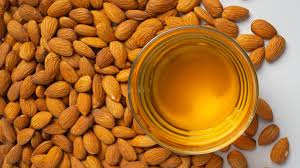
Almond oil comes from the seeds of the Prunus dulcis tree, also known as the almond tree.
The oil is made by pressing the nuts to release their natural oils. There are two main types of almond oil: sweet and bitter. Bitter almond oil isn’t safe to eat and is usually used in soap making or industrial products because it can be harmful if consumed raw. Sweet almond oil, on the other hand, is safe and commonly used in kitchens, bathrooms, and beauty products around the world.
What makes almond oil special is its makeup.
It’s rich in healthy fats, especially oleic acid, which helps the skin stay hydrated. It also contains linoleic acid, which supports the skin’s natural barrier. These fats give almond oil its smooth, moisturizing feel. Plus, it’s high in vitamin E, along with vitamin K, plant sterols, and small amounts of essential minerals. This strong mix helps protect skin cells while keeping them soft and well-nourished.
When it comes to skincare, almond oil is really popular.
It absorbs quickly without leaving the skin oily, making it good for almost everyone. Dry skin can benefit from its deep hydration, and sensitive skin can enjoy its gentle touch. Even babies can use almond oil to soothe dry patches or diaper rashes. Many people use it daily and notice smoother, more even-looking skin over time.
One of the most talked-about benefits of almond oil is its ability to improve the look of scars and stretch marks.
Regular massage can soften rough areas and help the skin stay elastic. Some studies suggest that using almond oil during pregnancy, especially with gentle massage, may help reduce stretch marks. It's also a great makeup remover. A few drops can take off makeup around the eyes and even help nourish the lashes.
Beyond facial care, almond oil is useful in many other ways.
Massage therapists often prefer it because it glides smoothly across the skin and doesn’t dry out quickly. When used for hair care, warming almond oil and massaging it into the scalp can nourish the roots, reduce dryness, and add shine. Over time, it can strengthen hair and reduce breakage. Applying it to the ends of the hair can also help with frizz and protect against dryness.
Nail care is another area where almond oil can be helpful.
Rubbing a bit on the cuticles keeps them soft and prevents cracks. Regular use can make nails stronger and healthier. These small habits don’t take much time, but they can make a big difference.
Almond oil isn’t just for beauty—it also has a place in the kitchen.
Sweet almond oil has a mild, pleasant taste that works well in salad dressings, sauces, and light cooking. It can handle moderate heat better than many other oils. When eaten in moderation, it might help with heart health by improving cholesterol balance. The healthy fats help raise good cholesterol and lower bad cholesterol, which can be good for the heart.
Some early research also suggests almond oil may help with inflammation and support digestion.
Traditional medicine has used it for soothing the digestive system and improving overall wellness. However, it’s important to remember that these benefits apply only to sweet almond oil, not bitter almond oil.
In the past, almond oil was used for more than just personal care and food.
It was used in machinery because it stayed stable even in cold weather. It also appeared in paints and varnishes because of its smooth texture. Today, its role has shifted more toward cosmetics and skincare. Many high-end brands include almond oil in creams, soaps, and serums because it blends well with other ingredients and lasts a long time.
Another reason almond oil is so popular is its long shelf life and light, pleasant scent.
It doesn’t overpower other ingredients, making it easy to mix with essential oils or herbal extracts. This reliability keeps it in constant demand and ensures it remains a staple on store shelves.
What truly makes almond oil special is how easily it fits into daily life.
One day it's helping with dry skin, the next it's strengthening hair or adding flavor to a meal. A single bottle can serve multiple purposes, reducing the need for many different products. Almond oil shows that something simple can be powerful, practical, and dependable.
In the end, almond oil isn't about magic or trends.
It’s about consistency and care. Drop by drop, it delivers benefits where they're needed most. Whether used in a morning skincare routine, a relaxing massage, or a home-cooked meal, almond oil remains an everyday ally—quietly effective and always reliable.