Understanding Autism Spectrum Disorder: Signs, Causes, and Educational Support
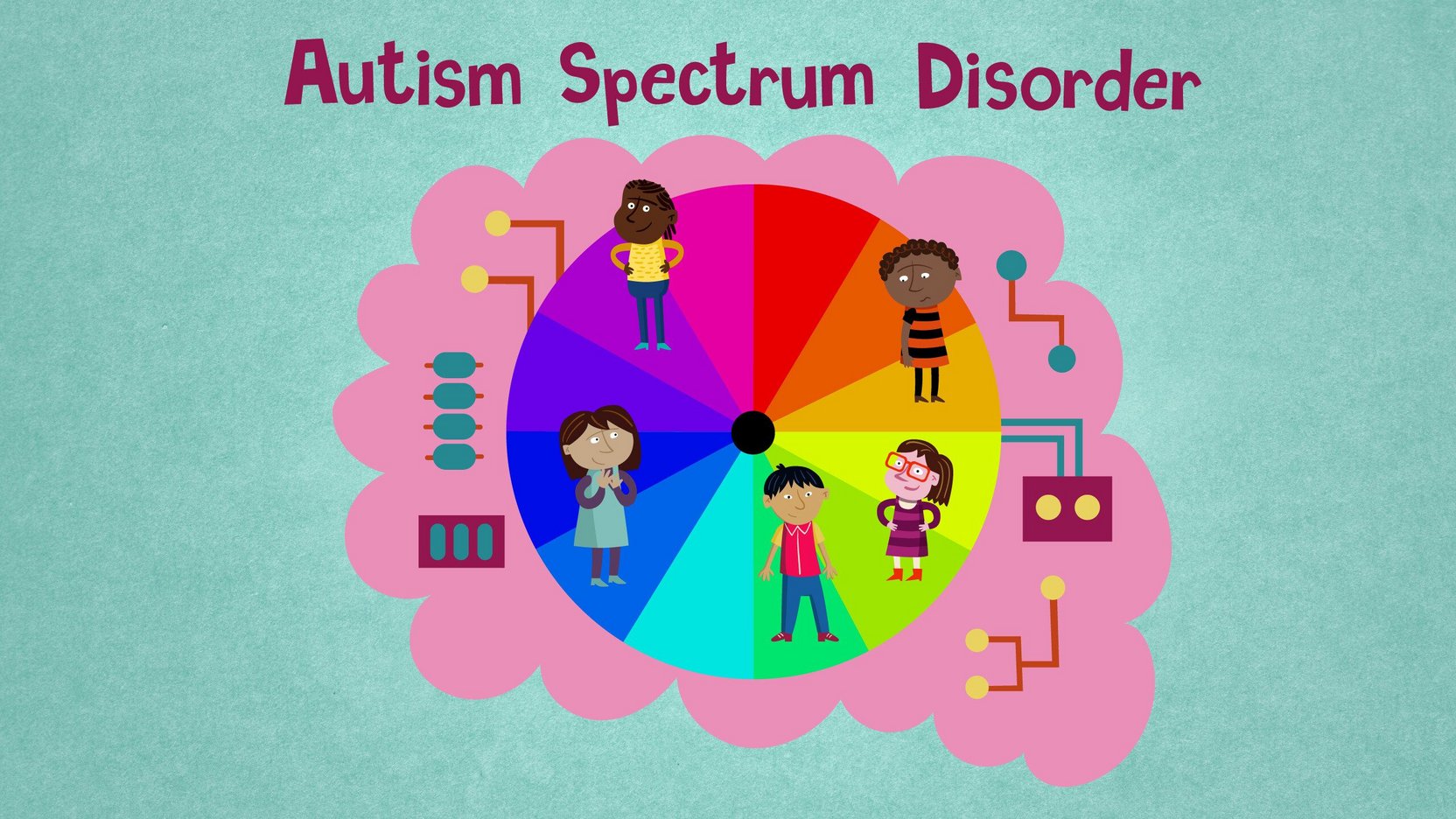
Autism spectrum disorder is a condition that affects how people communicate, connect with others, and experience the world. Although it is often referred to as one condition, it actually includes a wide variety of abilities, challenges, and experiences. Each person with autism spectrum disorder is unique, and that’s a key thing to remember.
Some people with autism may need help with daily activities like getting dressed, eating, or asking for what they need.
Others may live on their own, go to college, or do very well in areas like music, math, or technology. These differences happen because autism is connected to how the brain develops from an early age. The brain processes information differently from how most people do.
One common feature of autism is difficulty with social communication.
This doesn’t mean people don’t care about others. It can feel confusing or overwhelming to interact with people. Someone might not respond when their name is called, avoid eye contact, or have trouble understanding facial expressions or body language. Their words might not match their tone or gestures. Because of this, it can take more time and effort to express feelings and make friends.
Another key part of autism is repetitive behaviors, strong interests, and a need for routine.
This can involve doing the same actions over and over, focusing deeply on specific subjects, or sticking to daily schedules. Even small changes in routine can be stressful or uncomfortable. Sensory experiences are also different. Loud sounds, bright lights, or certain textures may feel too intense, while other sensations might not be noticed at all. These patterns help professionals identify autism during assessments.
There are no blood tests or brain scans to diagnose autism.
Instead, trained professionals use observation, history, and behavior assessments. They follow guidelines like those in the DSM-5-TR to make decisions. Diagnosis usually happens early in life, but some people are identified later, especially if their traits weren’t obvious when they were younger.
In recent years, more people are being diagnosed with autism.
According to the Centers for Disease Control and Prevention, about one in thirty-one children in the U.S. is now on the spectrum. This increase isn’t because autism is becoming more common. Instead, it reflects better awareness, broader definitions, and improved training for professionals. Many people who were previously undiagnosed are now getting support and understanding.
The causes of autism are complex and still being studied.
Research shows that genetics play a big role. Families with one child on the spectrum have a slightly higher chance of having another child with autism. Other factors, like older parental age or certain pregnancy conditions, might also contribute. Extensive research has shown that vaccines do not cause autism, despite myths that still exist.
Modern research is changing how we understand autism.
Scientists now see it as a collection of different biological profiles rather than one condition. Large studies have identified subgroups based on genetics, brain function, and physical traits. Some people experience more intense challenges, while others have mild social difficulties along with anxiety or depression. This growing knowledge is shifting the focus from labels to personalized understanding.
There's also growing interest in the connection between the gut and the brain in autism.
Some research suggests that digestive issues might be linked to more severe symptoms. Though this area is still developing, it shows how autism affects the whole body, not just behavior.
There is no cure for autism, and no single treatment works for everyone.
Support focuses on helping people develop skills that improve daily life. The early years, especially before school, are critical for learning communication and social skills. Structured programs with consistent routines often work best. One common approach is applied behavior analysis, which uses small rewards to encourage positive behaviors and gradual learning.
Support for autism continues throughout life.
Medications can’t change the core traits of autism, but they may help manage related issues like anxiety, mood problems, or attention difficulties. As people grow older, new challenges come up, like finding jobs, living independently, and making social connections. Many autistic adults face mental health challenges and difficulties at work, showing the importance of long-term support.
Living with autism means experiencing the world in a different way, not in a wrong way.
As science learns more and society becomes more accepting, we’re slowly learning to value these differences. The main goal is not to force people to fit into narrow expectations, but to create environments where those with autism can grow, contribute, and live as their authentic selves.