Acupressure Therapy: Natural Healing Technique for Pain & Wellness
Nowadays, more individuals are seeking alternative methods to maintain health and balance, and acupressure has become one of the simplest and most effective options. Rooted in traditional Chinese medicine, it involves gently pressing specific body points to promote the flow of energy, known as “Qi,” and aid the body’s natural healing processes. Unlike acupuncture, which uses needles, acupressure relies solely on finger pressure, making it a safe, non-invasive, and accessible practice for both home use and guided therapy.
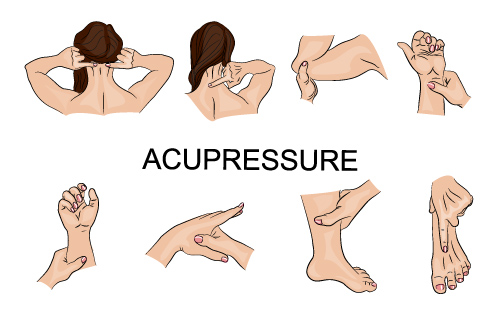
The idea behind acupressure is that the body has a network of energy pathways called meridians. When these pathways are disturbed (blocked or out of balance), it can lead to pain, stress, or health issues. By applying pressure to certain acupoints along these meridians, acupressure helps restore balance, release tension, and improve overall well-being. These points are mainly found on the hands, feet, back, and ears, among other areas of the body, each connected to different physical or emotional functions.
One of the key features of acupressure is how well it relieves stress and promotes relaxation. In today’s fast-growing world, chronic stress is common, mostly resulting in fatigue, anxiety, and even more serious health concerns. Regular acupressure sessions may help relieve muscle tension, lower stress hormones, and create a sense of calm. Many people notice a feeling of lightness and relaxation immediately after a brief session, just the thing to help you relax after a busy day.
Acupressure is also widely used for pain management. Headaches, neck stiffness, back pain, and joint discomfort often respond well to this therapy. For example, pressing the LI4 point between the thumb and index finger can help relieve headaches, while the LV3 point on the foot may ease tension and boost circulation. By targeting specific points, acupressure can reduce pain naturally, offering a gentle alternative to medication.
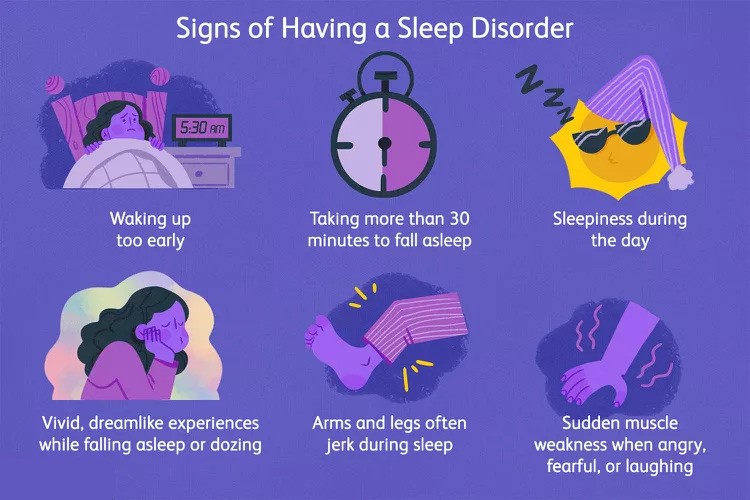
Beyond stress and pain relief, acupressure can improve sleep quality. Many people struggle with insomnia or restless nights caused by stress or anxiety. Pressing certain acupoints before bed can calm the mind, soothe the nervous system, and help the body drift into deeper, more restful sleep—all without relying on pills or other medications.
One of the most noticeable things about acupressure is its variety. It can support digestion, boost immunity, and even enhance emotional well-being. For example, acupoints on the abdomen and stomach can help relieve bloating and aid digestion, while points on the chest and shoulders may strengthen the immune system and support respiratory health. Emotional balance can also be achieved through acupressure, as some points help release stored tension and encourage mental clarity.
One reason acupressure is so widely practiced is its simplicity to learn. With minimal guidance, anyone can pick up basic techniques, and even spending just ten minutes can make a difference. Practicing self-acupressure gives people a sense of control over their health, allowing them to actively participate in their well-being. Over time, those who practice regularly often notice more energy, reduced discomfort, and a stronger sense of balance in their lives.
While generally safe, it’s important to use the right technique when practicing acupressure. Pressure should be firm but gentle, and points are typically massaged in a circular or steady motion for several seconds to a few minutes. Pregnant individuals, people with certain medical conditions, or those taking medication should check with a healthcare professional before starting acupressure, as some points may be off-limits. Guidance from a trained practitioner can also help ensure the therapy is as effective as possible.
Research on acupressure is showing that this gentle practice has real benefits. It’s been found to help reduce pain, lead to better sleep, and lower everyday stress. For instance, cancer patients have used it to ease nausea from chemotherapy, and people with chronic back pain have seen real improvement from regular sessions. This growing evidence tells us that acupressure is more than just an ancient technique—it's a simple, scientifically-backed therapy that works well with modern medicine.
Another advantage of acupressure is its flexibility. It can be done alone, alongside other therapies, or incorporated into wellness routines like yoga and meditation. Pairing acupressure with deep breathing can enhance relaxation, and combining it with gentle stretches can improve circulation and flexibility. This adaptability makes it a valuable part of any holistic health plan.
In addition to physical benefits, acupressure encourages greater awareness of the body. By paying attention to tension points and the flow of energy, individuals can better understand how stress, posture, and lifestyle choices affect their health. This mindfulness promotes proactive self-care and can lead to long-lasting improvements in well-being.
In short, acupressure is a powerful, flexible, and accessible therapy with benefits for both mind and body. From relieving stress and easing pain to improving sleep, supporting digestion, and promoting emotional balance, acupressure taps into the body’s natural ability to heal itself. Its gentle, non-invasive nature makes it suitable for almost anyone, and growing research confirms its effectiveness.
By practicing acupressure, you’re not just learning a technique—you’re embracing a lifestyle that nurtures mind, body, and spirit. With regular practice, acupressure can help you achieve balance, vitality, and a deeper connection to your body’s own wisdom, transforming not only your health but also your daily well-being.