An Endocrinological Perspective on Polycystic Ovary Syndrome
Polycystic Ovary Syndrome, or PCOS, affects a large number of women worldwide. In fact, around one in ten women will experience it at some point. However, many women don't know they have it for a long time. That's because PCOS can show up differently in different people, and its symptoms are often ignored or misunderstood. It's not only about having trouble getting pregnant, and it's not something that's caused by poor choices, as many women are wrongly told.
At its heart, PCOS is a hormonal condition.
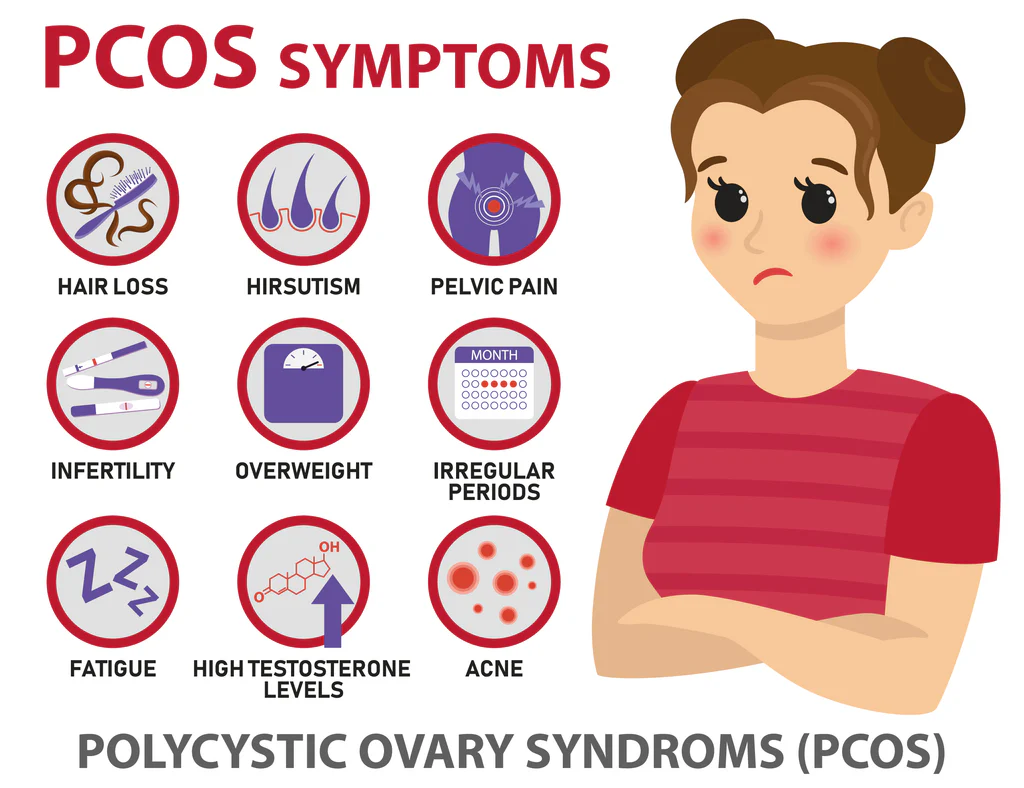
Hormones are the messengers that help control many important things in the body, such as periods, how the body uses energy, skin health, and mood. When these hormones get out of balance, they can cause a wide range of issues. Some women might have irregular periods, others might have acne or more hair than usual, and some might gain or lose weight or feel tired all the time. Because the symptoms can vary so much, PCOS can be hard to notice.
The name can be confusing too.
Even though it's called Polycystic Ovary Syndrome, not everyone with PCOS actually has cysts on their ovaries. Also, having ovarian cysts doesn't mean someone has PCOS. Doctors usually look for three main signs to diagnose it: irregular or missed ovulation, higher than normal androgen levels (sometimes called male hormones), and ovaries that look full of small follicles on an ultrasound. You need at least two of these signs for a diagnosis, which is why people with PCOS can have very different experiences.
One key feature of PCOS is high androgen levels.
These hormones are natural in women, but when they're too high, they can cause problems like acne, thinning hair on the head, or extra hair on the face or body. Another big part of PCOS is insulin resistance. Many women with PCOS produce insulin but don't use it properly. This leads to higher insulin levels, which then cause the ovaries to make more androgens. It's a cycle that is hard to break.
Over time, insulin resistance related to PCOS can increase the risk of developing type 2 diabetes.
Studies show that nearly half of women with PCOS may have high blood sugar levels before they are 40. That's why doctors now focus more on early diagnosis and long-term health monitoring, not just on fertility issues.
The emotional impact of PCOS is also important, but it's often overlooked.
Many women with PCOS feel more anxious, depressed, or exhausted. Dealing with irregular periods, changes in appearance, and constant doctor visits can be tough. For young women, symptoms like weight gain, hair loss, or acne can deeply affect confidence. Getting a PCOS diagnosis can be both comforting and scary—finally there's an answer, but it also brings many new questions about the future.
Managing weight is one of the biggest challenges associated with PCOS.
Because the condition affects how the body uses energy, advice like “eat less and move more” doesn’t always work. Many women gain weight easily and have trouble losing it, even when they’re trying hard. Unfortunately, some healthcare conversations focus too much on weight, making women with PCOS feel blamed instead of supported.
The good news is that PCOS can be managed effectively with the right care.
Treatment varies depending on symptoms and personal goals. Birth control pills are often used to regulate periods, lower androgen levels, and protect the uterus. For women trying to get pregnant, medications like letrozole or clomiphene can help encourage ovulation. Metformin, a drug used for diabetes, can also help improve insulin sensitivity and may help bring back regular periods in some women with PCOS.
Lifestyle changes are still important, but the conversation is becoming healthier.
Instead of focusing too much on weight, doctors now emphasize improving metabolic health. Eating balanced meals that include protein, fiber-rich carbs, and healthy fats can help stabilize blood sugar. Regular activity, whether it's walking, strength training, or stretching, can help improve insulin sensitivity and energy levels, even if weight doesn’t change much. These small steps can make living with PCOS more manageable.
Research on PCOS is growing.
Genetics seem to play a role, especially for women with a family history of the condition. Scientists are also looking into whether high androgen levels before birth might make someone more likely to develop PCOS later in life. This new understanding is helping to remove the unfair stigma that has long been associated with the condition.
New studies are also looking at the gut microbiome and chronic inflammation in relation to PCOS.
Women with PCOS often have different types of gut bacteria compared to those without it, which might affect hormones and metabolism. While these findings are still emerging, they offer hope for new treatment approaches in the future.
Perhaps the biggest change around PCOS is happening socially.
Women are sharing their stories openly, connecting through online communities, and supporting each other. These shared experiences are helping doctors better understand the daily challenges of living with PCOS, beyond just lab results and ultrasounds.
Living with PCOS isn't about finding a quick fix—it's about long-term care, understanding, and self-compassion.
With early diagnosis, informed treatment, and supportive conversations, women can lead full, healthy lives. Understanding PCOS is the first step toward reducing fear, removing stigma, and empowering those affected to make choices that truly support their well-being.