Modern Fasting: Finding Balance Between Faith and Physical Health
Fasting is an idea that feels both old and new.
For hundreds of years, people used it for spiritual reasons, to reflect, and to practice self-control. Now, the same concept shows up in gyms, wellness apps, and even in doctors’ offices. Though the reasons for fasting have changed over time, the basic idea is still the same: taking purposeful breaks from eating. This article explores how fasting has moved from sacred traditions into scientific conversations and why people keep looking into it for both mental and physical benefits.
Long before there were nutrition labels or calorie counters, fasting was a regular part of life for many communities.
It wasn’t about losing weight or speeding up metabolism back then. Instead, it was closely connected to beliefs, discipline, and meaning. In many cultures, choosing not to eat for a period of time was seen as a way to clean the body and sharpen the mind. Even today, many people still turn to fasting as a way to connect with themselves, not just to change their eating habits.
In religious traditions, fasting has deep meaning.
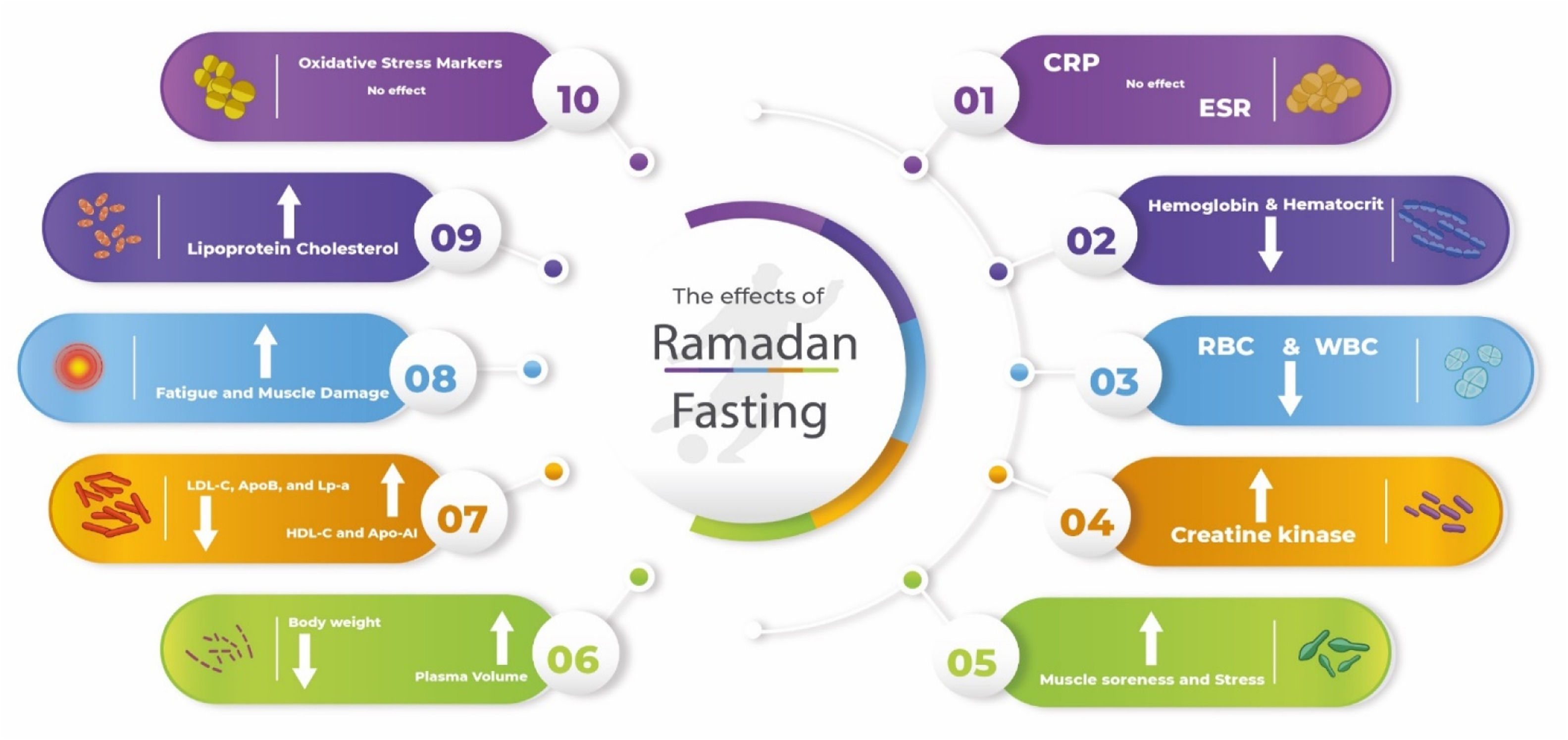
During Ramadan, Muslims don’t eat or drink during the day, using that time to practice patience, thankfulness, and compassion. In Judaism, Yom Kippur involves a full day of fasting focused on reflection and forgiveness. Christianity also has a history of fasting, especially during Lent, where it became a sign of humility and spiritual focus. Hindu practices also include fasting on certain days to build self-control and awareness. In all these traditions, fasting was never just about not eating—it was about having a purpose.
Fasting has also played a role in social and political movements.
Leaders like Mahatma Gandhi used it as a peaceful way to protest injustice and raise awareness about moral responsibility. In those moments, fasting became a form of resistance, showing that the body itself can speak powerful messages. Whether it was spiritual or political, the act of fasting always carried meaning beyond just food.
In recent years, science has taken a fresh look at fasting.
Researchers are now studying not just what people eat, but when they eat. This has led to the rise of structured eating patterns often called intermittent fasting. Some people eat within a set window each day, while others cut calories on certain days of the week. A few even go longer without food, though doctors usually suggest caution with extreme approaches.
What happens in the body during fasting is quite complex.
After about twelve hours without food, the body starts using stored glucose for energy. Once that runs out, the body switches to burning fat and produces ketones. This change in fuel sources is why some people feel more alert or energized while fasting. It’s not magic—it’s the body adjusting to a new routine.
Extended fasting also activates a natural process called autophagy, which helps remove damaged parts of cells and recycle them for energy.
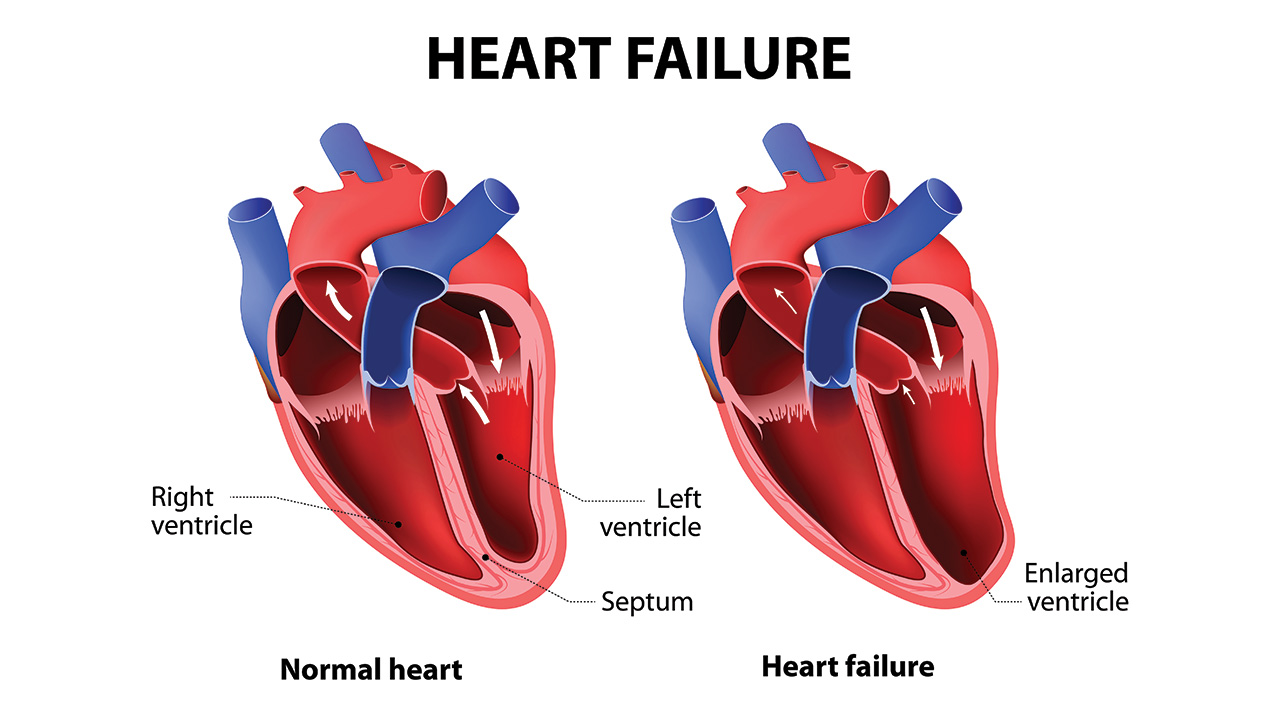
Scientists believe this may help reduce inflammation, improve blood sugar control, and support heart health. Some studies suggest fasting could lower cholesterol and improve insulin sensitivity. While research is still ongoing, these findings help explain why fasting continues to be of interest.
That said, fasting isn’t a cure-all.
Like any lifestyle choice, it has both advantages and challenges. On the positive side, many people find that fasting naturally reduces calorie intake without needing to track it constantly. Weight loss, especially around the waist, is often reported. Blood sugar levels may stabilize over time, and some evidence suggests it could support brain health as people age. Athletes sometimes use fasting to improve how their body uses energy, without losing muscle strength.
However, fasting can feel tough, especially at first.
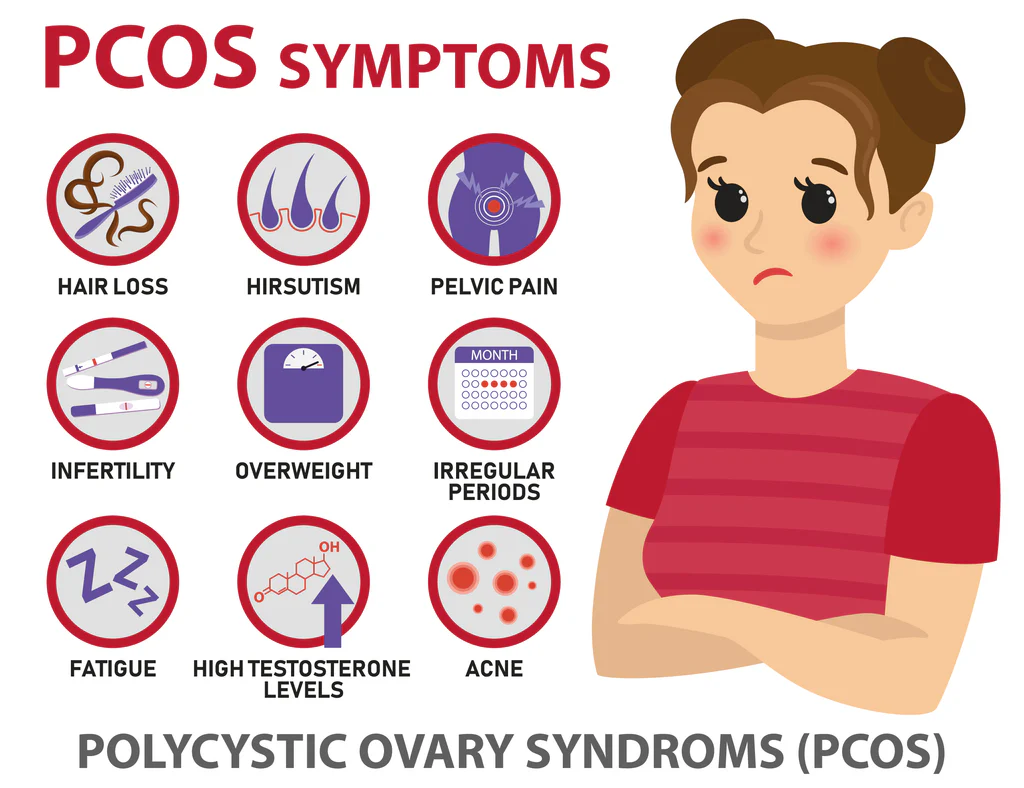
Headaches, dizziness, fatigue, and irritability are common early on. These symptoms often come when blood sugar drops or when hydration is not enough. For some people, the mental stress of fasting might outweigh the benefits. Women may notice changes in their menstrual cycle if fasting becomes too intense or lasts too long. Hormones are sensitive to energy balance, and the body can react when it feels stressed.
Certain groups should avoid fasting unless guided by a healthcare professional.
People with a history of eating disorders, children, pregnant or nursing women, and those with diabetes need extra care. For them, fasting can interfere with growth, hormone balance, or blood sugar control. Safety always comes first, no matter how popular a trend is.
In the end, fasting is about what works for you.
What’s easy for one person might not work for another. The most important question isn’t how long you can go without eating, but whether your approach supports your overall well-being. Sustainable habits matter more than extreme discipline.
Fasting reminds us that health isn’t just about food—it’s about balance.
Rest, movement, nourishment, and timing all play a role. If fasting fits naturally into your life and feels supportive, it could offer some benefits. If not, that’s okay too. Listening to your body will always be more valuable than following a popular method.