Acupuncture Therapy: Traditional Healing for Pain & Wellness
Even with all the modern breakthroughs in medicine today—such as advanced drugs, robotic surgeries, and cutting-edge diagnostics—one very old healing practice still holds its ground named as acupuncture. It might seem surprising that a method developed over 2,000 years ago in ancient China continues to be used around the world, but its continuous presence tells a story of quiet effectiveness rather than loud promises.
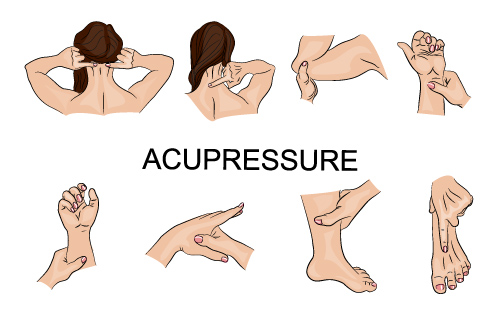
At its core, acupuncture involves putting very thin, sterile needles into specific points on the body.
These needles don't go deep, and they're not meant to hurt. Instead, they gently activate certain areas to help the body heal itself. While it may look simple, the ideas behind acupuncture are layered and thoughtful, shaped by centuries of observation and experience.
Traditional Chinese Medicine explains acupuncture through the concept of Qi, which is described as the body's vital energy.
Qi is believed to flow through unseen pathways called meridians, like streams running through a landscape. When this energy flows smoothly, the body feels balanced and healthy. When it becomes blocked, weak, or overstimulated, discomfort and illness may appear. Acupuncture aims to restore this balance by guiding energy back into harmony.
An experienced practitioner doesn't randomly place needles.
Each point is chosen with intention. By working along specific meridians, acupuncture helps clear blockages, strengthen weak areas, and calm excess energy. The idea isn't to force the body into healing, but to encourage it gently. Over time, the body responds, often in subtle but meaningful ways.
Many people feel nervous before their first acupuncture session, mostly because they imagine painful injections.
In reality, the needles used are extremely fine—often no thicker than a strand of hair. Most people barely feel them. Some notice a quick pinch, followed by warmth, heaviness, or a mild tingling sensation known as "de qi." This feeling is often taken as a sign that the treatment is working.
Once the needles are in place, patients usually rest for about 20 to 40 minutes.
During this time, many feel deeply relaxed. Some even fall asleep. Acupuncture works gradually, not instantly. Practitioners often recommend multiple sessions to allow the body to adjust and heal at its own pace.
One of the most well-known benefits of acupuncture is pain relief.
Research has shown that it can help with chronic lower back pain, stiff necks, sore joints, arthritis, and recurring headaches. Organizations like the U.S. National Institutes of Health recognize acupuncture as a helpful option for managing long-term pain.
Modern science offers some explanations for how acupuncture works.
When needles stimulate certain points, they activate nerve endings in the skin and muscles. These signals travel to the brain and spinal cord, prompting the release of natural pain-relieving chemicals such as endorphins. There may also be changes in how the brain processes pain and inflammation. Even if the language of Qi doesn't match modern anatomy, the physical effects of acupuncture are measurable and real.
Pain relief, however, is only part of the picture.
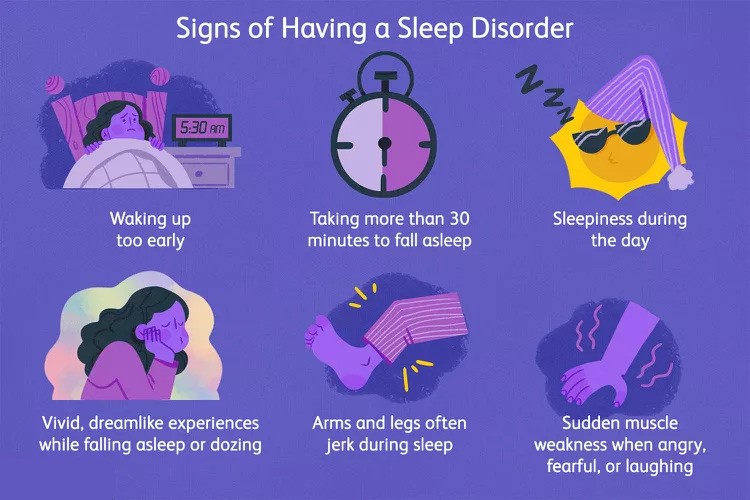
According to the World Health Organization, acupuncture has shown benefits for a wide range of conditions. It is commonly used to reduce nausea after surgery or chemotherapy. People with allergies sometimes find relief from congestion and sinus pressure. Sleep problems, stress, anxiety, and mild depression may also improve with regular treatment.
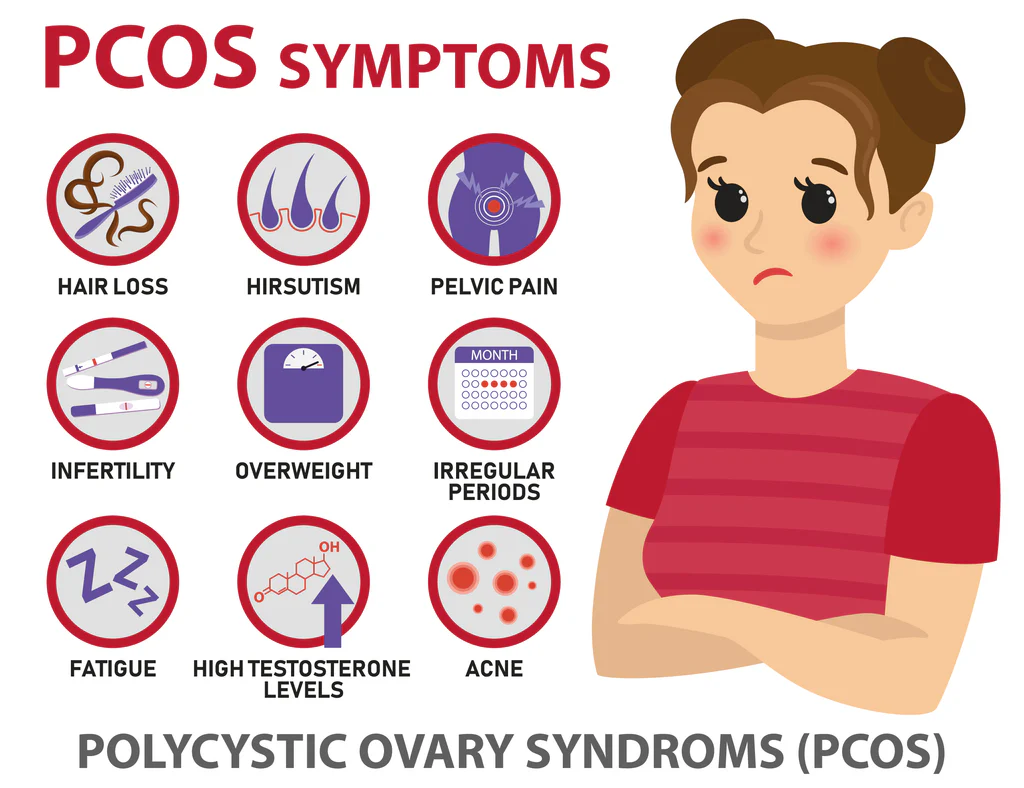
Women often turn to acupuncture for menstrual irregularities, fertility support, and pregnancy-related discomforts like back pain or nausea.
While it doesn't replace medical care, acupuncture is frequently used alongside conventional treatments to support overall well-being.
One of the strengths of acupuncture is that it looks beyond isolated symptoms.
A headache, for example, isn't always treated as just head pain. A practitioner may ask about sleep habits, diet, stress levels, and digestion. The goal of acupuncture is to understand the whole person, not just the problem they point to.
This broader approach has helped acupuncture find its way into many Western hospitals.
Today, it's often offered in pain clinics, cancer centers, and rehabilitation programs. Cancer patients, in particular, may use acupuncture to ease side effects like fatigue, nerve pain, and nausea. While it doesn't cure disease, it can make difficult treatments more manageable.
Of course, acupuncture isn't without debate.
Some critics question whether the exact placement of needles matters or if simply stimulating the skin produces the same effect. Research is ongoing, and results can vary depending on the condition being treated. Still, many people report feeling better, and that lived experience continues to drive interest.
Choosing the right practitioner is essential.
A licensed acupuncture professional undergoes extensive training and follows strict safety standards. During your first visit, you can expect a detailed consultation. Practitioners may examine your pulse, look at your tongue, and ask questions that seem unrelated at first—but all help guide treatment decisions.
At its heart, acupuncture reminds us that healing doesn't always need force.
Sometimes, gentle signals work best. Whether explained through energy flow or nerve pathways, the idea remains the same: the body has an incredible ability to heal when given the right support. Acupuncture has survived centuries not because it shouts, but because it listens. And often, that quiet approach makes all the difference.