The Intimate Link Between Sleep Disturbance and Psychiatric Disorders
For a long time, doctors and mental health experts thought that sleep issues were just a side effect of mental illnesses like depression, anxiety, or bipolar disorder. If a person had trouble sleeping, it was usually assumed that their mental health problem was the main issue, and sleep would get better once that problem was treated. But now, that belief is changing quickly. New research shows that sleep problems and mental health issues are connected in a complex, ongoing way that goes both ways.
What we now know is that sleep problems aren’t just symptoms.
In many cases, sleep issues and mental health conditions affect each other in equal ways. Poor sleep can act as an early signal, a risk factor, or even a direct cause of mental health problems. At the same time, mental health conditions can heavily disrupt sleep. Understanding this link is key to improving diagnosis, treatment, and long-term prevention.
Sleep issues are very common among people with mental illness.
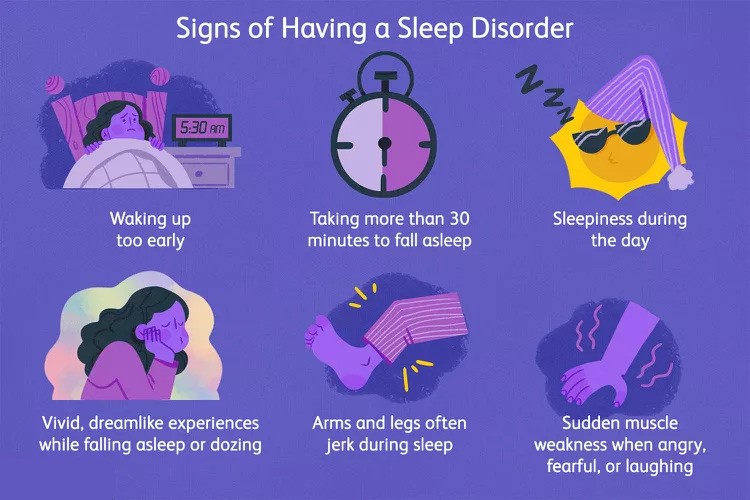
Studies show that between 50 and 80 percent of people with psychiatric conditions have major sleep problems. This includes trouble falling asleep, staying asleep, sleeping too much, having vivid dreams, or not having a regular sleep schedule. One big study of psychiatric patients found that over 80 percent had long-term sleep problems. These numbers show that sleep problems and mental health issues are closely related at the biological level, sharing parts of the brain that control mood, thinking, and perception.
One strong piece of evidence comes from studies that follow people before mental health problems develop.
These studies suggest that sleep issues often start before mental illness, with sleep problems appearing first. The Adolescent Brain and Cognitive Development Study followed more than 11,000 children and found that sleep problems were among the strongest predictors of future mental health issues—stronger even than family history. This shows that sleep problems are not just small issues; they can be early signs of serious mental health risks.
This pattern also happens in people at high risk for psychosis.
Specific sleep problems often happen along with early signs like hallucinations, paranoia, or thinking difficulties. In mood disorders, the link between sleep and mental health is especially clear. Research shows that nearly 90 percent of people have changes in sleep before a depressive episode, and more than three-quarters show sleep signs before a manic episode. These early changes are sometimes called “chronos syndrome,” meaning they act as signals that a mental health relapse may be coming.
Once a mental illness is present, sleep problems can make things worse.
Sleep issues and mental health can form a cycle where poor sleep makes emotional symptoms worse, and worsening symptoms further mess up sleep. People who have both tend to have more severe illness, slower recovery, and a poorer outlook overall.
Hospitals see this clearly.
People with ongoing sleep issues are more likely to be admitted, stay longer, and need more emergency care. This shows how ignoring sleep problems and mental health can increase the risk of serious situations. Sleep problems are also a strong, independent risk factor for suicidal thoughts and actions, which makes assessing sleep an important part of mental health care.
Different mental health conditions show different sleep patterns.
In major depression, people often struggle to fall asleep, wake up multiple times at night, or wake up too early. Brain studies show that depression changes deep sleep and messes up the timing of REM sleep. In bipolar disorder, sleep issues and mental health symptoms shift with mood. During mania, people may not sleep at all, while depressive episodes can bring too much or broken sleep. Unstable sleep patterns play a big role here.
Schizophrenia is one of the mental health conditions with the most severe sleep issues.
People often have irregular sleep schedules, poor sleep quality, and a lack of sleep spindles—brain patterns that help with learning and memory. This might explain why sleep problems and mental health issues in schizophrenia are so closely linked to cognitive difficulties.
Trauma-related conditions like PTSD also show a strong connection.
Nightmares affect up to 90 percent of people with PTSD and keep the brain in a state of alertness. These nightmares stop the brain from healing and reinforce fear responses, strengthening the link between sleep issues and mental health.
Because sleep problems show up in many different mental health conditions, researchers now suggest a "transdiagnostic" approach.
Instead of treating sleep as a separate issue, this model looks at sleep problems and mental health as a shared core issue. One long-term study that followed people for 30 years found that poor sleep was closely tied to the severity of personality disorders, anxiety, and depression. Improving sleep helped reduce symptoms in multiple conditions, not just one.
Treatment approaches are changing because of this understanding.
Addressing both sleep issues and mental health is becoming a main focus. Cognitive Behavioral Therapy for Insomnia (CBT-I) is now a top treatment. It doesn’t just improve sleep—it can also reduce depression, anxiety, and even paranoid thoughts. Other treatments, like light therapy for circadian rhythm problems or imagery rehearsal therapy for trauma-related nightmares, can be life-changing.
Medications can also help, including some antidepressants and newer drugs designed to target sleep, but they must be used carefully.
Some sleep aids can worsen mental health symptoms or cause strange sleep behaviors. This makes it even more important to treat sleep issues and mental health together in a thoughtful way.
In the end, sleep isn’t just passive rest.
It’s an active process where the brain manages emotions, organizes memories, and clears harmful waste. When sleep is disturbed, mental stability is affected. Recognizing and treating sleep issues and mental health side by side offers a powerful way to prevent problems, support recovery, and promote lasting mental well-being.