Aromatherapy: Benefits, Uses, and Health Effects
In recent times, the addition of alternative and complementary treatments alongside conventional medicine has become increasingly popular. Aromatherapy is one of the notable complementary approach, utilizing essential oils as key therapeutic substances for addressing a variety of health issues. These essential oils, also known as volatile oils, are derived from various plant components, including flowers, bark, stems, leaves, roots, fruits, and other parts, using different extraction techniques. This practice emerged following researchers' discoveries related to the antiseptic qualities and skin absorption capabilities of essential oils.
Plants have been doing this quietly for ages. Long before laboratories measured molecules, people trusted green matter that released fragrance. Egypt used plant extracts not only in rituals, but also while dressing wounds or preparing skin at home. In India, aromatherapy found a place within Ayurveda, where scent was believed to shape mood and vitality. In China, herbal aromas supported balance because harmony mattered most. Across cultures, aromatherapy carried the same idea: nature holds remedies if people learn to use them with care.
It all started by chance, when a French scientist
René-Maurice Gattefossé discovered lavender eased burn damage. That single experience sparked curiosity among researchers, linking traditional knowledge with scientific study. From there, aromatherapy moved into homes, clinics, retreats, and hospitals, becoming a quiet companion to modern life rather than a passing trend.
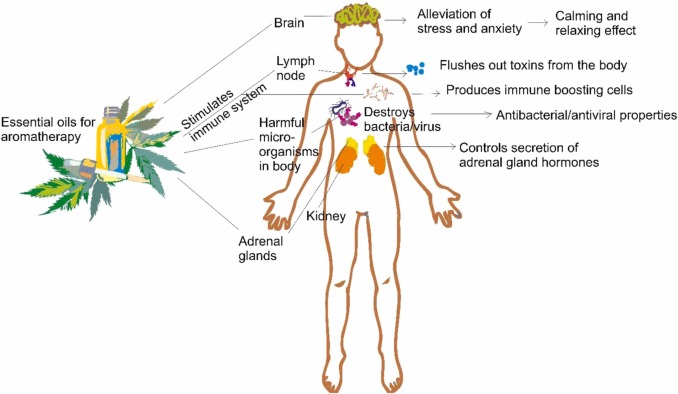
Smell reaches deep into the brain, connecting directly to emotion and memory. That pathway explains why aromatherapy can shift mood without effort or explanation. Calm scents may soften tension quickly, while bright ones like lemon sharpen focus. In aromatherapy, change happens quietly, without willpower, simply through breathing.
Many people turn to aromatherapy when emotions feel heavy. Stress, restless thoughts, and mental fatigue shape daily life. Lavender often eases tightness in the chest, while bergamot and sweet orange lift what feels dull or weighed down. A single mindful breath during aromatherapy can change the rhythm of an entire afternoon.
Aromatherapy can be a really helpful in terms of medical care, whether it’s used in hospitals, clinics, or private practice. It’s often used to support people dealing with things like cancer, dementia, or depression, mainly by helping them relax, feel calmer, or cope better with symptoms. Essential oils can also be useful for men in everyday health concerns, including stress, poor sleep, back pain, urinary tract infections, rectal abscesses, and even sexual health. While it’s not a replacement for medical treatment, it can be a simple, natural way to support overall well-being.
The body responds too. Headaches may loosen under peppermint’s cool presence. Digestive discomfort can soften. Eucalyptus helps clear breathing when airways feel tight. Tea tree oil appears often in cleansing products, showing how aromatherapy bridges wellness and daily care. While it does not replace medical treatment, aromatherapy can support comfort alongside it.
Touch deepens the experience. Massage combined with aromatherapy allows scent and movement to work together. Muscles relax, circulation improves, and racing thoughts begin to slow. At night, aromatherapy rituals help signal the body that rest is allowed.
Skin care becomes something more intentional through aromatherapy. Rose oil does more than soften skin; it invites pause and presence. Geranium brings balance, while lavender supports both the nervous system and the surface of the body. In aromatherapy, these oils are not solutions but invitations to slow down.
Spaces change when aromatherapy enters them. Hospitals diffuse light fragrances to soften stressful environments. Waiting rooms feel calmer. Yoga studios use aromatherapy to connect breath and stillness. Meditation deepens when scent gently guides attention inward.
Science continues to explore how aromatherapy influences mood and daily function. Still, care and respect matter. Quality oils, correct dilution, and personal sensitivity are essential. Pregnant women, children, and those with medical conditions should seek advice before using aromatherapy.
In the end, aromatherapy is just a simple way to help your body reset. It’s not a magic cure, but it’s a reliable tool for those moments when you just need to catch your breath and feel like yourself again.