Heart Failure: Causes, Symptoms, Treatment & Prevention Guide
Life often feels normal—until something small starts to change. For many people, that change comes in the form of heart failure, a condition that affects millions globally. It can sound scary, even like the end, but heart failure doesn’t mean the heart suddenly stops working. Instead, it means the heart gradually loses its ability to pump blood as well as the body needs. This happens slowly, often so slowly that people don’t notice until everyday tasks feel harder than usual.
In heart failure, the heart is still beating, still working—but not as well as it should.
The body needs a steady flow of oxygen-rich blood to function properly. When this flow weakens, the organs struggle. People feel constantly tired. Breathing becomes more difficult. Simple things like walking, climbing stairs, or even lying flat in bed can be uncomfortable. Because these changes happen slowly, heart failure can go unnoticed for years.
Many things can lead to heart failure.
Damage from a previous heart attack, blocked blood vessels, long-term high blood pressure, and chronic stress all put strain on the heart. Over time, the heart muscle becomes weaker or stiffer. As people live longer, more people are developing heart failure, which makes early recognition even more important.
One challenge with heart failure is that it isn’t a single condition.
It’s a general term that describes how the heart has trouble working properly. Early symptoms are often very subtle: feeling unusually tired, getting short of breath during light activity, or noticing swelling in the legs, ankles, or abdomen. These signs might come and go, which makes them easy to ignore.
Doctors diagnose heart failure by listening to symptoms, examining the body, and using imaging tests.
One of the most important tests is an echocardiogram, an ultrasound that shows how well the heart pumps blood. This test helps determine how much blood the heart pushes out with each beat, a key measurement that defines the type of heart failure someone has.
There are two main types.
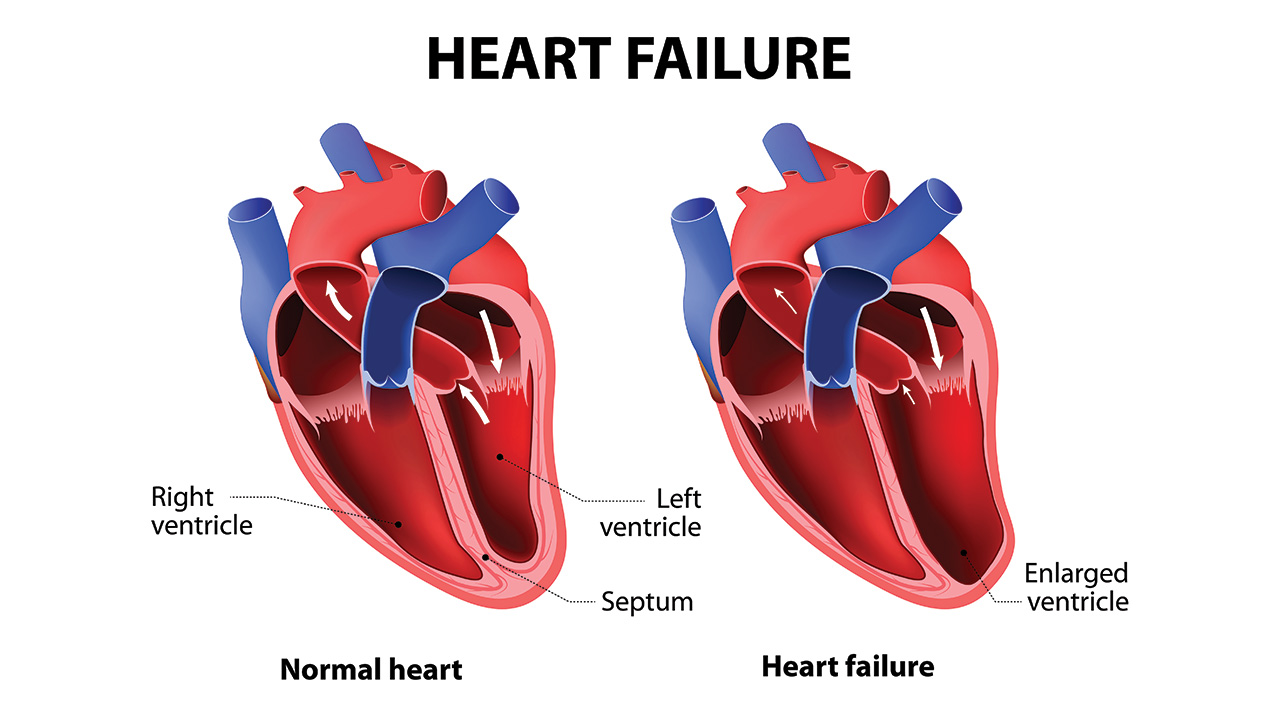
In one type, the heart becomes weak and stretched out. It can’t pump enough blood forward, even though it tries. This type is often called heart failure with reduced pumping ability. In the other type, the heart muscle becomes thick and stiff. It can pump normally, but it can’t relax well between beats. This leads to pressure buildup and fluid retention. Both types of heart failure cause similar symptoms and affect the body in serious ways.
When heart failure develops, the body tries to help.
Hormones are released to increase heart rate and tighten blood vessels so blood can flow faster. At first, these changes help. But over time, they make things worse. Extra fluid builds up, blood pressure rises, and the heart works harder. What started as a helpful response eventually harms the heart more, making heart failure worse.
The causes of heart failure are often related.
Blocked arteries limit oxygen to the heart muscle, leaving behind scar tissue that doesn’t contract well. High blood pressure forces the heart to pump against resistance, causing it to thicken and weaken. Faulty heart valves, genetic muscle disorders, excessive drinking, and certain cancer treatments can also lead to heart failure. Irregular heartbeats, especially atrial fibrillation, place constant strain on the heart and make it harder for it to work properly.
Risk factors for heart failure are similar to those for other long-term health problems.
Aging naturally makes the heart less efficient. Lack of exercise, smoking, obesity, and high cholesterol gradually damage blood vessels. Diabetes weakens both the heart muscle and its blood supply. These issues can exist quietly for years before heart failure finally appears.
The good news is that treatment for heart failure has improved a lot.
Thirty years ago, options were very limited. Today, care focuses on easing symptoms, slowing the disease, keeping people out of the hospital, and helping them live longer, more fulfilling lives. Medications are the main part of treatment for most people with heart failure.
Some drugs help calm the body’s stress response, allowing the heart to work more efficiently.
Others relax blood vessels and reduce harmful hormones. Diuretics help remove extra fluid, easing swelling and breathing problems. Newer drug combinations have made a big difference, offering real improvements in survival for many people with heart failure.
When medications alone aren’t enough, devices can help.
Some implanted devices protect against dangerous heart rhythms, while others help the heart beat in a more coordinated way. For severe cases of heart failure, advanced treatments like mechanical pumps or heart transplants may be considered. While these treatments are complex, they have changed what is possible for people with advanced disease.
Living with heart failure also means making daily changes.
Taking medications exactly as prescribed is essential. Monitoring weight and symptoms helps catch problems early. Reducing salt in the diet helps prevent fluid buildup. Gentle, regular exercise—often under the supervision of a cardiac rehab program—can strengthen the body and improve stamina when heart failure is stable.
Knowing the warning signs is important.
Sudden weight gain, increased swelling, worsening shortness of breath, or extreme tiredness should never be ignored. Responding early can prevent hospital stays and serious complications related to heart failure.
Although heart failure changes life, it doesn’t erase hope.
Medical understanding continues to grow. Treatments are becoming smarter, more targeted, and more humane. Care now focuses not only on survival but also on comfort, independence, and quality of life. People who understand their condition tend to stay healthier longer and spend more time living, not recovering.
Today, heart failure is managed with knowledge, teamwork, and ongoing progress.
Step by step, science is turning what was once overwhelming into something manageable. For many, life with heart failure is no longer defined by fear, but by adaptation, support, and the possibility of better days ahead.