Cold Waves: Causes, Impacts, and Environmental Effects
Cold waves can be pretty tough and cause problems in different parts of the world. They happen when a lot of super cold air moves into an area, making temperatures drop way below normal and stay that way for a while. Instead of regular winter weather, cold waves bring harsh conditions that can affect people's health, farms, buildings, and nature. These weather events aren't only stuff for really cold or mild places. Sometimes, even areas used to calm winters can get into real trouble when it suddenly gets really cold.
When those cold spells hit, it's usually because big atmospheric patterns are driving them. When Arctic air drops south because the jet stream or pressure systems shift, it can push warm air out of the way over large regions. This frequently occurs when the barriers that typically contain the northern chill are not as effective as they ought to be. Consequently, frigid air masses can sweep in swiftly, impacting countless individuals within just a matter of days. Factors such as wind patterns, cloud cover, and the state of the ground all contribute to the severity and duration of these cold events.
Historically, cold waves have significantly influenced human lifestyles. Historical accounts from Europe, Asia, and North America recount winters so harsh that rivers would freeze over completely, crops would fail, and travel would come to a halt. Nowadays, we get improved weather forecasts, so we are prepared for anything. Still, a sudden cold wave can really affect us. When everyone lights up their heaters, it really makes the power grid work overtime, and sometimes it just can't handle such a load, leading to blackouts. It's always the most exposed who get hit hardest during times like these.
Cold waves can be really bad for our health—it's something we absolutely can't ignore. Staying out in really cold weather for too long can be risky for anyone. Many people could end up with hypothermia or frostbite, and if you already have heart or breathing problems, the cold waves can make those much worse. Kids, older folks, and those without a home are particularly vulnerable. When people in cities don't have good insulation or heating, cold waves can turn into huge health issues.
Health problems due to cold waves often result in officials opening emergency shelters and issuing health warnings. They do this to try and keep people safe. Cold waves may also affect farming badly. When temperatures suddenly change, it can create big problems for farmers. It can kill their crops, put their animals in danger, and even disrupt planting schedules. Cold waves can really hurt young plants quickly, making farmers lose money and profit. If it stays cold for a long time in places that depend on winter crops, there might not be enough food to go around. Sometimes farmers try to protect their crops, like by covering plants or planting at different times. But even with these steps, bad weather can still cause damage.
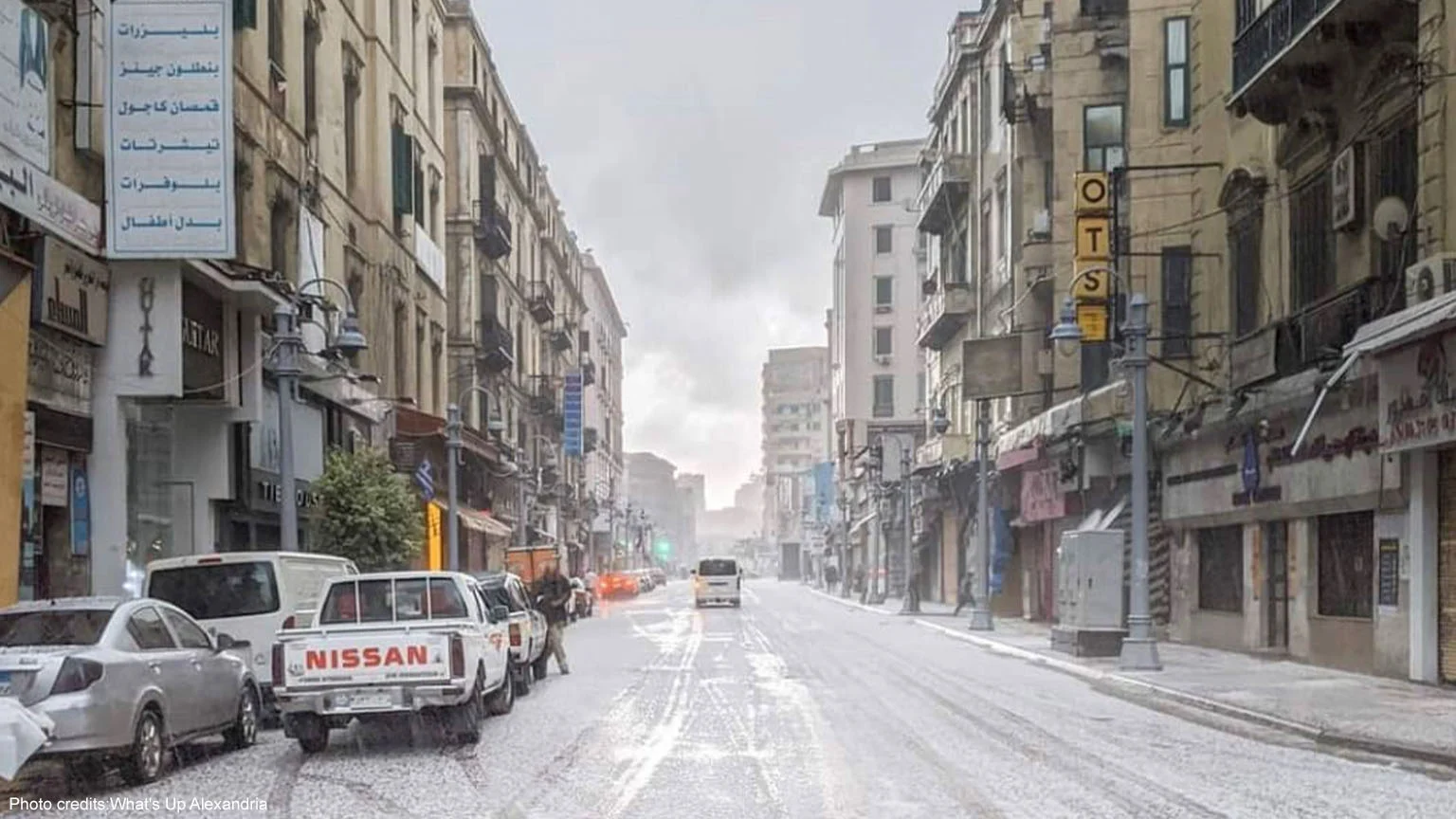
When it gets really cold, infrastructure also takes a hit. Water pipes can freeze and burst, creating messes and turning roads into icy hazards. Railroad tracks can break as metal shrinks in the cold. Planes and boats may face delays, disrupting trade and travel. Even places that usually get really cold winters and plan for them can get caught off guard. When a cold wave is truly extreme, it can overwhelm systems that were built for winter, exposing weaknesses in preparation.
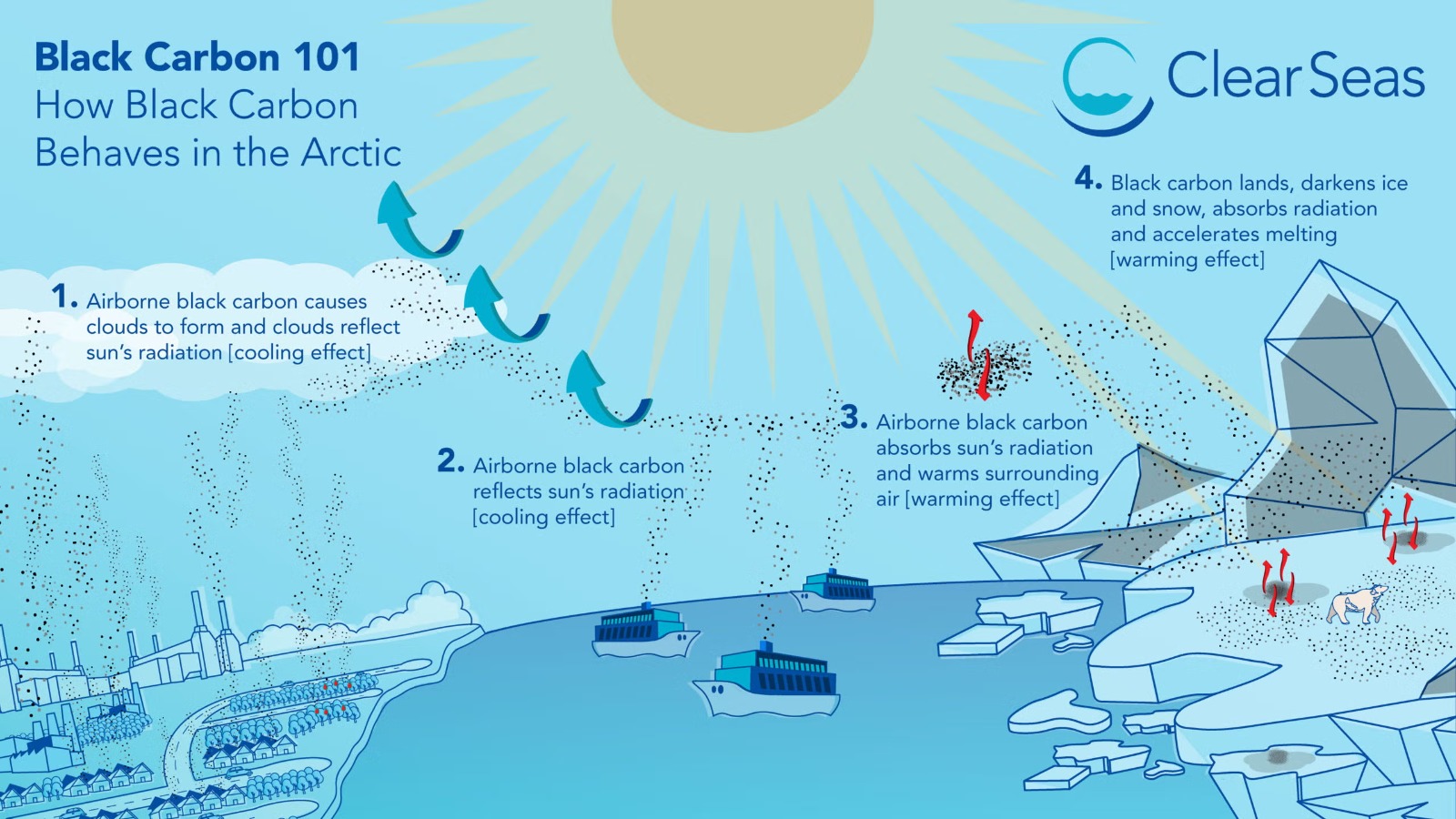
The relationship between climate change and cold waves is complicated. Even though it's getting warmer overall, some studies show that climate change might actually make weather more erratic, causing more intense or frequent cold waves in some places. When the Arctic changes, especially with less sea ice, it could affect air movement, letting cold air dip south more often. It's extremely important to be prepared physically and mentally and to have ways to know when cold waves are coming. Meteorological agencies monitor temperature shifts and air patterns to provide timely weather forecasts.
When an alert comes out, officials can begin emergency plans, secure heating supplies, and notify the public about safety measures. A few simple steps can make a huge difference in keeping everyone safe—dressing in layers, insulating homes, and checking in on neighbors. Cold waves can be especially tough in low-income countries that may lack sufficient resources or infrastructure. People in these communities may struggle with limited heating, poor housing, or difficulty accessing medical care. Even slightly colder temperatures than usual can lead to increased mortality.
Cold waves also impact the environment. They change plant growth, animal behavior, and migration patterns. Some species may struggle with sudden temperature drops, while others may temporarily benefit due to less competition or fewer pests. Current cold waves can disrupt ecological balance, affecting which plants and animals thrive over time. Urban areas feel cold waves differently due to the urban heat island effect—cities usually stay warmer than surrounding areas, but prolonged cold can weaken this effect, causing rapid cooling, particularly overnight.
At last, dealing with cold waves requires research, planning, and community effort. Advanced climate models, better weather prediction, and public education are essential. Cold waves are a significant part of Earth's weather system, but their impact depends on human choices, infrastructure, and preparedness. They highlight how weather can disrupt daily life, health, agriculture, energy, and the environment. Communities that invest in preparation can protect vulnerable populations, mitigate risks, and strengthen resilience against one of nature's most extreme conditions.