Overpopulation: Environmental Impact, Causes & Sustainable Solutions
Overpopulation Becomes a Bigger Worldwide Issue
One big problem changing today’s world? Too many people are living on Earth. When numbers climb fast, everything gets stretched - water, food, cities, forests. Growth once meant strong economies, yet now it hints at deeper troubles ahead. What drives this rise matters just as much as where it leads. Facing facts about impact and fixes becomes unavoidable when space runs thin.
Understanding Population Growth
A crowded place can become strained when too many humans rely on limited supplies. Thanks to better healthcare, cleaner living conditions, and more efficient farming, fewer people die now than before. Saving so many lives has led, unexpectedly, to folks living much longer. Growth speeds up because of that extra time. Some areas keep having large numbers of babies each year - adding pressure without pause.
Why Fast Growth Happens
A rise in population ties closely to missing educational chances, particularly for girls. When schools stay out of reach, bigger families become common - tradition or survival pushes that choice. Money struggles matter too; kids sometimes mean extra hands for work later on. Without clinics offering birth control, surprises happen more often. Each piece connects, quietly shaping how many people arrive.
What also plays a role is lopsided growth. When health systems get better in certain poorer countries, fewer babies die young. Yet traditions around family size often stay unchanged. Because of this gap, more people are born than the land can support. Places that barely manage their water or food face even heavier pressure.
Pressure on Earth's resources
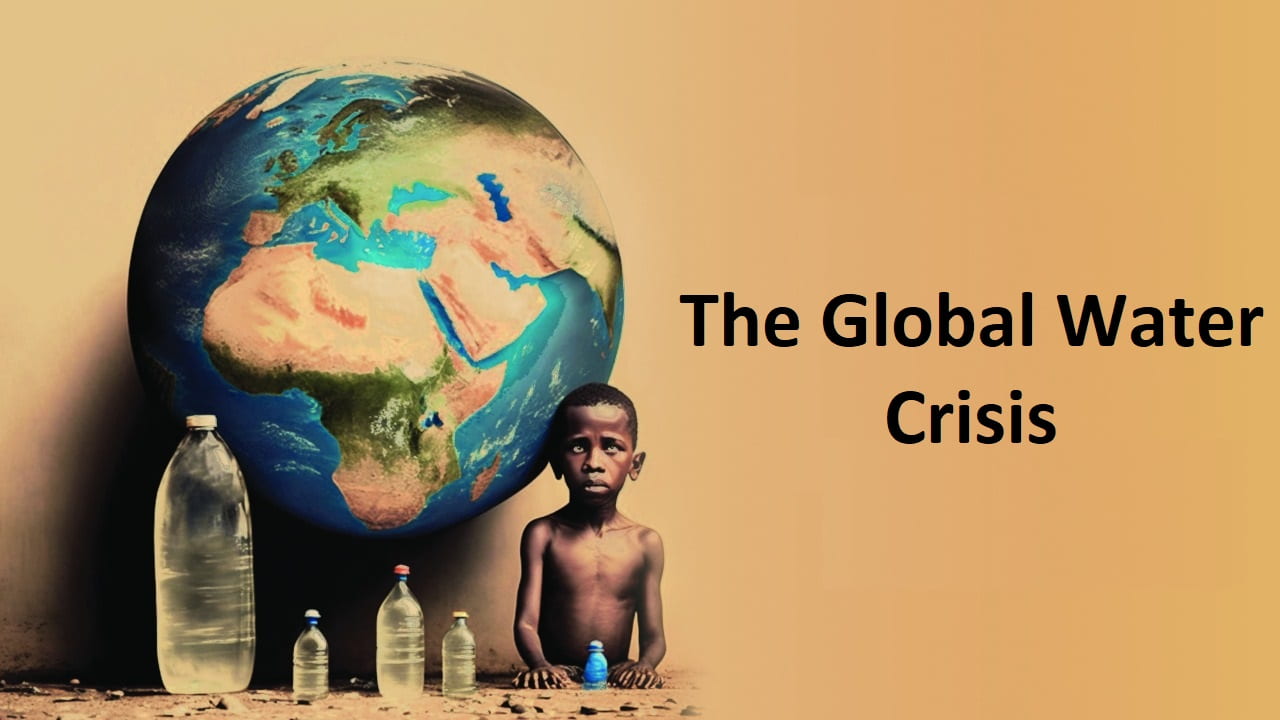
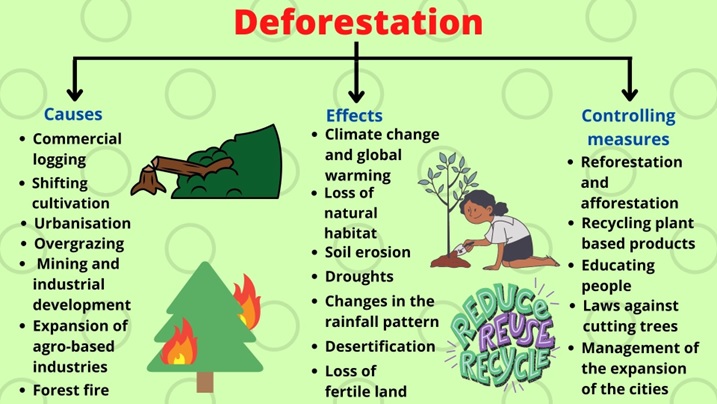
What stands out about overpopulation⁵? Pressure on nature's limits becomes harder to ignore. Water meant for drinking grows scarcer by the year. Trees vanish fast, pulled down faster than they can return. Soil that once grew plenty now weakens under constant pressure. More people mean more mouths, more lights, more roofs - all needing resources right away. To keep up, humans take too much: forests fall, oceans empty, earth gets torn apart underground.
Farming feels the strain too. With so many mouths to feed, growers often push the land beyond its limits, using heavy inputs just to keep up. This constant draw leaves Earth worn thin, less able to support crops down the line. As fertility slips away, hunger risks grow sharper, tangled tightly with rising numbers.
Environmental Consequences
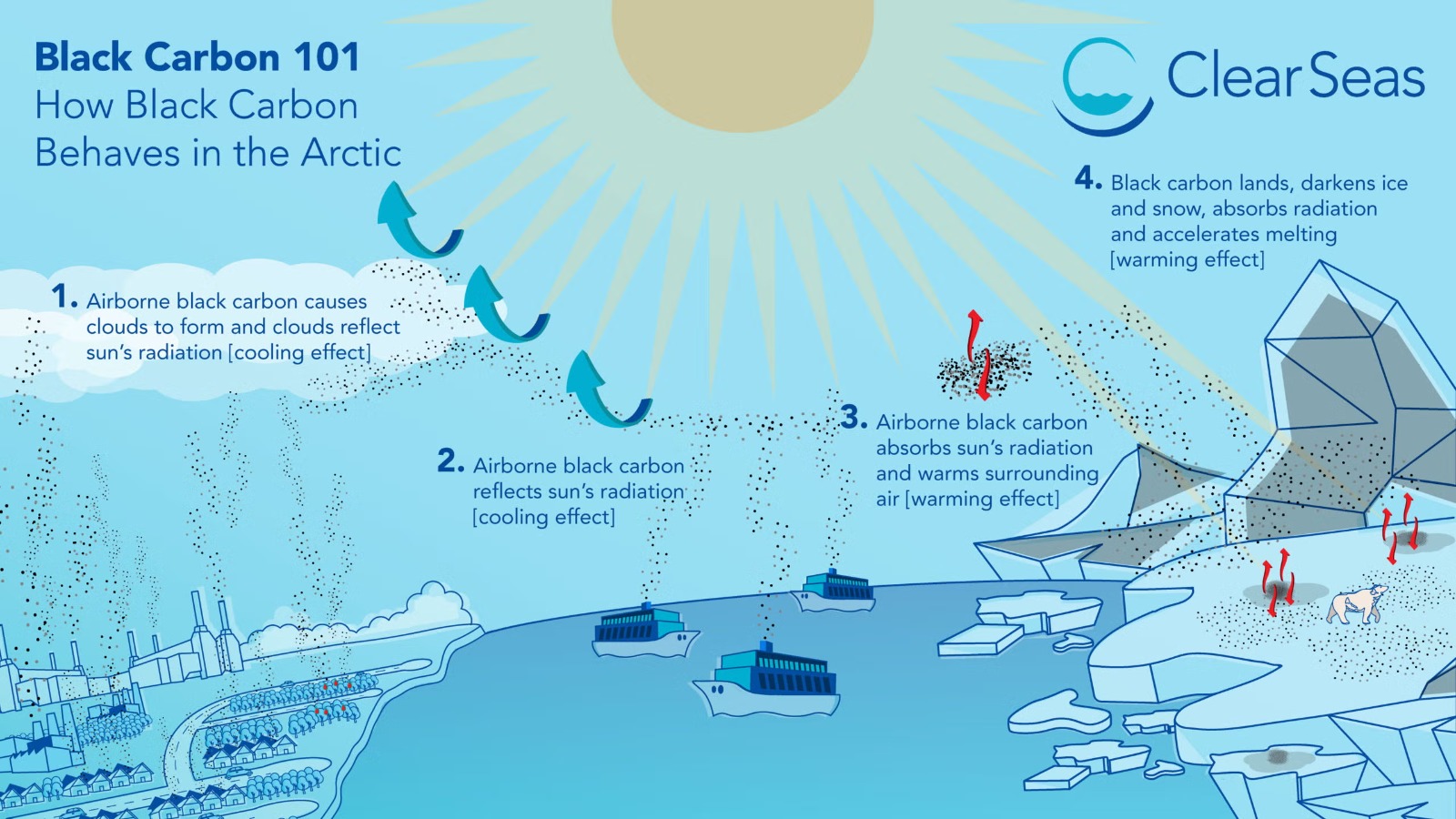
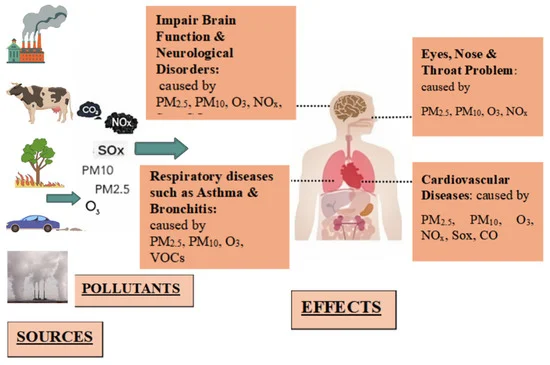
More people mean heavier pressure on nature. Pollution climbs when daily activities multiply, fouling skies, rivers, and earth alike. As cities grow outward, forests and meadows vanish quietly beneath concrete. Rising emissions trail behind population growth - cars, factories, power plants add up fast. Each breath taken ties back to how crowded our world has become.
When cities grow too tight with people, tossing out trash turns into a real headache. Piles of garbage push past bin limits, while plastic slips through rivers toward seas. Poisons from junk seep into nature’s balance, messing up living systems nearby. Changes in Earth's rhythms show up far beyond dump sites - seasons act strange, critters vanish, breathing gets harder for folks.
Social and Economic Effects
When too many people live in one place, problems go beyond just harming nature. Because numbers rise fast, things like roads and clinics cannot keep up. Crowded towns see fewer jobs, less space to live, and fewer doctors. Many move to cities hoping for better lives - only to find those chances missing. Homes built on edges grow wider each year.
When things get tight, the gap between rich and poor often grows. Fewer chances to work or survive hit hardest on those already struggling. In crowded areas, leaders find it tough to deliver even water or schools. Tension builds when needs go unmet, sparking protests or conflict.
Effects on health and well-being
When too many people live in one area, health services often struggle. Medical centers can get so full that patients receive less attention. Places where folks are packed close together help germs move faster from person to person. If there is not enough food for everyone, more individuals end up without proper nutrition.
Crowded places take a quiet toll on how people feel inside. Pressure builds when rooms shrink and nerves stay tight day after day. What looks like too many bodies in one area turns out to be about strained hearts and tired minds. Life packed too close changes more than routines - it shifts how folks see themselves.
Global Inequality and Migration
More people mean more movement. As supplies run low in one place, folks head elsewhere for a steadier life. Neighboring areas may feel the weight - jobs tighter, homes harder to find, support systems stretched thin. Rising numbers make climate-driven moves happen more often than before.
Surprisingly, too many people aren’t spread out equally around the world. In some places, numbers are shrinking; elsewhere, they’re shooting up fast. Because of this uneven pattern, sharing Earth’s supplies without waste or unfairness becomes far more tangled.
Possible Solutions and Strategies
What helps slow population growth? Time and teamwork matter more than sudden changes. Learning plays a big role. People - especially women - who go to school usually choose smaller families without pressure. Knowledge shifts choices. Health and planning become priorities when schooling opens doors.
When folks can reach family planning help, it makes a difference. Getting birth control without high costs helps individuals shape life choices with care. Better economic conditions tend to go hand in hand with fewer children per household.
Governments and Policy Roles
When it comes to handling too many people in one area, leaders need to step in with smart rules. Instead of just reacting, they might back schools, clinics, and jobs - things that slow rapid growth. People start seeing the effects on their own lives when information spreads clearly through neighborhoods. What happens down the road depends partly on choices made today.
When one nation struggles, others feel it too. Because crowded conditions reshape weather patterns, hunger levels, and movement across borders, joint efforts become unavoidable. Sharing tools, ideas, and supplies across borders makes responses stronger. Pressure builds faster when everyone acts alone.
A Balanced Path Forward
Fueled by rising numbers, new ideas have flourished along with diverse traditions - yet too many people could erode those very benefits unless balanced carefully. Human ambition isn’t the target; the balance between expansion and Earth's limits is. Living within means today keeps tomorrows livable.
Conclusion
Looking back, too many people on Earth ties into deep societal, financial, and ecological roots. Pressure builds as supplies run low, nature suffers, sickness spreads, and fairness fades. Solutions grow where knowledge spreads, leaders choose wisely, and nations link arms. With care and early moves, life ahead could find steadier ground - fairer, tougher, lasting longer.