The Global Crisis of Water Pollution: Threats and Solutions
Water is something most of us don't think much about. We turn on the tap, fill a glass, and keep going. But around the world, water pollution has become a major environmental issue. It harms nature, makes people sick, and puts a big financial strain on communities. Whether it's rivers, lakes, oceans, or underground water, polluted water affects nearly everything we do. Learning how this problem starts and what we can do about it is the first step toward protecting a resource we all rely on.
At its heart, water pollution happens when harmful stuff gets into water and changes its natural balance.
These harmful things can be chemicals, waste, plastics, or germs. Some pollution is easy to see, while other kinds are harder to notice but are still dangerous. Scientists usually divide the causes of water pollution into two types: point sources and nonpoint sources.
Point sources come from a single place, like a factory pipe or a sewage pipe.
These are usually easier to track and control. Nonpoint sources are trickier because they come from many places at once.
Nonpoint source pollution often starts with rain.
When it rains, water flows over roads, farms, and neighborhoods instead of soaking in. As it moves, it picks up oil from streets, chemicals from lawns, pet waste, and other harmful stuff. This dirty water eventually flows into rivers and lakes. No one person or business is to blame for this type of pollution, which is why fixing it takes effort from whole communities, not just industries.
In farming areas, water pollution becomes very noticeable.
Farmers use fertilizers to help crops grow, but rain can wash these chemicals into nearby streams and lakes. Fertilizers have nitrogen and phosphorus, which seem harmless but can cause serious problems in water. When too many of these nutrients get into a lake or river, algae can grow too quickly, covering the surface. These green patches block sunlight and, when they die, use up the oxygen in the water.
This process creates another type of water pollution called dead zones.
Fish and other living things can’t survive without oxygen, so they either leave or die. One of the biggest dead zones in the world forms every year in the Gulf of Mexico, mostly because of fertilizer runoff. Similar problems happen in lakes and rivers across North America, Europe, and Asia. Cleanup costs billions each year, showing how connected environmental health is to economic health.
Industry also plays a big role in water pollution.
Factories release harmful substances like mercury and lead, along with long-lasting chemicals such as PCBs and DDT. These substances don’t break down easily and build up in fish and wildlife over time. People who eat these contaminated fish can face serious health problems. A newer issue is PFAS, sometimes called "forever chemicals," which have been found in drinking water all over the world.
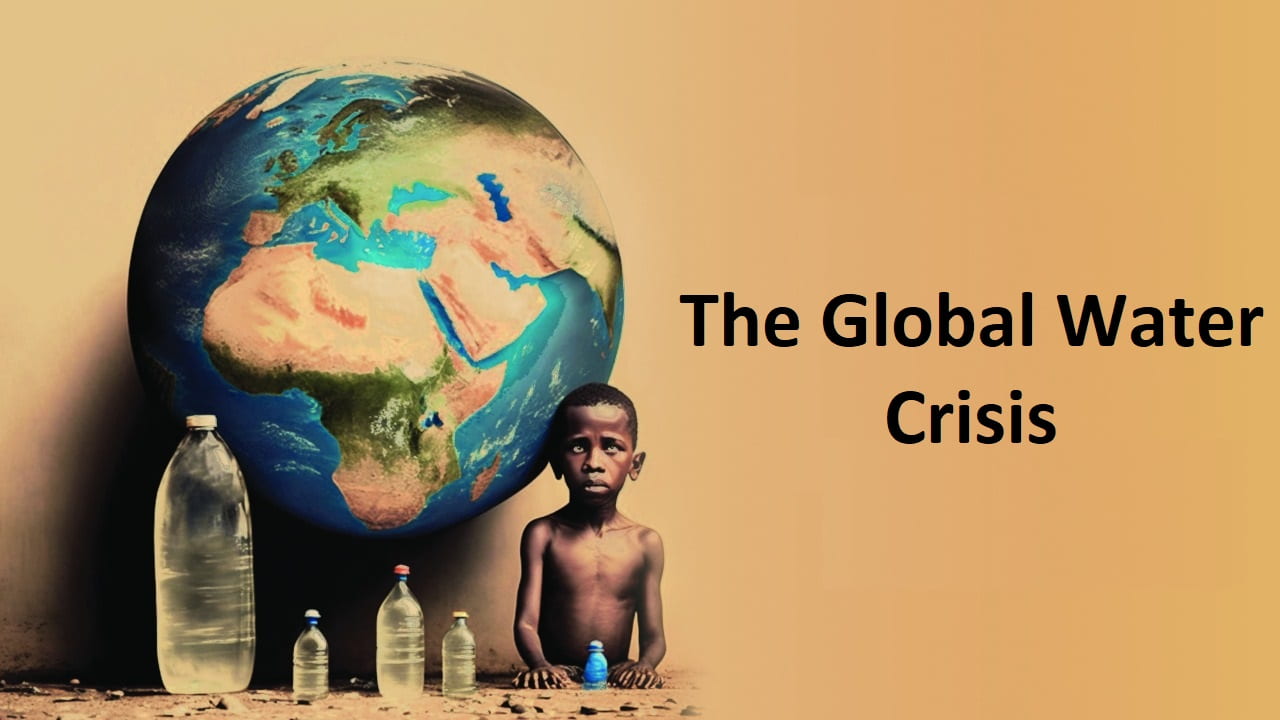
In many developing countries, water pollution is not just an environmental problem, but a daily health crisis.
Around 80% of wastewater worldwide is released into the environment without proper treatment. This untreated sewage brings bacteria and viruses into rivers, wells, and taps. As a result, diseases like cholera, typhoid, and dysentery spread easily. Water pollution like this kills millions every year, and children are often the most affected. For about a billion people, unsafe water is part of life.
Even places that seem clean are not safe from water pollution.
Pollutants released into the air from cars, factories, and power plants can travel long distances before falling back to Earth as acid rain. This acidic rain harms lakes and releases toxic metals from soil into water. At sea, plastic waste creates another layer of pollution. Large pieces break down into microplastics that float through oceans and are eaten by marine animals. This spreads pollution through the food chain.
Solving water pollution is not easy, but it is possible.
One of the best ways is to prevent it from happening in the first place. Industries can recycle water, reduce waste, and use safer chemicals. Strong laws and proper enforcement are key to stopping pollution before it starts. Upgrading treatment plants with better technology can also help remove small pollutants before they reach rivers and lakes.
Farmers can help reduce water pollution by using fertilizers more carefully and only when crops really need them.
Better soil management can reduce runoff during heavy rain. Cities can update sewage systems to make sure wastewater is treated properly. These steps may seem small, but collectively, they make a big difference.
Individuals can also help reduce water pollution.
Using less water at home lowers the amount of wastewater that needs to be treated. Throwing away cleaning products and medications properly prevents chemicals from getting into drains. Supporting environmental policies helps ensure long-term solutions to water pollution are in place.
In the end, water pollution is a problem created by human choices, and it can be solved by changing those choices.
Clean water supports life, health, and economies. The future of rivers, lakes, and oceans depends on how we care for them today. By understanding the issue and working together, we can protect water for ourselves and for future generations.