The Beat of the Blue Planet: Understanding Ocean Health
The health of our oceans gives us a clear idea of how well our planet is doing overall.
Ocean health isn't just about having clean water—it's about the diverse life that lives in the sea, how we fish sustainably, and the oceans' part in managing the climate and feeding billions of people. Research shows a mixed story: in some areas, ocean health is getting better, but in others, it's getting worse. To understand what's happening, we need to take a closer look because our future is closely linked to the future of the oceans.
Right now, troubling trends are clear.
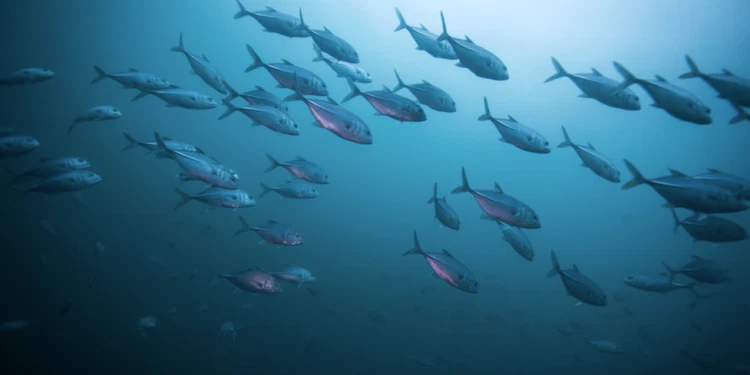
Oceans are warming faster than ever, taking in more than 90% of the extra heat created by human activities. At the same time, industries release a lot of carbon dioxide, and about a third of that gas ends up in the ocean, changing its chemistry. These changes mess up long-standing patterns of ocean currents and water quality. Coral reefs, which used to be full of life and color, now face bleaching almost every year. Fish, plankton, and other ocean creatures are moving to cooler areas, which breaks the balance in ecosystems that have existed for centuries. Ocean acidification, which happens because of extra carbon dioxide, makes it harder for creatures like corals, oysters, and plankton to build their shells and skeletons. These changes threaten the very base of marine life, affecting ocean health around the world.
Pollution is another big problem that is harming ocean health.
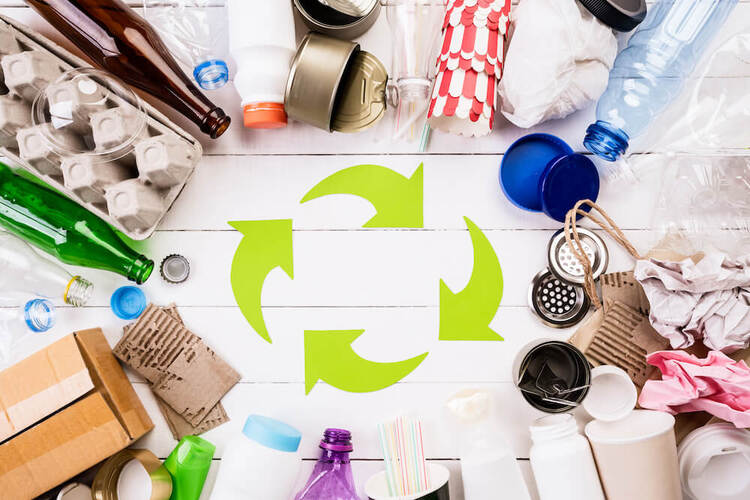
Every year, tons of plastic waste end up in the ocean, breaking down into tiny microplastics that even reach the most remote places, like polar ice and deep ocean trenches. Runoff from farms, full of nitrogen and phosphorus, creates "dead zones" in coastal areas where oxygen levels drop and marine life struggles to survive. Underwater noise from ships and machines is another stressor, while chemicals and medicines slowly build up in areas where water moves slowly. All these pressures together make ocean health a fragile and urgent issue.
But there's also hope.
More people are becoming aware of how important ocean health is, and new solutions are coming up. People are beginning to see the ocean not as something endless and untouched, but as a delicate, connected, and essential part of our world. This change is influencing global policies. One important step is the BBNJ Agreement, approved under UN rules, which focuses on protecting life in the open ocean. The "30x30" campaign is another big effort, aiming to protect 30% of the world's oceans by 2030. In places where there's strong protection, marine reserves do well, ecosystems recover, and nearby fisheries often become more productive. These successes show how good management can improve ocean health while also helping human communities.
Technology is also helping to monitor and protect the ocean more effectively.
Satellites and unmanned vessels can track dangers like oil spills or coral bleaching almost in real-time. This allows quicker action and smarter ways to protect the ocean. Working with nature instead of against it is becoming more popular. Restoring underwater grasslands, mangroves, and salt marshes has many benefits: they take in more carbon than land forests, help protect coasts from storms, and provide safe homes for young fish. These natural solutions are key to improving ocean health and supporting marine ecosystems.
Ocean health is also increasingly linked to fighting climate change.
Protecting coastal wetlands, supporting sustainable fisheries, and developing clean, marine-based energy are becoming central to national climate plans. Experts agree that healthy oceans help fight climate change by absorbing carbon and regulating weather. Economically, investing in ocean health has clear benefits: healthy oceans support fisheries, tourism, and coastal communities, driving prosperity while keeping ecological balance.
The current state of ocean health is fragile.
Rising temperatures, pollution, and trash are putting stress on marine ecosystems. At the same time, efforts like expanding protected areas, stronger monitoring, and international cooperation show a positive path forward. The future of ocean health depends on the choices we make—whether we allow things to get worse or actively work to restore them. This isn't just a crisis; it's also an opportunity for lasting change.
Indicators show the damage that has been done, but they also show ways to recover.
Protecting ecosystems, restoring habitats, and managing resources wisely can reverse negative trends and improve ocean health over time. By being proactive in how we take care of the ocean, we can give it a chance to recover, helping marine life thrive again while supporting the people who depend on it.
Ultimately, improving ocean health requires action at every level—whether it's local communities cleaning beaches or international agreements that protect open waters.
The goal is clear: a balanced, thriving ocean that continues to support life on Earth. By making ocean health a priority today, we can help create a better, more sustainable future for future generations.
In short, ocean health is a challenge and an opportunity. With greater awareness, new ideas, and global cooperation, we can change the direction. Protecting the oceans means protecting life itself—and by working together, we can restore the beat of our blue planet.