Wildlife Conservation: Protecting Biodiversity and Natural Ecosystems
Introduction
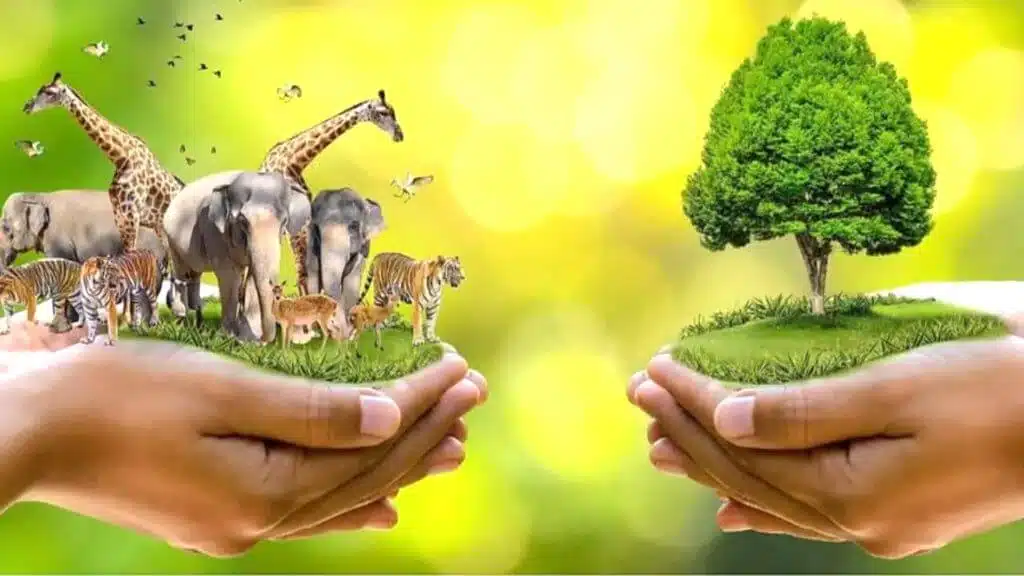
Wildlife conservation means protecting animals and the places they live. As forests shrink, cities spread, pollution grows, and weather patterns shift, creatures face growing threats. Because of these changes, wildlife conservation has become more urgent around the world. Keeping animals safe through wildlife conservation also helps keep nature stable. Every creature plays a role, and wildlife conservation focuses on protecting those roles. Losing just one species can unravel connections that hold entire environments together.
Importance of Wildlife Conservation
Life keeps going because animals and plants do their part, which is why wildlife conservation matters deeply. When people support wildlife conservation, nature stays strong enough to support human life as well. Different species working together make it possible to grow food safely. Clean water flows more easily where forests and wetlands thrive, showing the long-term benefits of wildlife conservation. Seasons stay steadier when habitats are left intact. Fewer animals often mean bigger problems during storms or droughts, making wildlife conservation essential for environmental balance.
Economic and Cultural Value of Wildlife Conservation
Traditions live longer in places where native species still roam due to strong wildlife conservation practices. Money flows into towns when visitors come looking for rare birds or mammals protected through wildlife conservation. Some families earn a living by guiding others through natural spaces. Losing one kind of animal can break chains we did not even notice existed. Wildlife conservation also protects genetic variety, which is vital for animals to adjust to new environments and survive over time.
Threats to Wildlife Conservation
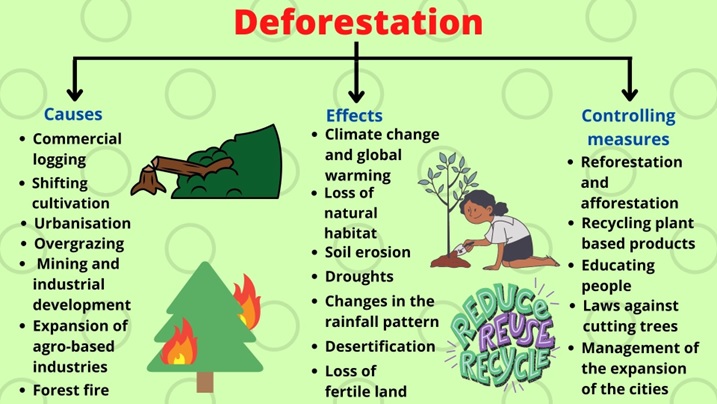
What threatens wildlife conservation most is land clearing. Forests, marshes, and meadows vanish under farms, roads, and cities. Hunting without rules, along with illegal trading, pushes many species closer to extinction and weakens wildlife conservation efforts. Rising temperatures alter habitats, shift migration paths, and disrupt food sources. Waste such as plastics and poisoned water harms animals directly or through hidden chains. Each factor adds pressure, proving why wildlife conservation cannot be delayed.
Impact of Species Loss on Ecosystems
What happens when wildlife conservation fails and species vanish? Everything shifts. Balance comes from predators controlling prey populations. Plants change how they grow when grazers disappear. Small pollinators move life between blooms, making new plant growth possible. When wildlife conservation breaks down, natural rhythms built over centuries begin to weaken. Protecting animals means protecting the connections that hold ecosystems together.
Ecosystem Stability and Wildlife Conservation
When ecosystems remain strong through wildlife conservation, storms or droughts cause less damage later. Wildlife conservation is directly linked to how resilient nature remains. Healthy ecosystems recover faster and continue supporting surrounding communities during environmental stress.
Role of Protected Areas in Wildlife Conservation
Spaces set aside on purpose—such as parks, refuges, and reserves—are vital tools of wildlife conservation. Inside these areas, animals live and raise young without constant pressure from people. Effective wildlife conservation requires proper care, funding, and oversight of such lands. Simply naming a place protected does nothing unless wildlife conservation rules are enforced consistently.
Community Participation in Wildlife Conservation
People living near protected areas shape the success of wildlife conservation. Their daily choices affect animals just as much as official policies. When communities take part in wildlife conservation, outcomes tend to last longer. Working together allows people to earn livelihoods while protecting ecosystems, making wildlife conservation practical as well as ethical.
Wildlife Conservation and Climate Change
Climate change presents new challenges for wildlife conservation. As temperatures rise and rainfall patterns shift, animals struggle to adapt. Wildlife conservation plans now include planting native trees and reopening natural movement routes. These corridors allow animals to survive heat waves and floods. Long-term wildlife conservation depends on adapting strategies to changing climates.
Legal Frameworks Supporting Wildlife Conservation
Laws and international agreements play a key role in wildlife conservation. Treaties such as the Convention on Biological Diversity and CITES aim to control wildlife trade and protect endangered species. Governments strengthen wildlife conservation by fighting illegal hunting, habitat destruction, and black-market trade. Strong enforcement and public cooperation determine real success.
Technology Advancing Wildlife Conservation
New tools have transformed wildlife conservation. Satellites track animal movement, camera traps monitor forests, and drones reveal illegal activities. Data analysis helps experts predict risks early, making wildlife conservation more effective and responsive to sudden threats.
Education and Awareness in Wildlife Conservation
Education strengthens wildlife conservation by changing how people think and act. Schools, media, and documentaries explain why wildlife conservation matters. As awareness grows, people begin making choices that reduce harm and support protection efforts. Learning about ecosystems builds responsibility that feels natural rather than forced.
Challenges Facing Wildlife Conservation
Despite progress, wildlife conservation faces obstacles. Limited funding, weak enforcement, and political instability slow efforts. Human-wildlife conflict arises where animals and people compete for land or water. Solving these problems requires coordination, leadership, and long-term commitment to wildlife conservation goals.
Conclusion
Wildlife conservation is not optional; it keeps nature balanced. Growing human pressure means wildlife conservation must happen faster and more effectively. Habitats must stay intact, local voices included, laws enforced, and modern tools applied wisely. Wildlife conservation protects more than animals—it preserves the web of life humanity depends on. The future depends on the choices made today.