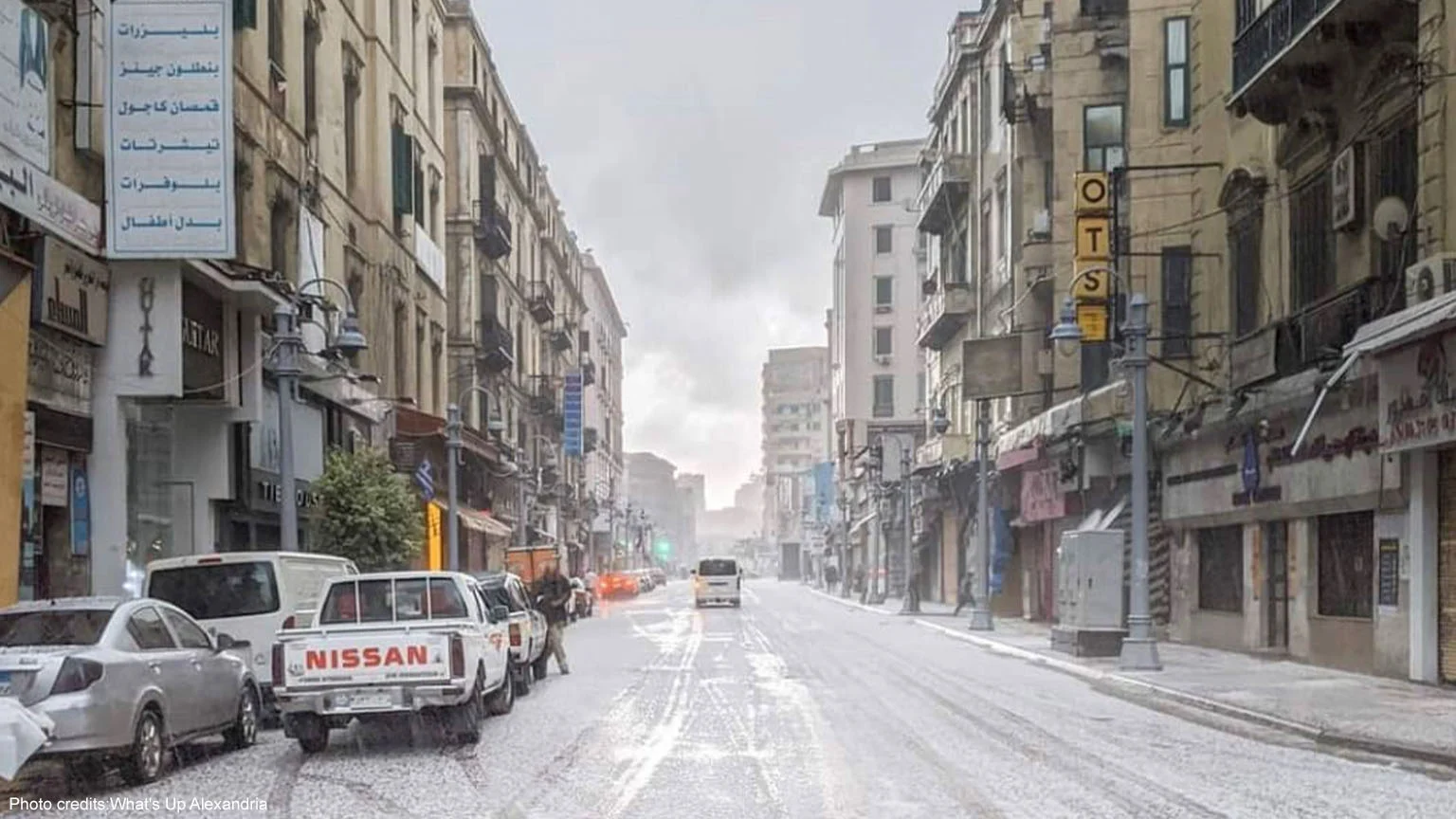
The sky has been unusually hazy lately, a telltale sign of expanding cities. The already heavy air makes it tough to breathe on crowded streets. As the sun fades, fog rolls in, softening the light and blurring outlines. Places that once had vivid colors now seem dulled by invisible particles in the air. What started in certain industrial areas is now everywhere, affecting buildings and neighborhoods. It’s become a constant, almost as if we’ve gotten used to it. The problem of bad air quality goes beyond a gloomy atmosphere; it affects daily life, overwhelms hospitals, and changes how people get around. Work becomes less efficient when the air is bad, and it's harder to be productive when you can't breathe easily.
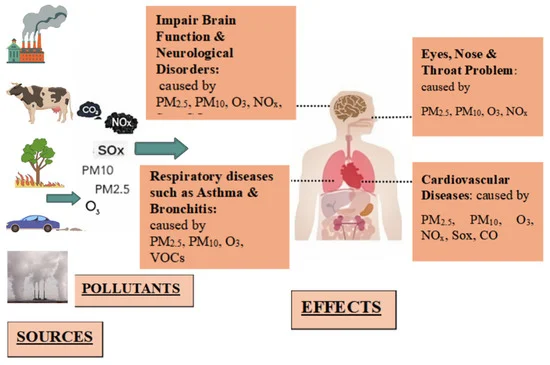
Smog, made up of tiny particles mixed with poisonous pollutants and ground-level ozone, mainly comes from cars, but industry plays a big role, along with power plants and older machinery that burns fuel. When there’s no wind, warm air traps cooler air below, creating a still environment that traps moisture and pollution. The growth of cities and more traffic make the air worse.
Smog really affects the body. Long-term exposure can cause eye irritation, sore throats, and chest tightness. Kids, the elderly, and those with asthma or heart problems are especially vulnerable. These tiny particles bypass our natural defenses, building up in the lungs and getting into the bloodstream. This can lead to breathing problems, heart issues, strokes, and a shorter life. Air pollution causes more hospital visits, which puts a strain on healthcare systems.
The bad effects of poor air quality go beyond health, affecting everyday life. When the haze is thick, travel gets disrupted, and things move slower. Schools are quiet, and outdoor areas are covered in a gray blanket. People who work outside are exposed to polluted air. Illness spreads in homes and offices, making people less productive. Air pollution also has economic consequences, hurting cities, countries, and daily life.
Farming areas are also hit hard by heavy smog, as sunlight decreases and crops suffer. Growth slows down, and harvests are smaller without enough sunlight. Pollutants damage plants, making them weak and increasing insect problems. Forests, fields, and streams are all affected by pollutants in the wind. Toxins seep into the soil and pollute water, disrupting ecosystems.
In some places, smog happens in a predictable pattern. Cold weather encourages people to use fires for warmth. After harvesting, they burn fields, which adds to the air pollution. Still air keeps the pollution close to the ground, covering towns with haze. Authorities give warnings and suggest temporary solutions. Roads close for a while, and then things go back to normal. But when the clouds clear, the original problems are still there.
Smog is also linked to climate change, as warmer temperatures make air quality worse. Pollutants contribute to global warming. Heat creates toxic fumes, and droughts make pollution last longer. The buildup of pollution is a continuous cycle.
Fixing the smog problem needs a comprehensive plan. We need stricter rules on emissions from cars and industry, as well as a move toward cleaner fuels. Better public transportation, like improved buses and trains, would reduce the number of cars on the road. We should consider alternative energy sources like wind, solar, and hydropower. City planning should include green spaces and well-designed streets.
Raising awareness about smog is just as important as taking action. Carpooling and using public transportation are helpful. Turning off lights that aren’t being used saves energy. If people understand the health risks, they can support cleaner policies, and then citizens can push for change. Schools and media can help raise awareness too. Individual actions are also important.
Some positive changes are happening. We now have real-time air quality monitoring that provides information. Cleaner factories and electric vehicles are becoming more common.