The global food system is at a crucial juncture. As the population continues to grow, environmental changes occur, and natural ecosystems face degradation, society is re-evaluating food production and consumption practices. One innovative concept attracting interest is cultivated meat, a scientific advancement that seeks to alter the way protein is incorporated into our diets. Although it may seem unusual or futuristic to some, cultivated meat is rapidly advancing beyond the research phase and becoming accessible in the marketplace. This shift is igniting discussions about its implications for ecological health, human well-being, equity, and daily eating habits.
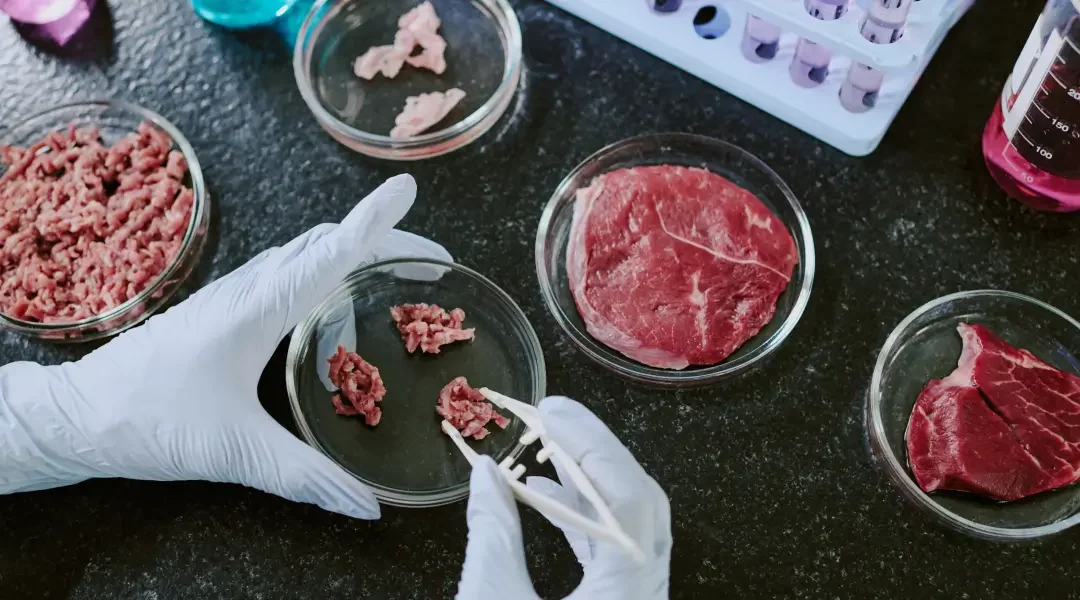
Cultivated meat is produced by growing animal cells in sterile conditions, eliminating the need to raise animals purely for their flesh. Initially, a small sample of animal cells is extracted and nurtured with nutrient-rich substances that promote growth, eventually forming something akin to muscle tissue. Over time, this tissue develops the flavor, texture, and nutritional value resembling traditional meat. The goal of cultivated meat is to produce genuine meat without the extensive resource use associated with conventional livestock farming—addressing the suffering of animals, excessive water consumption, and large areas of land devoted to feed crops.
One compelling reason for the increasing popularity of cultivated meat is its potential to alleviate environmental impact, as it requires significantly fewer resources. Traditional animal farming consumes considerable land, freshwater, and food crops, contributing to deforestation and climate change. Furthermore, livestock production generates substantial methane emissions, a potent greenhouse gas. In contrast, cultivated meat is produced in controlled facilities that use less land and water while generating minimal pollution. As climate-related challenges intensify, cultivated meat is beginning to transition from an experimental idea to a practical solution.
Another critical aspect involves the treatment of animals. Millions of creatures are raised in cramped conditions each year, often deprived of comfort and space. Many individuals are uneasy about industrial animal farming practices, prompting some to adopt vegetarian or vegan diets while others still desire meat without associated cruelty. Cultivated meat represents a middle ground, allowing consumers to enjoy meat without the guilt linked to conventional production methods. This notion resonates with consumers, particularly young adults who prioritize ethical considerations in their food choices and increasingly support cultivated meat research.
Food safety also plays a vital role. Conventional meat products can harbor bacteria like salmonella or E. coli, risks exacerbated by routine antibiotic usage that may contribute to antibiotic resistance. Cultivated meat avoids many of these concerns because it is produced in sterile environments where harmful microorganisms are unlikely to thrive. Beyond basic safety, cultivated meat may also be nutritionally optimized through healthier fats or added vitamins, although long-term studies are still needed.
Despite its promise, cultivated meat faces several challenges. High production costs initially limited its feasibility; early prototypes were extremely expensive. Although technological improvements have reduced costs significantly, achieving large-scale affordability remains a hurdle. Ensuring that cultivated meat can compete economically with traditional meat without sacrificing quality is essential for broader adoption.
Consumer acceptance is another obstacle. Food is deeply tied to culture, tradition, and identity, making cultivated meat unfamiliar or uncomfortable for some people. Concerns about artificiality, taste, and safety persist despite growing scientific evidence. Transparent communication, clear labeling, and regulatory oversight are necessary to build trust in cultivated meat products.
Government policies will strongly influence the future of cultivated meat.While some countries have approved its commercial sale, others are still developing regulatory frameworks. Clear guidelines are needed to ensure safety, fairness, and accurate consumer information. Policymakers must also consider the impact on traditional farmers, ensuring just transitions through training and alternative employment opportunities.
Economically, cultivated meat has the potential to reshape the global food industry. New sectors focused on cell cultivation, bioreactors, and food engineering may create diverse job opportunities. For regions facing food insecurity or climate-driven agricultural decline, cultivated meat could offer a stable protein source. However, cultural and religious considerations, including halal and kosher compliance, continue to shape public debates, showing that food choices extend beyond science alone.
Researchers are continuously refining cultivated meat to improve taste, texture, and variety. The aim is not merely to replicate ground meat products but to develop complex cuts such as steaks and whole muscle portions. Still, cultivated meat is unlikely to fully replace conventional meat in the near future. Instead, it will function as one component of a broader shift toward sustainable protein sources, including plant-based foods and improved farming practices.
Ultimately, cultivated meat represents a bold response to environmental degradation, ethical concerns, and fragile food systems. While technological limitations, cost barriers, and skepticism remain, progress suggests lasting potential. The success of cultivated meat will depend not only on innovation but also on trust, regulation, and society’s willingness to rethink its relationship with food and animals.