Food Preservation: Methods, Benefits, and Modern Techniques
Food has always been a big part of human life. From ancient times to today, people have looked for ways to keep food fresh, safe, and available for longer. This need led to food preservation, a practice that has influenced how we eat, store, and care about our meals. More than just making things easier, food preservation helps cut down on waste, makes food safer, and supports food security globally.
At its basic level, food preservation is about slowing down or stopping food from going bad.
Food spoils for two main reasons. The first is when microorganisms like bacteria, molds, and yeasts grow on it. These tiny organisms eat the food and multiply quickly, causing bad smells, strange textures, and even serious illnesses. The second reason is when natural chemical changes happen, like oxidation and enzyme activity, which can lead to browning, loss of nutrients, and changes in taste. The aim of food preservation is to control these processes before they damage the food.
One of the oldest and most dependable methods of food preservation is drying.
Drying works by taking away moisture, which microorganisms need to live and grow. Before refrigerators were around, people dried fruits, vegetables, herbs, and meats using the sun and wind. Even now, dried foods like raisins, dates, jerky, and spices are still popular because they last longer and are easy to keep. This traditional method shows how food preservation doesn’t always need modern technology to work well.
A modern version of drying is freeze-drying, which is used a lot for instant foods and emergency supplies.
In this process, food is frozen and then placed in a vacuum so the ice turns directly into vapor. This method keeps the texture, taste, and nutrients of food better than many other techniques. Freeze-drying shows how food preservation has evolved while still using the same basic ideas that our ancestors used.
Controlling temperature is another key part of food preservation.
Refrigeration slows down the growth of bacteria and chemical reactions, keeping food fresh for several days or weeks. Most refrigerators are kept between 0°C and 7°C to keep food at its best. Freezing goes even further by stopping microbial activity almost completely. Freezing doesn’t kill microorganisms, but it puts them into a dormant state until the food is thawed. This makes freezing one of the most effective ways to preserve food at home.
Chemical changes can also cause food to spoil, which is why food preservation often focuses on stopping enzyme activity.
When fruits like apples or potatoes are cut, enzymes react with oxygen and cause browning. Blanching is a common way to solve this. By briefly heating vegetables, the enzymes are stopped before freezing or canning. This simple step helps keep color, taste, and nutrients, making blanching important in food preservation.
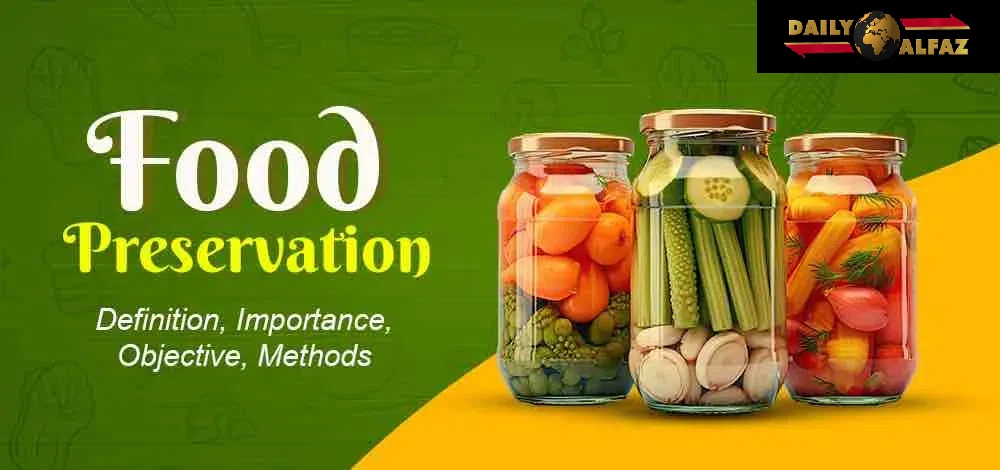
Pickling is another method that uses acid to stop spoilage.
Vinegar, lemon juice, or brine lowers the pH of food, creating an environment where harmful bacteria can’t survive. Similarly, salt and sugar preserve food by pulling moisture out of microbial cells through osmosis. These methods have been used for centuries and are still trusted forms of food preservation in many cultures.
Fermentation is a unique and tasty way to preserve food.
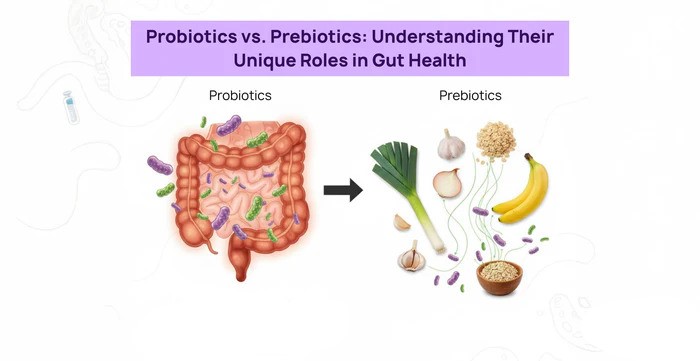
Instead of stopping microorganisms entirely, fermentation encourages the growth of helpful bacteria or yeast. These "good" microorganisms produce acids or alcohol that naturally preserve food. Yogurt, cheese, sauerkraut, kimchi, pickles, and bread are all examples of fermentation. Besides making food last longer, fermentation can aid digestion and boost nutrition, showing how preservation can also improve health.
As science moves forward, food preservation techniques are getting more advanced and efficient.
One such method is food irradiation. This process uses controlled amounts of ionizing radiation to kill insects, parasites, and harmful bacteria like Salmonella and E. coli. Irradiation is commonly used for spices, poultry, and fresh produce and doesn’t make food radioactive. It’s another example of how food preservation helps keep food safe on a large scale.
High Hydrostatic Pressure (HPP) is a newer technology that uses extreme pressure instead of heat to destroy microorganisms.
Because no high temperatures are used, food keeps its fresh taste, color, and nutrients. HPP is especially useful for juices, ready-to-eat meals, and seafood. Cold plasma technology is also becoming a new, energy-efficient way to preserve food. It uses ionized gas at room temperature to clean food surfaces without affecting quality.
Preserving food at home is still very common and meaningful.
Canning, freezing, drying, and pickling allow families to enjoy seasonal foods all year round. However, safety is important. Following tested recipes, using proper temperatures, and sticking to recommended processing times helps prevent dangerous bacteria like Clostridium botulinum. Storing food correctly is also crucial—canned foods should be kept in cool, dark places, while frozen foods need to stay at 0°F. Using a "first in, first out" method helps ensure preserved food is eaten before it loses quality, reinforcing smart preservation habits.
In the end, food preservation connects the knowledge of the past with the innovations of today.
Whether through drying, salting, fermenting, freezing, or modern methods like irradiation and high-pressure processing, the goal stays the same. Food preservation protects our food from spoiling, reduces waste, and ensures safe, healthy meals for everyone. As food needs around the world grow, keeping up with food preservation will remain key to a healthier and more sustainable future.