Genetic Modification and Crop Yields: Boosting Food Production
Feeding a Growing World
Meeting the needs of a growing global population has always been challenging, but today it feels more urgent than ever. Rising population numbers, unpredictable climate changes, and shrinking land and water resources make food production increasingly difficult. Farmers are asked each year to produce more under tougher conditions. In this context, the role of genetic modification in increasing crop yields has gained prominence as a potential solution. Both scientists and policymakers are examining how modern biology can aid agriculture when traditional methods are no longer sufficient.
From Traditional Breeding to Precision Science
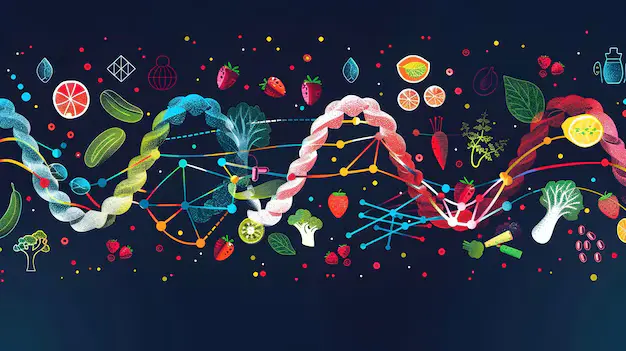
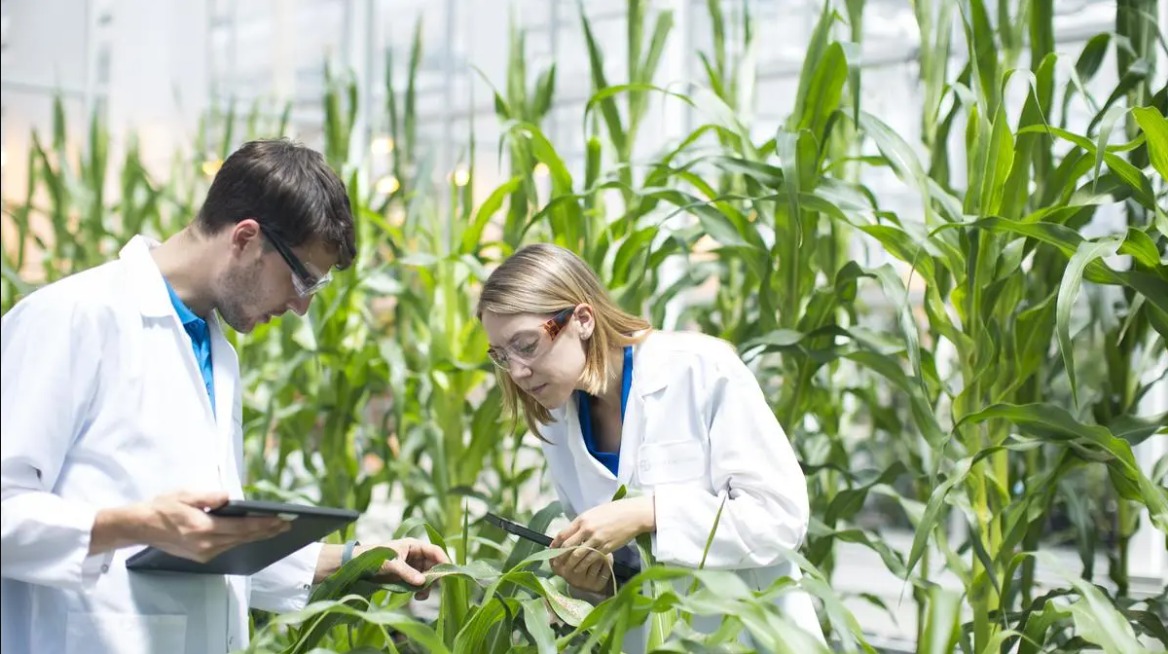
For centuries, farmers used selective breeding—choosing strong plants, saving seeds, and hoping for improved harvests. While sometimes effective, this approach was slow and unpredictable. Now, science provides a faster, more precise method. Modern laboratories can target specific DNA segments, allowing for deliberate introduction of desired traits. This precision connects genetic modification directly to increased crop yields, as changes are intentionally made rather than left to chance.
Instead of combining many traits and waiting years for results, researchers can add a beneficial characteristic and see its effects within months. This efficiency has transformed understanding of genetic modification and crop yields, making it a vital tool in modern agriculture.
Natural Pest Resistance
One clear benefit of genetic modification in improving crop yields is increased pest resistance. Insects have long damaged large portions of crops, especially in areas lacking pesticides. Crops like Bt cotton and Bt corn include a gene from soil bacteria that helps fend off harmful insects.
These naturally protective plants reduce the need for chemical pesticides, leading to healthier crops, less environmental impact, and more stable production. As losses decline, the link between genetic modification and improved crop yields becomes evident across various farming systems.
Enhanced Weed Control
Weeds compete with crops for water, sunlight, and nutrients. Traditionally, controlling weeds involved frequent manual labor or heavy chemical use. Some genetically modified crops tolerate specific herbicides, enabling farmers to remove weeds without harming the main crop.
This targeted approach allows crops to allocate resources toward seed, grain, or fiber production. Consequently, genetic modification and crop yields increase steadily, particularly in large-scale farms where weed pressure is high.
Addressing Climate Challenges
Climate change has made farming less predictable, with droughts, heat waves, and poor soil conditions threatening harvests worldwide. Advances in genetic modification aim to counter these stresses. Scientists develop crops that need less water, tolerate high temperatures, or grow in salty soils.
For example, drought-resistant corn varieties can grow with minimal rainfall. In regions where water is scarce, the link between genetic modification and crop yields could be crucial to preventing food shortages and promoting food security.
Boosting Efficiency and Sustainability
Beyond survival traits, researchers are working on crops that use sunlight and nutrients more efficiently. Some genetically modified plants improve photosynthesis or better utilize soil nitrogen. These improvements enhance crop yields and reduce fertilizer needs.
Fewer chemicals benefit ecosystems and lower farming costs. Over time, this approach supports sustainable agriculture by increasing production without harming the environment. Here, genetic modification plays a key role in balancing productivity and ecological responsibility.
Controversies and Ethical Issues
Despite its promise, genetic modification and crop yields face debate. Critics say that success depends on location, farming methods, and resource availability. Others raise concerns about potential long-term health effects, biodiversity loss, and impacts on wildlife.
There are also worries about corporate control over seeds, as large firms hold patents on many GM varieties. These debates highlight that genetic modification and crop yields are not a complete solution; good farming practices, healthy soils, and fair food distribution are still essential.
Emerging Gene-Editing Technologies
Innovations like CRISPR are refining genetic modification practices. Gene editing makes precise changes within a plant’s own DNA, often without introducing foreign genes. This method is more accurate and may face fewer regulatory and public concerns.
As research progresses, gene editing could help crops adapt quickly to local conditions, strengthening the future of genetic modification and crop yields in global agriculture.
Toward a Balanced Approach
Genetic modification is not a miracle, but it is a valuable tool when combined with traditional farming knowledge, soil care, and responsible policies. Crops resistant to pests, drought-tolerant, and resource-efficient can sustain crop yields on current farmland.
When used ethically and carefully, genetic modification and crop yields can align with nature rather than oppose it. In a world grappling with hunger, climate challenges, and limited resources, this partnership could help ensure millions continue to have food on their plates.