Food Biotechnology: Benefits and Concerns Explained
Not long ago, the idea of changing how our food is grown seemed like something from a science fiction story. But today, those early ideas have become part of our daily lives. The seeds of these changes were planted in research labs many years ago, and now they're shaping what we eat. At the center of this change is food biotechnology, a field that combines biology and technology to help farmers grow more food with fewer resources. As the world's population continues to grow toward ten billion, the need to produce food more efficiently has never been more urgent. Some people are hopeful about this science, while others feel uneasy. Both views are important as we decide how to move forward.
At its core, food biotechnology is about improving the natural processes that help food grow.
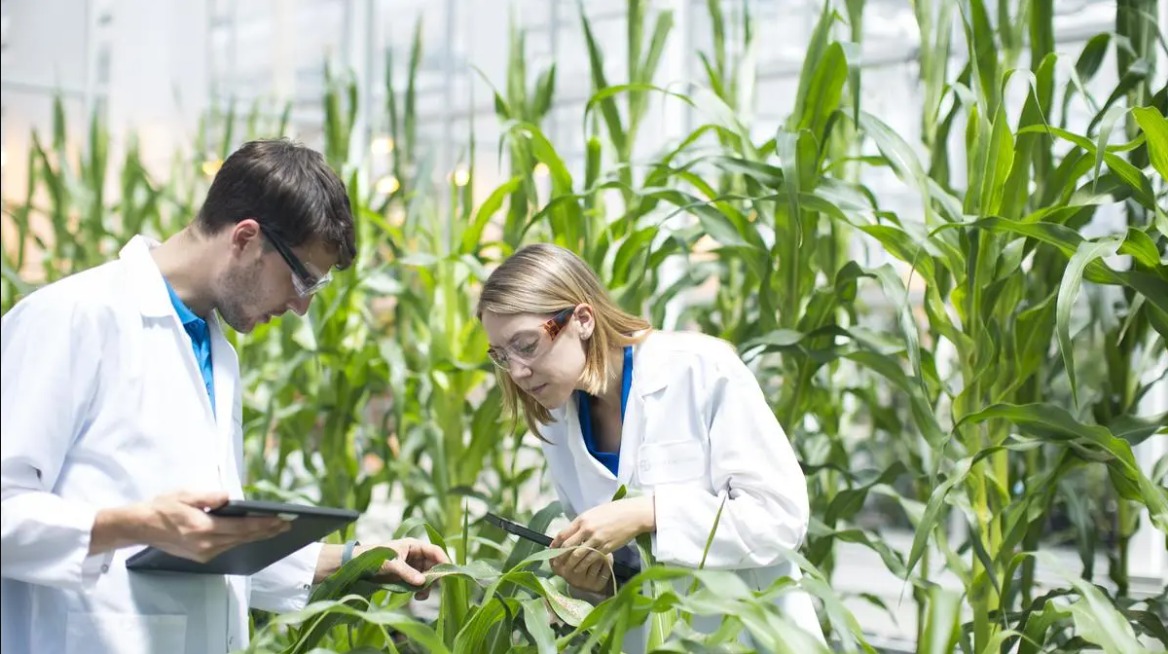
Humans have always changed crops, like saving seeds from the strongest plants or turning cabbage into sauerkraut. The difference now is that changes are more precise. Instead of relying on chance, scientists can make targeted changes to a plant's DNA. This allows farmers to grow crops that last longer, resist pests, or offer more nutrients. These advances are not meant to replace traditional farming but to strengthen it with better tools.
One reason food biotechnology has become so popular is its potential to help stabilize food supplies in a changing climate.
Extreme weather, like heat, droughts, floods, and pests, is threatening crops all over the world. Scientists have created plants that can survive with less water or protect themselves from insects. In parts of Asia, modified eggplants that naturally resist pests have helped farmers reduce crop losses and cut down on chemical sprays. For many farmers, this means more steady income and fewer risks each growing season. In these situations, food biotechnology becomes a form of protection rather than a disruption.
Nutrition is another area where food biotechnology has the potential to make a big difference.
Many communities still struggle with vitamin and mineral deficiencies that lead to serious health issues. By making changes at the genetic level, scientists can increase important nutrients directly in food. Golden Rice, which is designed to produce beta-carotene, is a well-known example meant to fight vitamin A deficiency. There are also efforts to reduce allergens in everyday foods and increase naturally occurring health-supporting compounds. Through these changes, food biotechnology quietly and powerfully improves the food system from the roots up.
Environmental impact is often overlooked in food discussions, but it's central to food biotechnology.
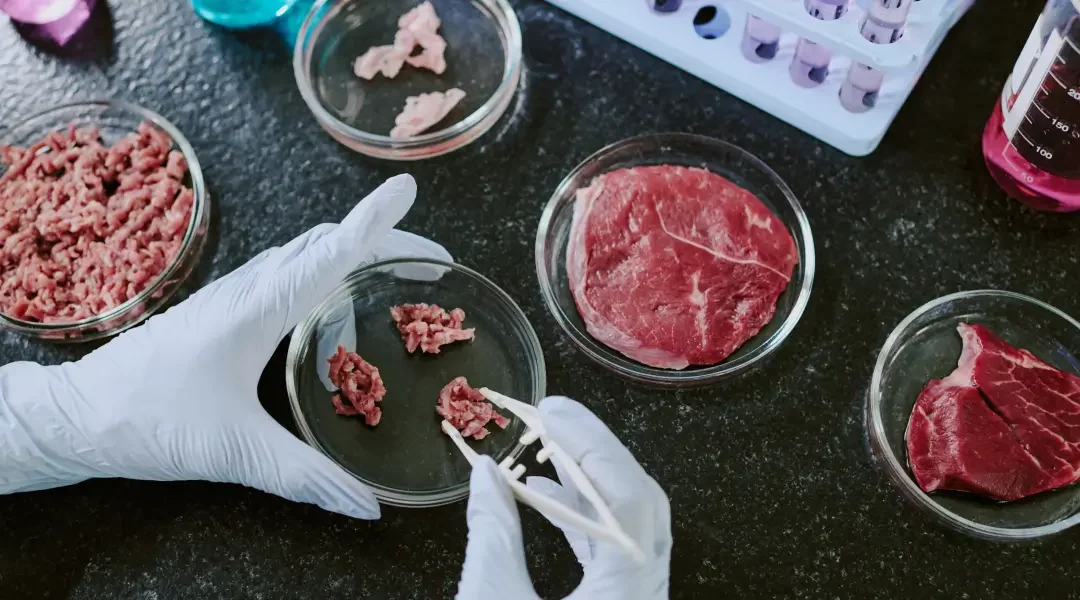
Crops that resist pests naturally reduce the need for chemical pesticides, which helps protect the soil and water. Less chemical runoff means healthier ecosystems and cleaner drinking water. Looking ahead, lab-grown meat and alternative proteins may further cut down on environmental strain. Some studies suggest these methods could significantly reduce greenhouse gas emissions compared to traditional meat farming. When viewed this way, food biotechnology is less about controlling nature and more about reducing the burden we place on it.
Despite these benefits, food biotechnology is still a controversial topic.
Many people are worried about unintended consequences, like new allergens or long-term health effects. Past incidents, like StarLink corn accidentally appearing in the food supply, have made people more cautious—though no illnesses were linked to it. Others are concerned about the environmental effects, asking if modified plants could harm beneficial insects or wildlife. These are valid concerns, and they show the need for careful testing instead of blind trust. Skepticism is not the same as rejection—it's a call for responsibility within food biotechnology.
Public acceptance is one of the biggest challenges for food biotechnology today.
Surveys show that many consumers feel uneasy about genetically modified foods because they seem "unnatural." Often, this fear comes from a lack of understanding. Modern gene-editing methods are far more precise than older techniques that used radiation or chemicals, but few people know this. Transparency is key. When people understand how their food is made and why changes are made, trust grows. Education and open discussions are just as important as scientific advancements in shaping the future of food biotechnology.
Regulation plays an important role in balancing innovation with safety.
In the United States, agencies like the Food and Drug Administration and the United States Department of Agriculture evaluate biotech foods before approval, using scientific evidence to assess risks. Other countries take a stricter approach, sometimes banning certain products completely. Labeling remains a hot topic. Supporters argue that consumers deserve full transparency, while critics worry that labels might scare people away. These discussions shape how food biotechnology reaches dining tables around the world.
In the end, food biotechnology is neither a miracle solution nor a big threat.
It is a tool with the power to improve nutrition, protect the environment, and help farmers adapt to global challenges. Its success depends not only on lab innovations but also on public trust, strong regulations, and open communication. Progress should move carefully, guided by evidence instead of fear or hype. As we look to the future, the direction of food biotechnology will be shaped just as much by farmers and consumers as by scientists. What grows next will depend on the choices we make today.